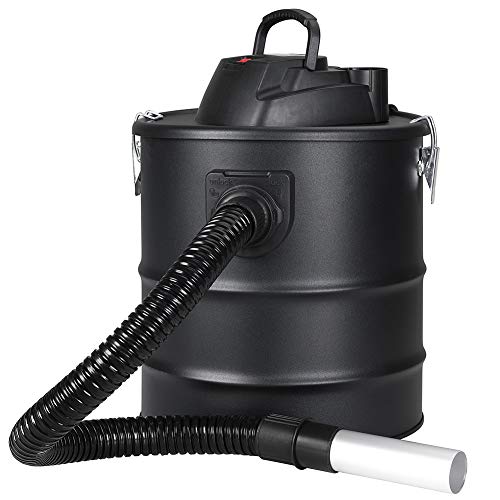
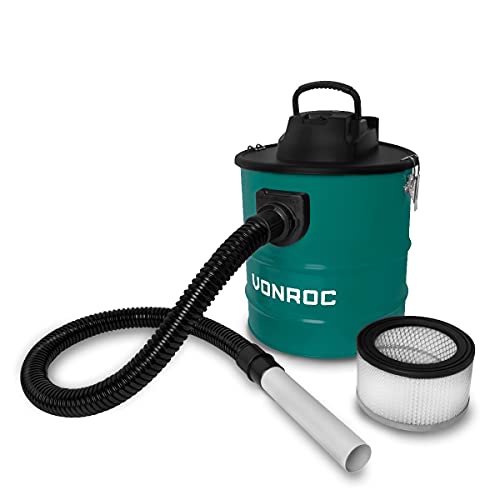
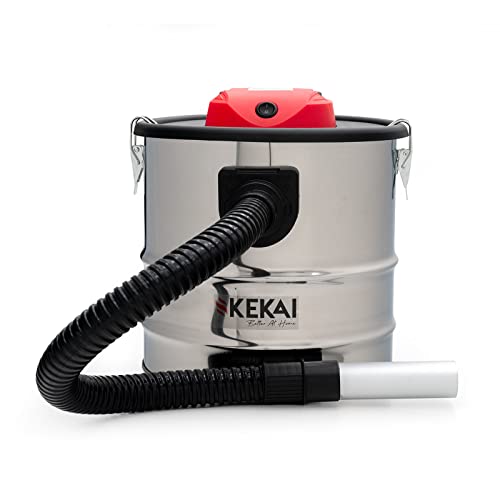
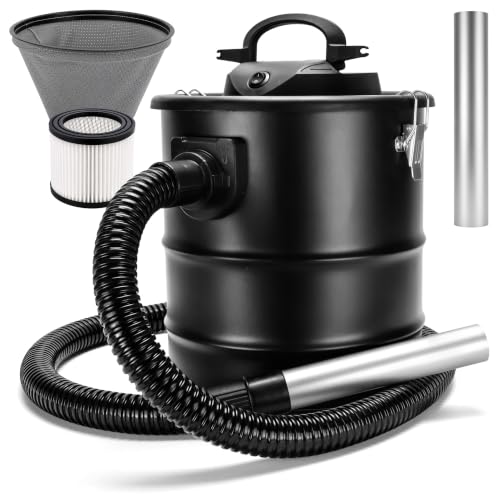
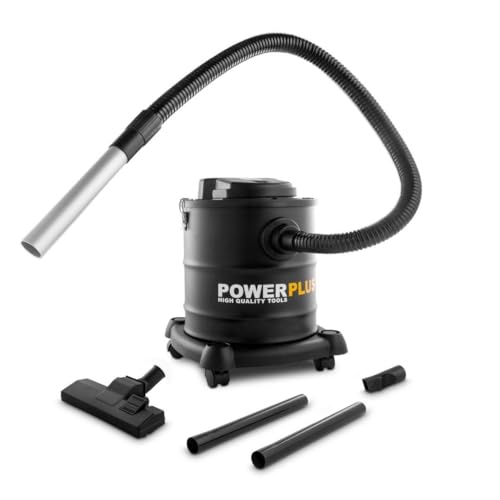
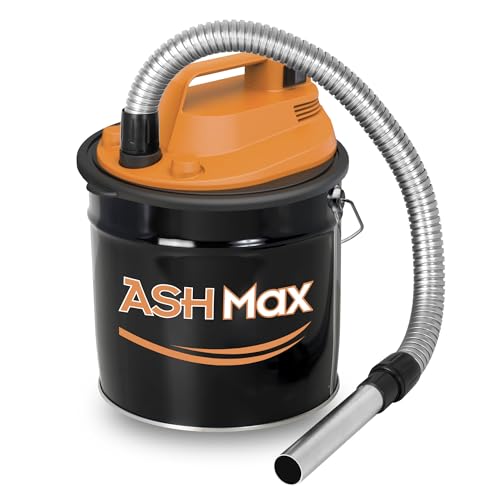
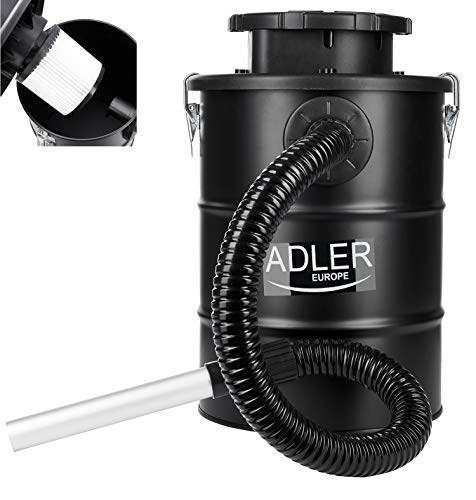
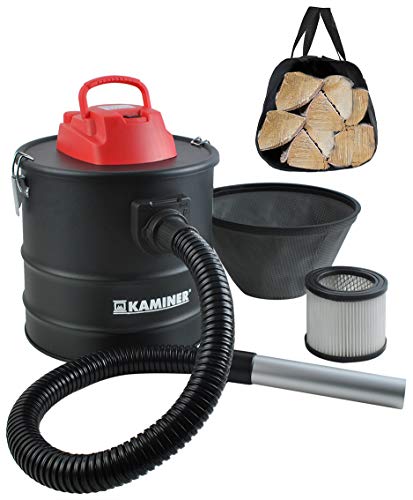
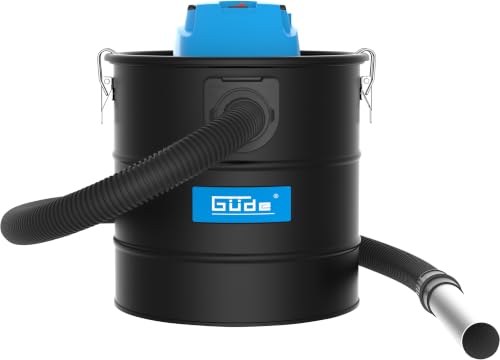
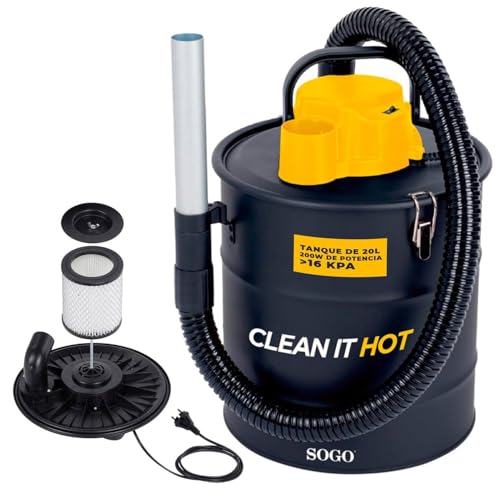
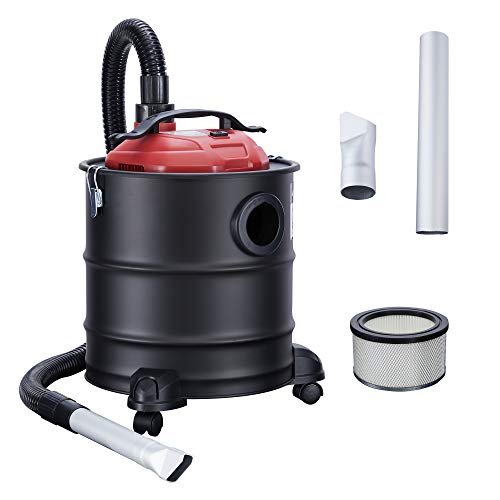
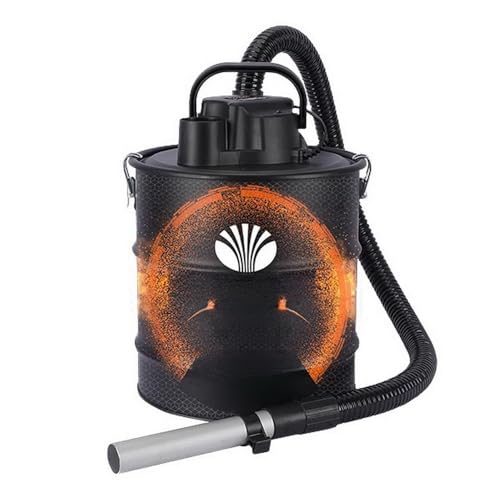
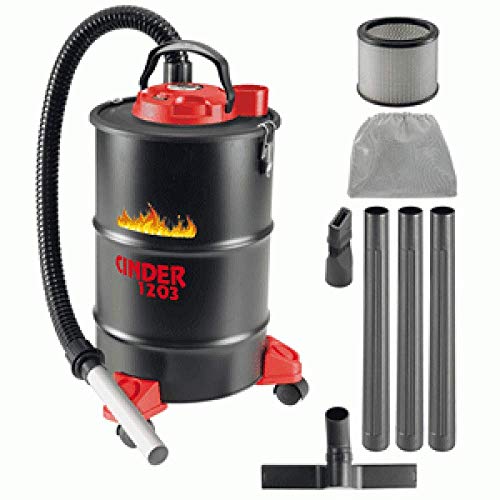
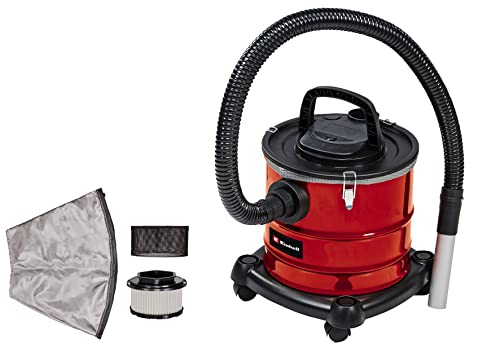
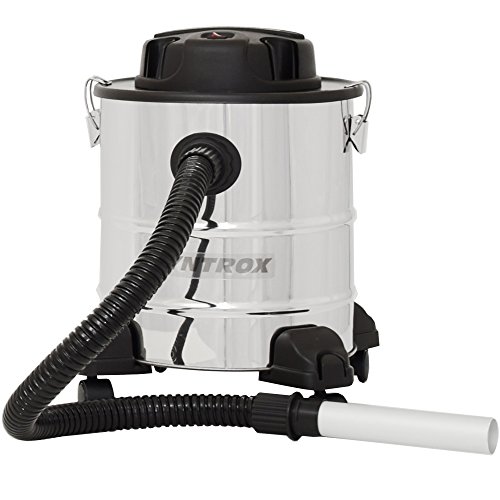
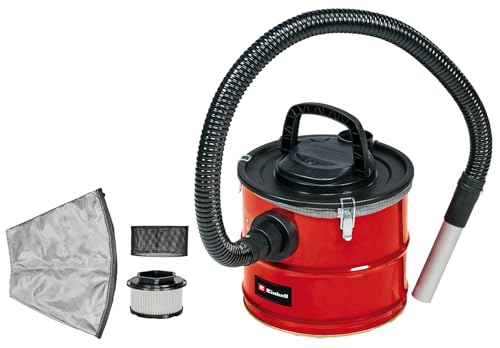
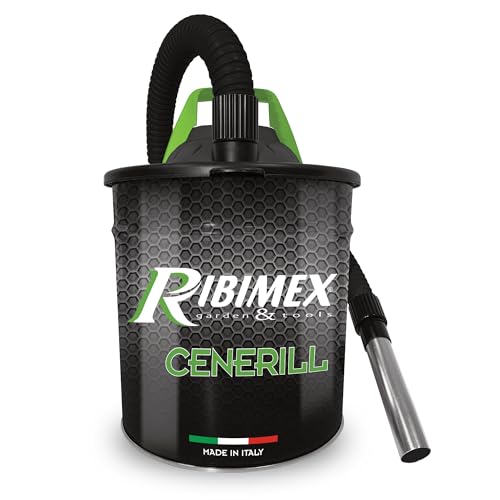
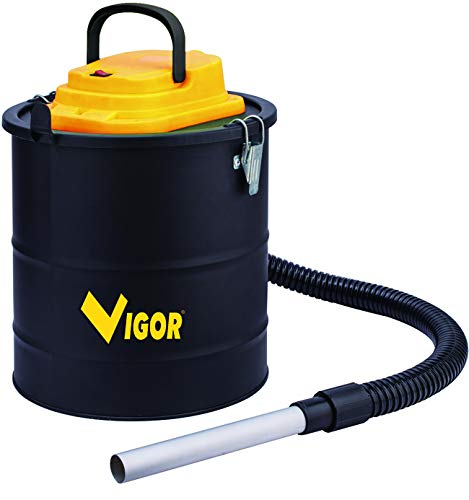
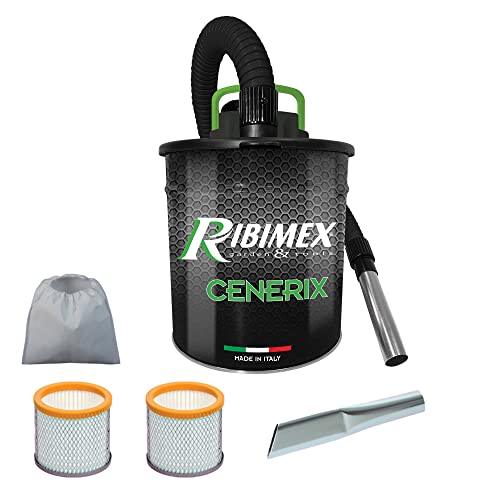
Le caratteristiche che rendono un aspiracenere adatto alle stufe a pellet sono le seguenti:
- Filtrazione della cenere fine: la cenere dei pellet è leggera e polverosa, quindi usa un filtro principale pieghettato per polveri sottili o di classe HEPA con un prefiltro grossolano. Il coperchio e il collegamento del tubo devono sigillare bene, così la polvere non può aggirare il filtro.
- Bocchetta metallica stretta: la bocchetta deve adattarsi attorno al braciere, alla zona dell'accenditore, ai bordi della griglia e al cassetto della cenere senza graffiare i componenti delicati. Una punta angolata sottile è solitamente più utile di una bocchetta larga per pavimenti.
- Tubo flessibile rinforzato: un tubo di circa 0,8–1,5 m offre una portata utile tenendo la macchina fuori dall'area di lavoro immediata. Una lunghezza eccessiva o curve strette possono ridurre il flusso d'aria e far depositare la cenere fine nel tubo.
- Serbatoio compatto e peso ridotto: un serbatoio da 6–15 L è sufficiente per la manutenzione frequente di una stufa a pellet e più facile da svuotare prima che la cenere si compatti attorno al filtro. Una maniglia stabile e un peso inferiore a circa 5 kg aiutano quando l'aspiracenere viene riposto tra una pulizia settimanale e l'altra.
- Manutenzione del filtro accessibile: il filtro deve essere facile da rimuovere, scuotere, lavare quando consentito e sostituire. Una funzione di pulizia manuale o automatica del filtro è preziosa perché la cenere dei pellet può ridurre rapidamente l'aspirazione.
- Struttura per cenere fredda: un serbatoio metallico, un tubo rinforzato e una bocchetta terminale in metallo offrono un percorso adatto alla cenere, ma non autorizzano la raccolta di braci calde. Segui i manuali dell'apparecchio e dell'aspiracenere e pulisci solo dopo che la cenere si è raffreddata.
Quali bocchette e tubi raggiungono il braciere di una stufa a pellet?
La configurazione migliore per raggiungere il braciere di una stufa a pellet è una bocchetta metallica stretta e angolata su un tubo flessibile rinforzato. Una punta larga circa 20–35 mm entra più facilmente negli spazi stretti attorno alla griglia e all'accenditore rispetto a una bocchetta rotonda larga, mentre una curvatura delicata aiuta a lavorare attorno al bordo del focolare senza premere il tubo contro la guarnizione dello sportello.
Un tubo di circa 0,8–1,5 m è generalmente abbastanza lungo da tenere l'aspiracenere accanto alla stufa mantenendo il flusso d'aria. Cerca un percorso interno liscio, un raccordo rotante sicuro e una flessibilità sufficiente per evitare curve strette; un tubo molto lungo o stretto può trattenere frammenti di pellet e ridurre l'aspirazione. Le prolunghe rigide sono utili per un cassetto della cenere o un apparecchio a pavimento, ma spesso sono scomode all'interno di una camera di combustione compatta.
Quali filtri gestiscono la cenere fine dei pellet senza intasarsi?
Un prefiltro grossolano abbinato a un grande filtro principale pieghettato per polveri sottili o di classe HEPA gestisce la cenere dei pellet in modo più efficace. Il prefiltro trattiene le scaglie e protegge le pieghe, mentre il filtro principale cattura la polvere che altrimenti passerebbe attraverso una semplice rete.
Gli elementi filtranti lavabili sono utili durante la stagione di riscaldamento, ma solo quando il manuale ne consente il lavaggio e il filtro può asciugarsi completamente prima di essere rimontato. Tieni un filtro di ricambio se la stufa viene pulita spesso; usare un elemento umido limita il flusso d'aria, favorisce l'incrostazione della cenere e può danneggiare il motore.
Uno scuotitore del filtro o un sistema di pulizia automatico può ripristinare l'aspirazione senza aprire il serbatoio dopo ogni piccolo lavoro. Non elimina la manutenzione: non usare mai l'apparecchio senza il filtro specificato, controlla le guarnizioni per individuare tracce di cenere ed evita un normale aspirapolvere domestico, il cui sacchetto e percorso del motore non sono progettati per la cenere fine.