Quali sono le migliori marche di altoparlanti portatili?
Le migliori marche di altoparlanti portatili sono le seguenti:
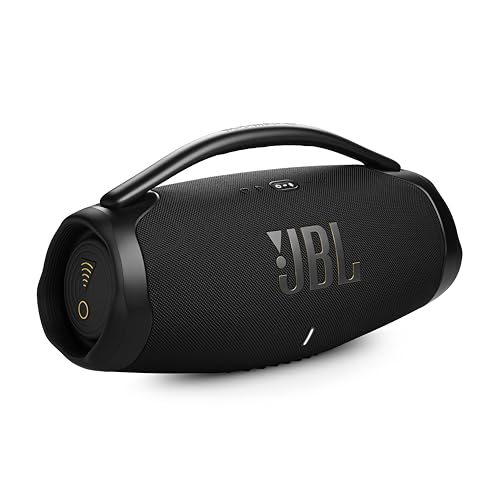
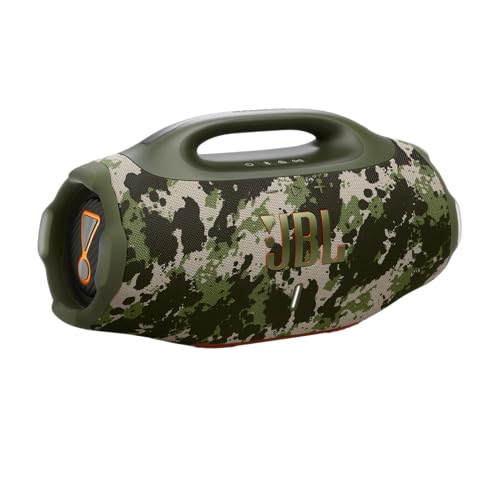
- JBL (Punteggio complessivo medio: 8.1)
- Ultimate Ears (Punteggio complessivo medio: 7.9)
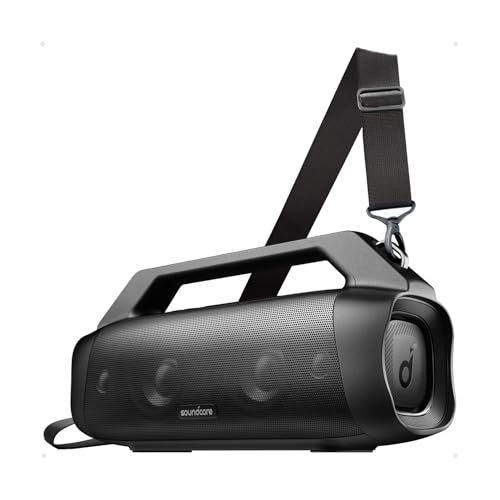
- Anker (Punteggio complessivo medio: 7.9)
Il grafico seguente classifica le marche di altoparlanti portatili in base al punteggio complessivo medio.
[horizontal-chart-16826570532110669241166463899741574182283116530753]
Quali marche di altoparlanti portatili hanno le valutazioni degli utenti più alte?
Le marche di altoparlanti portatili con le valutazioni degli utenti più alte sono le seguenti:
- JBL (Valutazione utenti media: 9.6)
- Marshall (Valutazione utenti media: 9.5)
- Harman Kardon (Valutazione utenti media: 9.5)
Il grafico seguente classifica le marche di altoparlanti portatili in base alla valutazione media degli utenti.
[horizontal-chart-05110462291021542597106577260353695928311768472260]
Quali marche di altoparlanti portatili offrono il miglior rapporto qualità-prezzo?
Le marche di altoparlanti portatili con il miglior rapporto qualità-prezzo sono le seguenti:
- Anker (Rapporto qualità-prezzo medio: 8.4)
- Tribit (Rapporto qualità-prezzo medio: 8.4)
- JBL (Rapporto qualità-prezzo medio: 8.4)
Il grafico seguente confronta le marche di altoparlanti portatili in base al rapporto qualità-prezzo medio.
[horizontal-chart-07320966046243345822079018951973758134930033225657]
Quanto costano i migliori altoparlanti portatili?
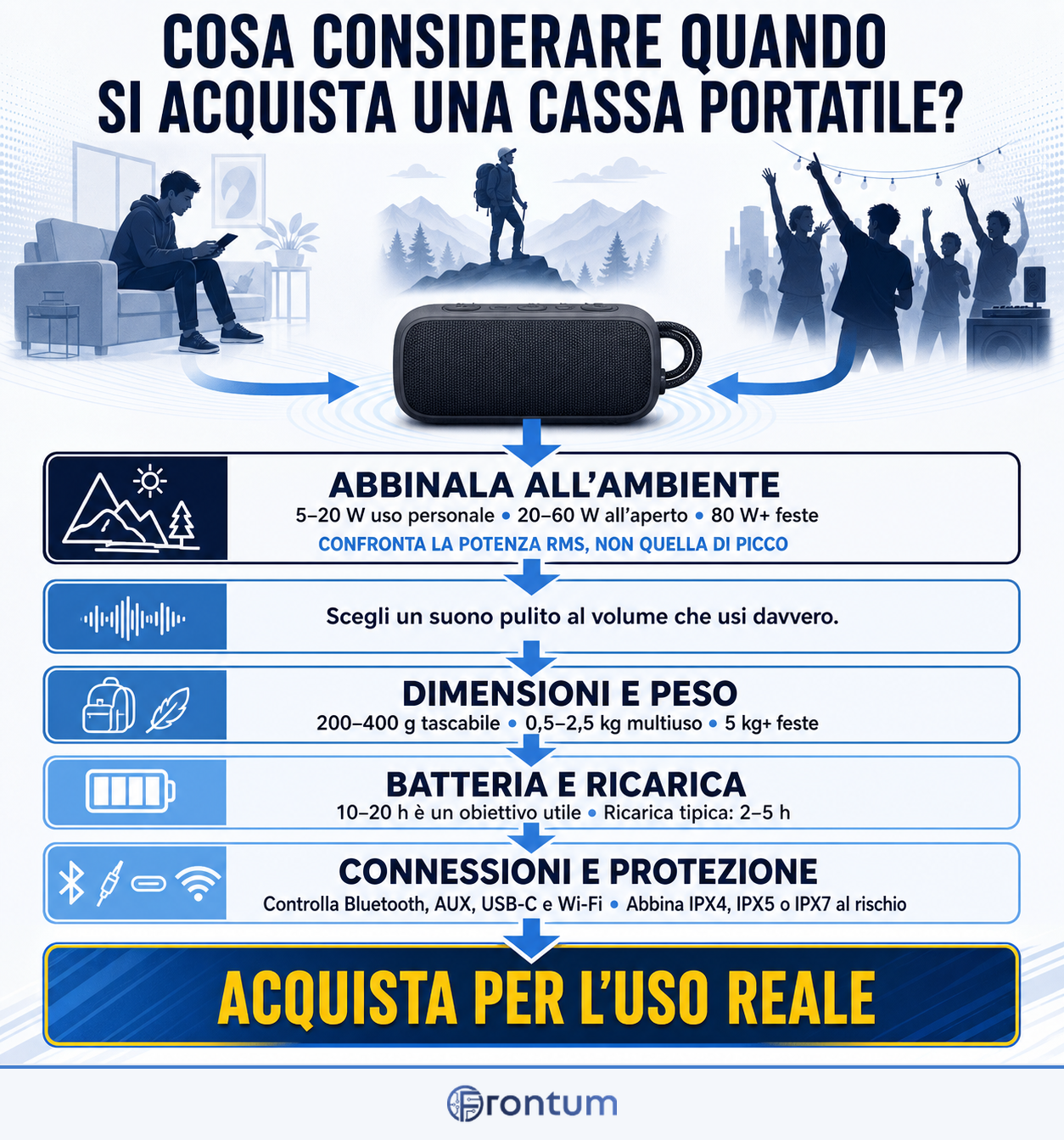
I migliori altoparlanti portatili costano in genere circa 20–600 €, mentre i grandi sistemi premium da festa possono superare 1.000 €.
Gli altoparlanti entry-level intorno a 20–50 € puntano sulla riproduzione Bluetooth di base e su un design compatto; la fascia 50–200 € aggiunge di solito driver migliori, maggiore autonomia, USB-C e una resistenza all’acqua più forte. Oltre 200 €, è più probabile pagare per una potenza maggiore, bassi più profondi, Wi-Fi o funzioni smart, espansione stereo e cabinet più solidi. Per gli altoparlanti da festa molto grandi, cabinet con ruote e funzionamento da rete elettrica possono spingere i prezzi oltre 1.000 €, quindi il sovrapprezzo vale soprattutto quando servono un suono che riempia la stanza o l’uso durante eventi.
Quali prestazioni audio offrono i migliori altoparlanti portatili?
I migliori altoparlanti portatili offrono un suono equilibrato al volume quotidiano, restano composti quando vengono usati ad alto volume e producono bassi adatti alle loro dimensioni invece di coprire le voci.
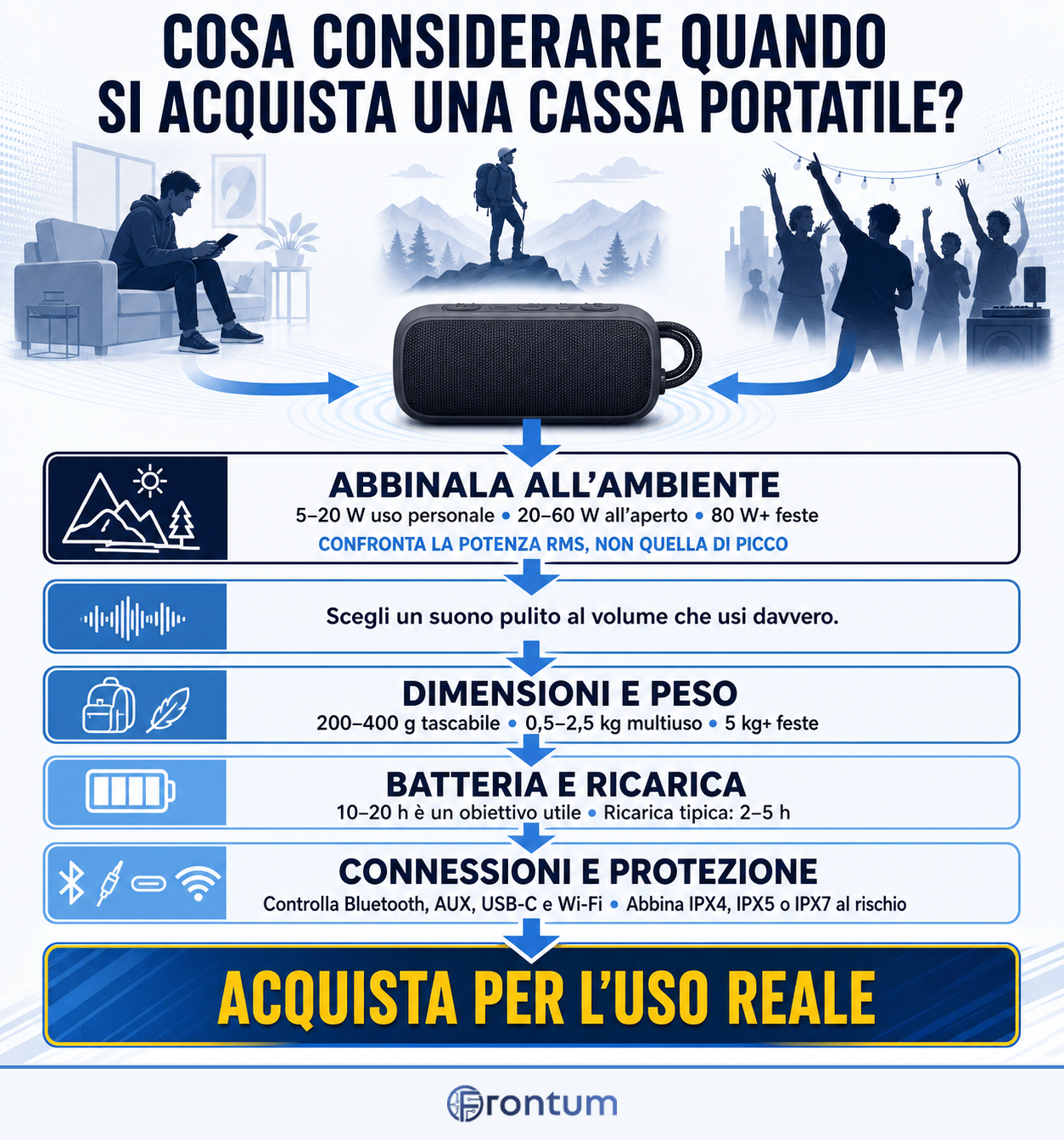
Per l’ascolto personale, circa 5–20 W sono comuni; gli altoparlanti da esterno di medie dimensioni si collocano spesso intorno a 20–60 W, mentre i modelli da festa possono dichiarare 80 W o più. Confronta la potenza continua o RMS quando disponibile, perché la sola potenza di picco dice poco sul volume sostenuto.
L’estensione dei bassi dipende dal volume del cabinet, dalle dimensioni dei driver, dai radiatori passivi e dalla sintonizzazione digitale. Un altoparlante compatto può suonare vivace, ma un cabinet più grande normalmente dà più autorevolezza a grancasse e sintetizzatori bassi; un’enfasi eccessiva dei bassi può ridurre la chiarezza delle voci e accorciare l’autonomia.
Ascolta voci pulite, bassi controllati e bassa distorsione al volume di cui hai davvero bisogno. Un pattern di dispersione ampio o a 360° è adatto all’ascolto condiviso all’aperto, mentre un design con emissione frontale può creare un’immagine stereo più focalizzata da una sola posizione.
Quali funzioni che migliorano il suono offrono i migliori altoparlanti portatili?
I migliori altoparlanti portatili offrono le seguenti funzioni per migliorare il suono:
- Radiatori passivi e subwoofer: possono estendere i bassi senza richiedere un driver principale molto più grande, anche se hanno comunque bisogno di spazio nel cabinet e di una sintonizzazione accurata.
- EQ e modalità audio: l’equalizzazione o i preset basati sull’app possono attenuare gli acuti brillanti, aggiungere bassi a basso volume o adattare l’altoparlante al posizionamento interno ed esterno; incrementi aggressivi possono aumentare la distorsione e consumare più rapidamente la batteria.
- Dispersione ampia o a 360°: driver orientati intorno al cabinet mantengono la musica uniforme per un gruppo, mentre una disposizione con emissione frontale può suonare più focalizzata da una sola posizione d’ascolto.
- Associazione stereo e collegamento party: due altoparlanti uguali possono creare un’immagine stereo più ampia e le modalità party possono riempire uno spazio più grande, ma entrambi devono rimanere entro la portata wireless e usare modelli compatibili.
- Sintonizzazione automatica: alcuni altoparlanti regolano l’uscita in base alla posizione o al volume, migliorando l’equilibrio, ma non possono superare i limiti fisici dei bassi di un cabinet piccolo.
Quali dimensioni e pesi hanno i migliori altoparlanti portatili?
I migliori altoparlanti portatili vanno da modelli tascabili di circa 200–400 g a grandi modelli da festa oltre 5 kg, mentre molti design tuttofare si collocano intorno a 0,5–2,5 kg. Il peso è una misura utile della portabilità, ma la forma del cabinet e una maniglia sicura sono altrettanto importanti.
Gli altoparlanti piccoli entrano in borse e scaffali, mentre i cabinet più pesanti possono usare driver e radiatori più grandi per bassi più forti e potenza maggiore. Controlla le dimensioni dichiarate oltre alla massa: un altoparlante alto può essere scomodo in uno zaino anche quando il suo peso sembra ragionevole.
Scegli la dimensione più leggera che possa riempire lo spazio previsto senza essere spinta fino alla distorsione. Un modello compatto è adatto all’ascolto personale, ai viaggi e alle sessioni brevi; uno più grande si sente meglio in un giardino o in una stanza, ma è meno comodo da trasportare e riporre.
Quanto dura la batteria dei migliori altoparlanti portatili?
L’autonomia dei migliori altoparlanti portatili è generalmente di circa 6–24 ore per carica, con 10–20 ore come obiettivo utile per l’uso quotidiano.
L’autonomia dichiarata di solito presuppone un volume moderato e una semplice riproduzione Bluetooth. Volume elevato, regolazione ricca di bassi, illuminazione RGB, Wi-Fi o uso come power bank possono ridurla notevolmente, quindi una batteria più capiente non garantisce lo stesso tempo d’ascolto in ogni configurazione. Scegli una batteria con autonomia maggiore per le giornate all’aperto e le sessioni condivise; uno speaker da scrivania può accettare un’autonomia più breve vicino a un caricatore.
Quanto velocemente si ricaricano i migliori altoparlanti portatili?
I migliori altoparlanti portatili si ricaricano di solito in circa 2–5 ore, mentre i modelli USB-C e le batterie più piccole spesso raggiungono una ricarica utile in circa 2–3 ore.
Controlla il caricatore richiesto e la potenza d’ingresso invece di presumere che ogni porta USB-C supporti la ricarica rapida. Un altoparlante da festa ad alta capacità può richiedere un adattatore proprietario o molte ore, mentre un modello compatto può recuperare diverse ore di riproduzione con una ricarica breve.
La riproduzione durante la ricarica è utile alla scrivania o durante un evento, ma può rallentare il riempimento e alcuni modelli disattivano le modalità ad alta potenza con l’alimentazione esterna. Un indicatore del livello di carica, una dichiarazione di ricarica rapida e una batteria sostituibile possono contare più dell’autonomia dichiarata quando l’altoparlante viene usato ogni giorno.
Quali connessioni supportano i migliori altoparlanti portatili?
I migliori altoparlanti portatili supportano le seguenti connessioni:
- Bluetooth: l’ingresso wireless principale per telefoni, tablet e laptop; Bluetooth 5.x e l’associazione multipoint possono migliorare portata e comodità.
- AUX da 3,5 mm: un ingresso cablato a bassa latenza che funziona quando la riproduzione wireless non è disponibile, anche se molti altoparlanti compatti più recenti lo omettono.
- USB-C: di solito è la connessione per la ricarica; verifica separatamente se la porta accetta anche audio USB, perché USB-C non significa automaticamente riproduzione digitale.
- Wi-Fi: utile per l’audio multiroom, i servizi di streaming e alcuni sistemi con assistente vocale, ma richiede una rete domestica e può consumare più energia.
- USB o scheda di memoria: alcuni altoparlanti riproducono file locali o ricaricano un telefono tramite USB, mentre altri non supportano nessuna delle due funzioni, quindi verifica le esatte capacità multimediali e di alimentazione.
Quanto sono durevoli e resistenti all’acqua i migliori altoparlanti portatili?
I migliori altoparlanti portatili combinano resistenza all’acqua con un guscio e controlli in grado di sopportare l’uso regolare, ma il livello di protezione giusto dipende dal luogo in cui li usi. Gli altoparlanti per esterni, bordo piscina e viaggio traggono vantaggio da controlli sigillati e porte protette, non solo da un alto codice IP.
I codici IP descrivono la protezione contro polvere e acqua: IPX4 gestisce gli spruzzi, IPX5 resiste ai getti d’acqua e IPX7 o superiore può tollerare un’immersione temporanea quando si seguono le condizioni del produttore. La resistenza all’acqua non equivale alla protezione dagli urti e un connettore non coperto può comunque essere un punto debole.
Controlla anche la resistenza agli urti, i materiali del guscio, le opzioni di trasporto e i limiti della temperatura di funzionamento. Un guscio robusto può proteggere dai colpi, ma può aggiungere peso; per la spiaggia o il campeggio, una maniglia sicura e controlli sigillati sono spesso più pratici del codice di protezione più alto.