Gli altoparlanti portatili Bang & Olufsen sono validi?
Gli altoparlanti portatili Bang & Olufsen hanno un punteggio complessivo medio di 7.8, si classificano al numero 5 tra i marchi di altoparlanti portatili comparabili e hanno una valutazione degli utenti di 9, che li colloca al numero 20 in base alle recensioni.
Gli altoparlanti portatili Bang & Olufsen sono ideali per materiali premium, modelli compatti dalla taratura insolitamente curata e prodotti Wi‑Fi mobili che integrano AirPlay e riproduzione multi-room in interni progettati con attenzione.
Gli altoparlanti portatili Bang & Olufsen sono meno adatti quando contano costo contenuto, potenza da festa molto elevata, ingressi karaoke o abbinamento semplice tra generazioni. Portabilità, protezione dalle intemperie, batterie e funzioni di rete differiscono notevolmente tra le famiglie Beoplay e Beosound.
Il grafico seguente confronta i marchi di altoparlanti portatili in base al punteggio complessivo medio.
[horizontal-chart-16826570532110669241166463899741574182283116530753]
Quali sono i principali vantaggi degli altoparlanti portatili Bang & Olufsen?
I principali vantaggi degli altoparlanti portatili Bang & Olufsen sono i seguenti:
- Costruzione premium: alluminio, tessuto, pelle e comandi rifiniti con cura danno a molti modelli una presenza più simile a un mobile rispetto ai normali altoparlanti Bluetooth. I materiali soddisfano chi dà al design la stessa importanza della potenza.
- Suono raffinato: i modelli compatti A1 ed Explore puntano a una riproduzione equilibrata e controllata, mentre i Beosound più grandi usano più driver ed elaborazione consapevole della stanza. Il risultato è generalmente più composto di un suono aggressivamente ricco di bassi.
- Ottime opzioni compatte: Beosound A1 ed Explore combinano peso ridotto con protezione IP significativa e buone opzioni di autonomia. Sono le scelte B&O più chiare per viaggi, cucine e patii.
- Connettività domestica: alcuni modelli Beosound aggiungono Wi‑Fi, AirPlay, streaming di rete, controllo vocale e funzioni multi-room. A5, Level, Balance e prodotti correlati si inseriscono in una casa connessa più naturalmente dei rivali solo Bluetooth.
- Lunga vita del design: B&O spesso supporta coperture sostituibili, componenti modulari o costruzioni riparabili nelle linee premium. Ciò può estendere la rilevanza estetica e funzionale, anche se la promessa di assistenza esatta dipende dal modello.
Quali sono i principali svantaggi degli altoparlanti portatili Bang & Olufsen?
I principali svantaggi degli altoparlanti portatili Bang & Olufsen sono i seguenti:
- Prezzi elevati: gli altoparlanti B&O compatti costano più di molti modelli tradizionali tecnicamente comparabili, mentre i design domestici premium possono arrivare a prezzi di quattro cifre. La spesa extra compra spesso materiali, design industriale e funzioni dell'ecosistema più che un volume proporzionalmente maggiore.
- Portabilità non chiara: A1, Explore, Beolit, A5 e Level si possono spostare, ma Balance, A9, Beosound 1 e Beosound 2 sono principalmente prodotti domestici. Una maniglia o un ingombro compatto non significano sempre funzionamento a batteria o uso all'aperto.
- Protezione dalle intemperie disomogenea: gli attuali A1 ed Explore sono pratici vicino all'acqua, mentre molti vecchi Beoplay e Beosound premium hanno protezione limitata o assente. Controlla il codice IP esatto invece di affidarti al prezzo.
- Differenze tra generazioni e piattaforme: versioni Bluetooth, supporto app, assistenti vocali, AirPlay, Chromecast e standard multi-room variano negli anni. I prodotti più vecchi possono integrarsi meno facilmente con una configurazione di rete attuale.
- Funzioni da festa limitate: B&O in genere omette illuminazione RGB, ingressi karaoke, radio FM e sistemi a batteria ad altissima potenza offerti da JBL o LG. La gamma privilegia l'ascolto orientato al design rispetto all'intrattenimento per eventi.
Chi produce gli altoparlanti portatili Bang & Olufsen?
Gli altoparlanti portatili Bang & Olufsen sono prodotti da Bang & Olufsen A/S, l'azienda danese di audio e design fondata nel 1925 dagli ingegneri Peter Bang e Svend Olufsen. L'azienda è nata a Struer, in Danimarca, sviluppando radio alimentabili dalla rete domestica quando gli apparecchi a batteria erano ancora comuni.
Bang & Olufsen ha ancora sede a Struer ed è quotata al Nasdaq Copenhagen. Opera come azienda indipendente di audio di lusso, progettando altoparlanti, televisori, soundbar, cuffie e software audio connesso invece di appartenere a un grande marchio di elettronica di massa.
Bang & Olufsen combina ingegneria acustica con competenze interne di design industriale e lavorazione di materiali speciali, in particolare alluminio. Gli altoparlanti portatili e mobili estendono questo approccio dai prodotti Bluetooth compatti ai sistemi Wi‑Fi di fascia alta destinati a funzionare come parte di una stanza.
Quali sono le principali serie di altoparlanti portatili Bang & Olufsen?
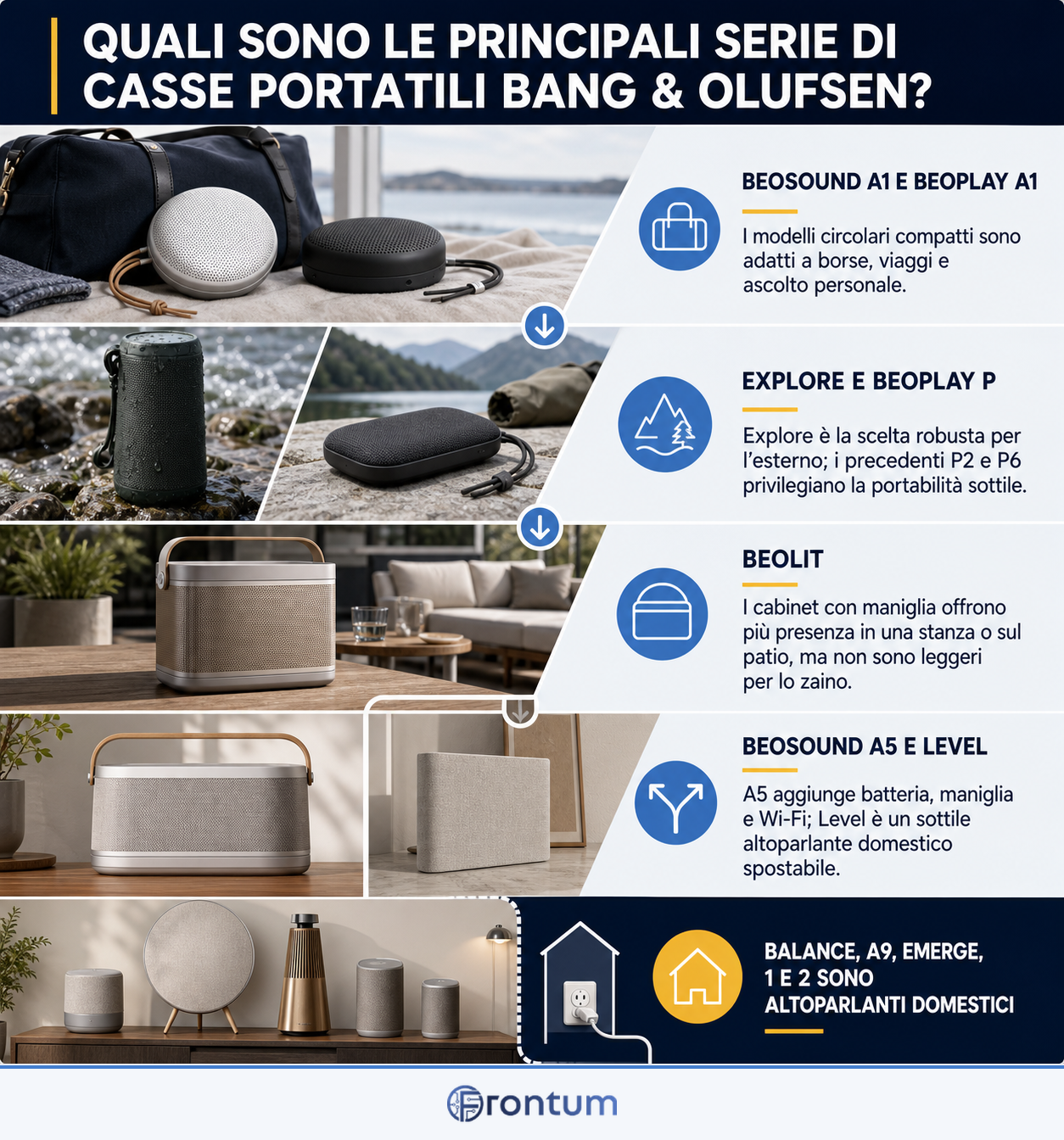
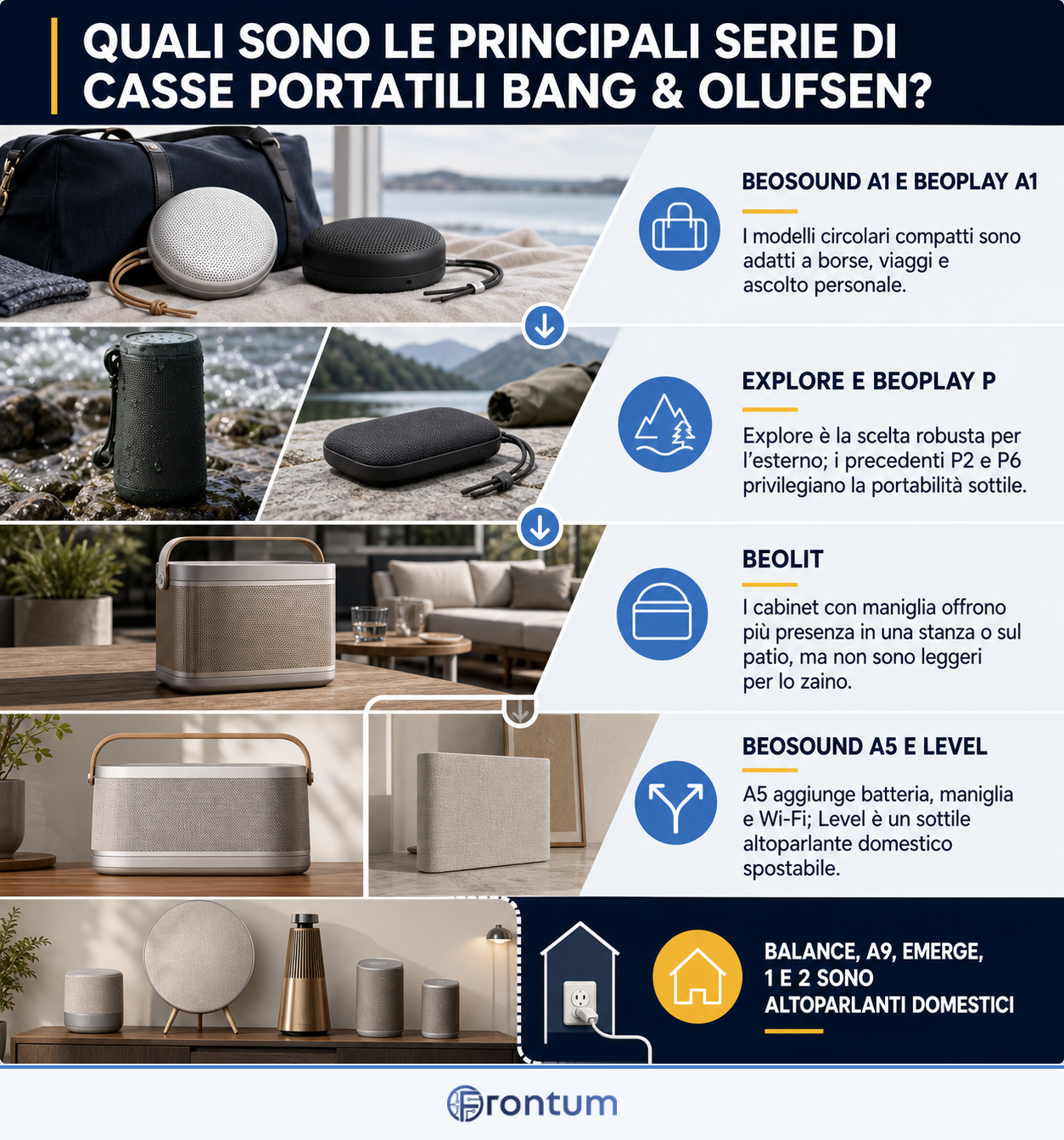
Le principali serie di altoparlanti portatili Bang & Olufsen sono le seguenti:
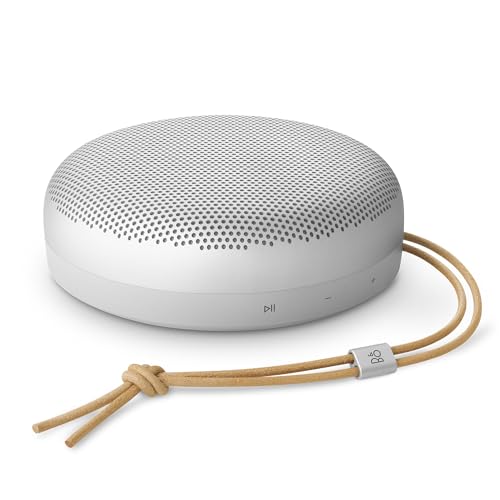
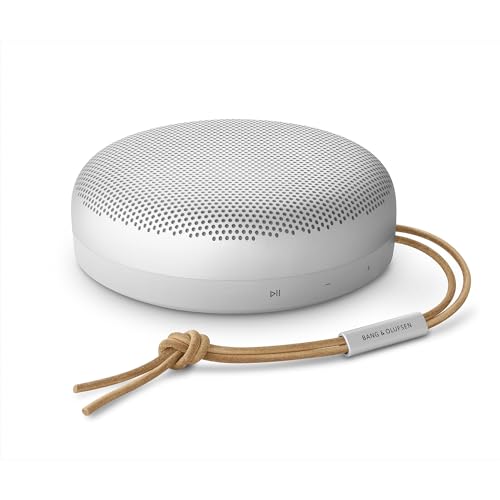
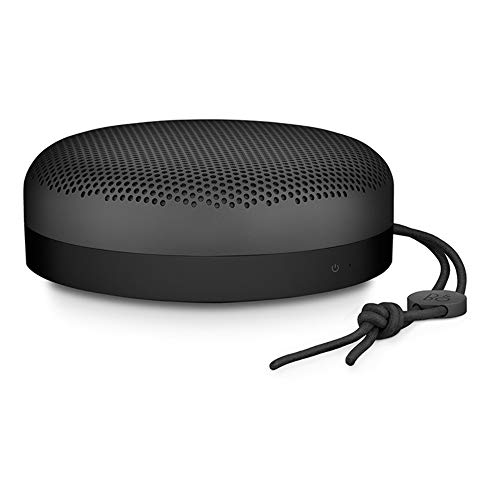
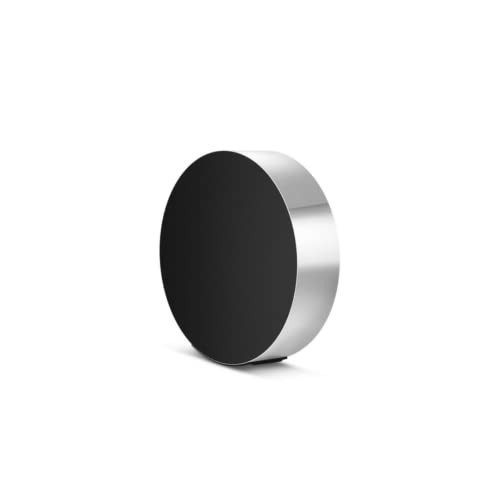
- Beosound A1 e Beoplay A1: questi altoparlanti compatti circolari sono la linea principale adatta alla borsa, con le generazioni Beosound più recenti che aggiungono maggiore protezione dalle intemperie, USB-C e microfoni migliorati. Sono più adatti a viaggi e ascolto personale che a feste in stanze grandi.
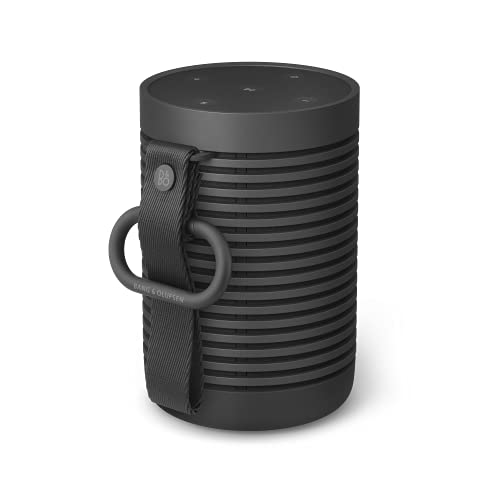
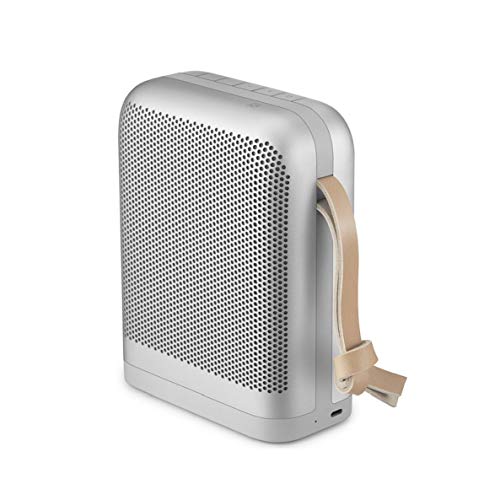
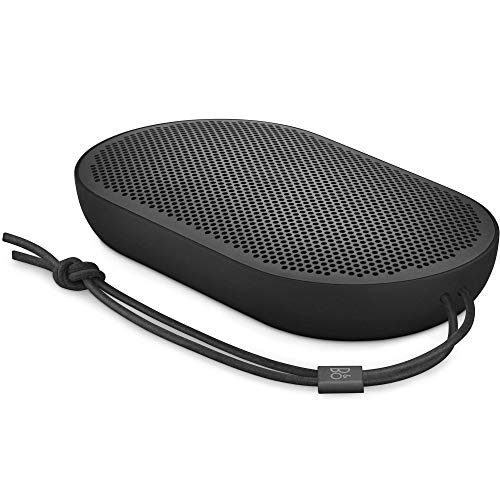
- Beosound Explore e Beoplay P: Explore è la scelta cilindrica robusta per l'esterno, mentre i vecchi modelli P2 e P6 puntano su portabilità premium e sottile. Explore è più facile da consigliare per l'uso esposto; assistenza e protezione della serie P dipendono dall'età.
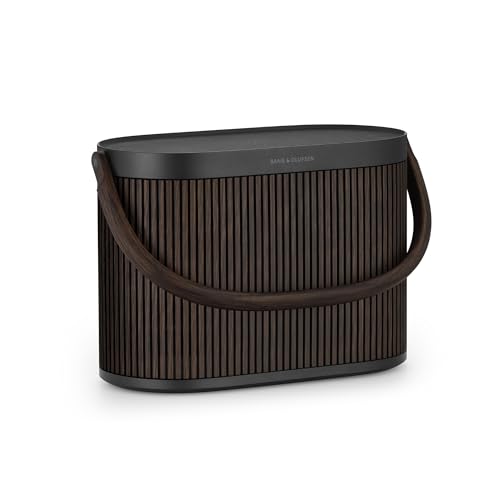
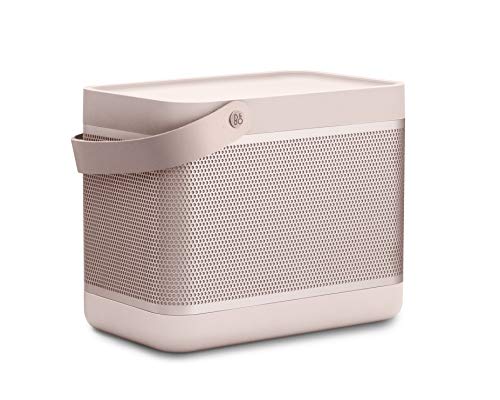
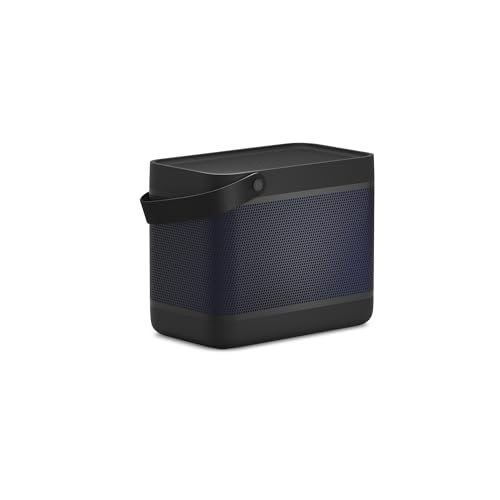
- Beolit: Beolit 12, 17 e 20 usano cabinet a forma di cestino da picnic con maniglia, più potenti e presenti nella stanza di A1. Sono altoparlanti mobili per casa o patio, non modelli leggeri da zaino; batteria e ricarica wireless variano secondo generazione.
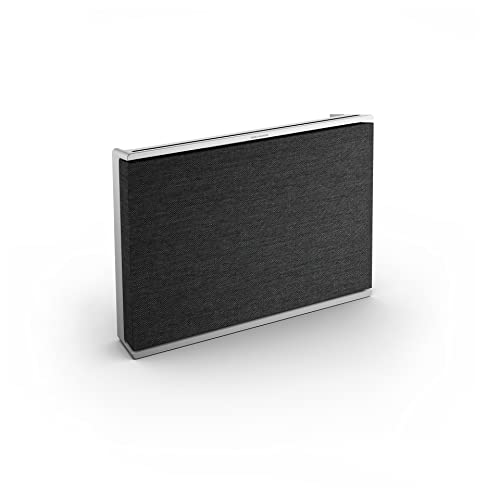
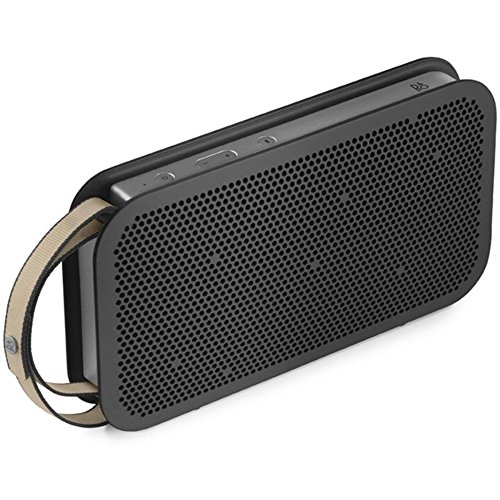
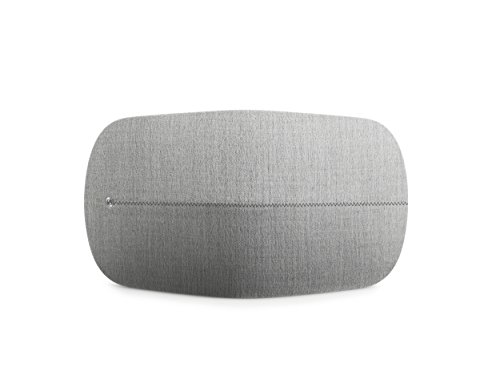
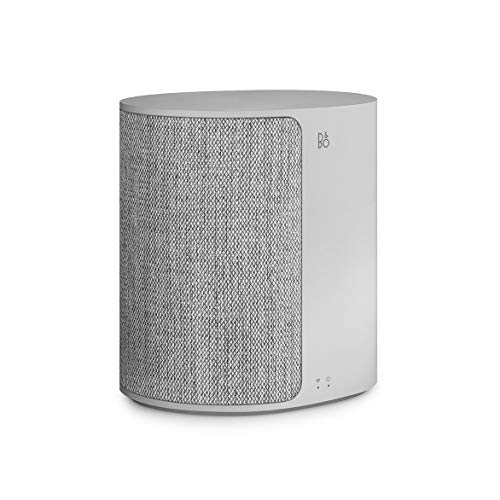
- Beosound A5 e Level: A5 combina batteria, maniglia, Wi‑Fi e potenza consistente, mentre Level è un altoparlante domestico mobile e sottile con posizionamento flessibile. Entrambi si rivolgono a chi vuole audio di rete premium oltre al Bluetooth, a prezzi molto più alti di A1 o Explore.
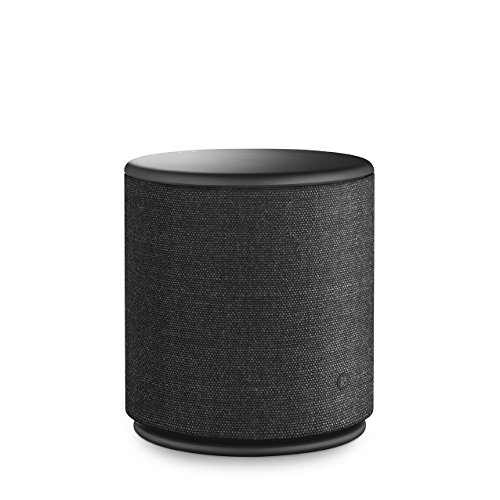
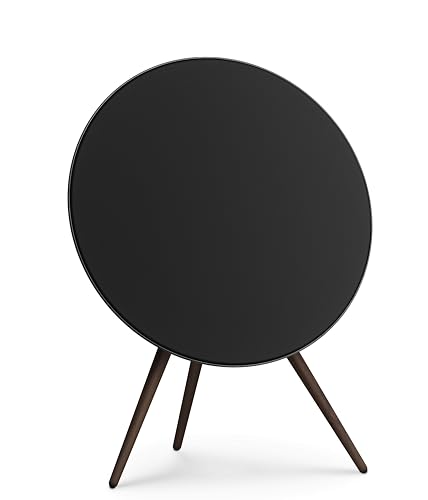
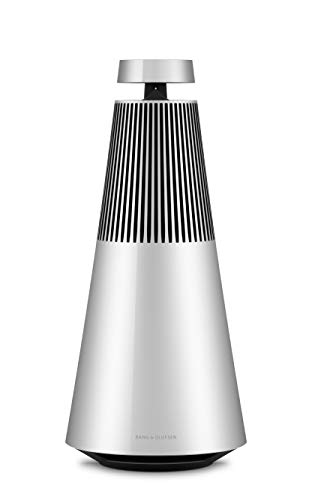
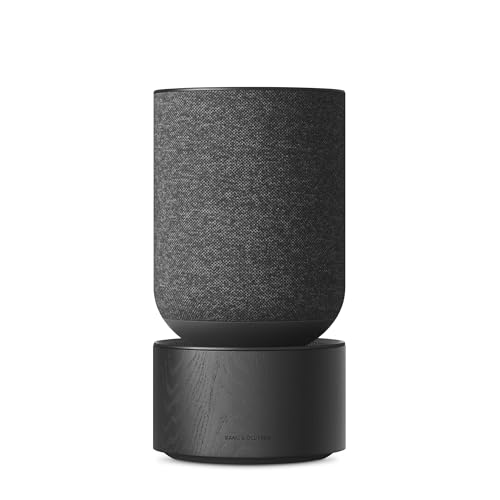
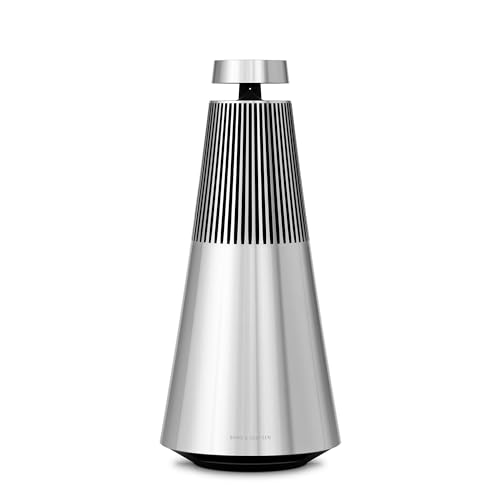
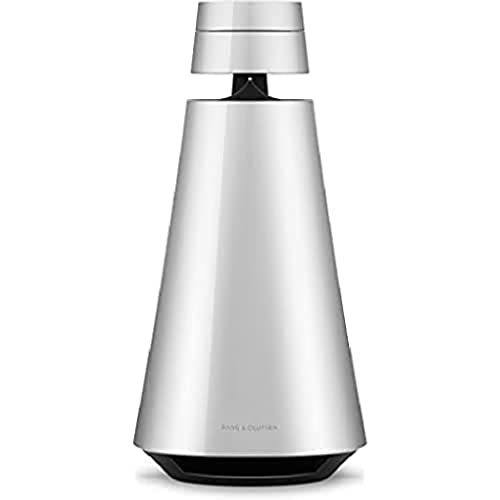
- Beosound Balance, A9, Emerge, 1 e 2: sono altoparlanti domestici dal design curato, con Wi‑Fi e cabinet scultorei, non portatili tradizionali da esterno. Dimensioni, dipendenza dalla rete e acustica orientata alla stanza li rendono rilevanti solo quando il posizionamento mobile conta più del viaggio.
Quanto costano gli altoparlanti portatili Bang & Olufsen?
Gli altoparlanti portatili Bang & Olufsen costano generalmente circa 150–3,700 €. I modelli compatti Beosound A1 ed Explore si collocano di solito intorno a 200–350 €, i vecchi prodotti della serie P intorno a 170–400 € e i modelli Beolit con maniglia intorno a 500–700 €. Beosound A5 occupa una fascia molto più alta, vicina a 1,000 €, perché aggiunge maggiore potenza, una batteria più grande, Wi‑Fi e costruzione premium.
I modelli domestici mobili o scultorei alzano molto il tetto: Level e Beosound 1 possono costare circa 1,500–2,000 €, mentre Balance, Beosound 2, Edge o A9 possono arrivare a circa 3,000–3,700 €. Confronta assistenza attuale, presenza della batteria, standard di rete e posizionamento previsto; l'altoparlante B&O più costoso non è necessariamente il più portatile o resistente alle intemperie.
Come si confrontano gli altoparlanti portatili Bang & Olufsen con i modelli Bose?
Gli altoparlanti portatili Bang & Olufsen si confrontano con i modelli Bose nei seguenti ambiti:
- Design e materiali: B&O pone maggiore enfasi su alluminio, tessuti, forme scultoree e integrazione simile a un mobile. Bose usa cabinet funzionali e sobri e indirizza generalmente più del prezzo verso ingegneria acustica compatta e facilità d'uso.
- Scelta portatile: B&O offre A1, Explore, Beolit e alcuni Beosound mobili, ma i salti di prezzo e dimensioni sono grandi. Bose offre una scala quotidiana più chiara da SoundLink Micro e Flex attraverso Revolve e Max fino ai sistemi S1 Pro.
- Ecosistema domestico: i modelli B&O premium offrono forti opzioni AirPlay e audio di rete con posizionamento in stanza orientato al design. Bose ha prodotti smart e multi-room, ma la gamma portatile mainstream resta più concentrata sul Bluetooth e meno architettonica visivamente.
- Valore per l'esterno: entrambi i marchi vendono altoparlanti compatti protetti, ma Bose offre di solito prezzi più accessibili. B&O è adatto a chi paga per finitura e forma, mentre Bose è più facile da giustificare per la sola utilità portatile.
- Scelta d'acquisto: scegli B&O per materiali di lusso, design d'interni distintivo e audio connesso premium. Scegli Bose per una gamma più semplice, prezzi d'ingresso inferiori, riproduzione delle voci curata e scelte più pratiche tra dimensioni e prezzo.
Che cosa considerare per scegliere il miglior altoparlante portatile Bang & Olufsen?
Quando scegli il miglior altoparlante portatile Bang & Olufsen, considera i seguenti fattori:
- Portabilità e posizionamento: A1 pesa circa 560–600 g, Explore circa 630 g, Beolit circa 2,6–2,8 kg, A5 circa 3,7 kg e Level circa 3,3 kg. A1 o Explore sono adatti a una borsa, Beolit e A5 sono altoparlanti con maniglia da stanza a patio, mentre Level o i Beosound più grandi sono design interni riposizionabili, non normali modelli da viaggio.
- Copertura sonora e dimensioni della stanza: A1 ed Explore sono indicati entrambi a circa 60 W, i modelli Beolit a circa 70–120 W, Level a circa 105 W e A5 a circa 280 W. Usa A1 o Explore a distanza ravvicinata, Beolit per una stanza e A5 per una copertura più ampia, ma confronta dispersione e controllo dei bassi perché i diversi layout multi-driver di B&O rendono i watt dell'amplificatore solo un punto di partenza.
- Protezione dalle intemperie e materiali: Explore e le generazioni A1 attuali sono le scelte più sicure per polvere, pioggia e bordo piscina, mentre Beolit, A5, Level e i modelli domestici scultorei richiedono un posizionamento più prudente. Controlla grado IP completo, esposizione delle porte, finitura in alluminio e limiti di manutenzione del produttore; un cabinet metallico premium non è automaticamente resistente all'acqua.
- Funzioni Bluetooth o Wi‑Fi: A1 ed Explore puntano sul Bluetooth semplice, mentre A5, Level, Balance e i Beosound correlati possono aggiungere streaming Wi‑Fi, AirPlay, Chromecast o controllo multi-room. Paga i modelli di rete solo quando streaming diretto e raggruppamento delle stanze sono utili e verifica il supporto della piattaforma, perché le funzioni differiscono secondo generazione e servizio regionale.
- Batteria, ricarica e assistenza: le generazioni A1 sono indicate per circa 18–24 ore, Explore fino a circa 27 ore, Beolit da circa 8 a 24 ore secondo generazione, A5 circa 12 ore e Level circa 16 ore. Punta ad almeno 18 ore per i viaggi, poi confronta volume di riproduzione, requisiti USB-C o dock, tempo di ricarica e politica sulle batterie sostituibili.
- Generazione, app e possesso a lungo termine: nomi Beoplay e Beosound simili possono nascondere versioni Bluetooth, assistenti vocali, regole di abbinamento stereo e piattaforme software diverse. A1 ed Explore costano comunemente circa 220–350 €, Beolit circa 500–700 €, A5 circa 1,000 € e Level circa 1,500 €, quindi generazione e assistenza contano sempre più con il prezzo. Conferma app B&O, firmware, partner di abbinamento compatibile, garanzia e disponibilità di batterie, coperture, cinghie o accessori di ricarica prima di comprare vecchie scorte.