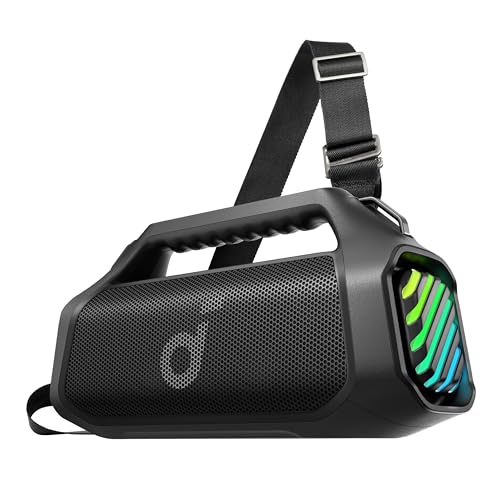
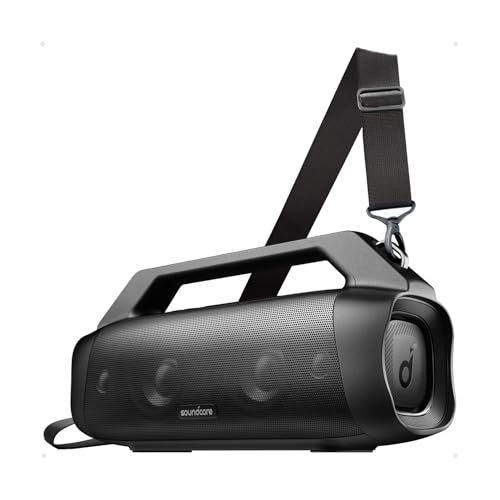
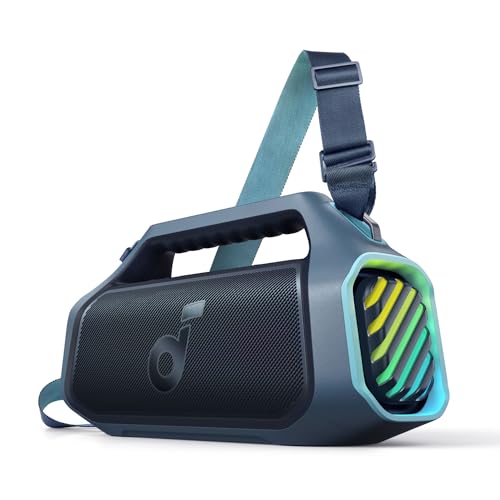
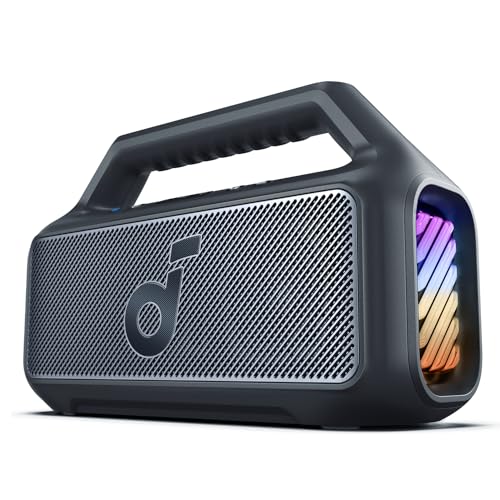
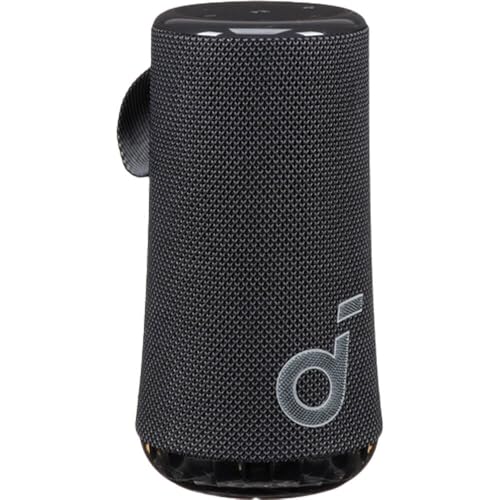
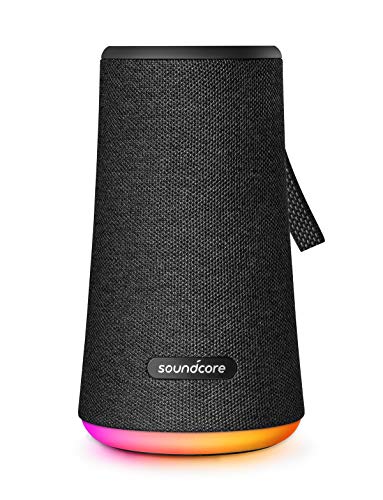
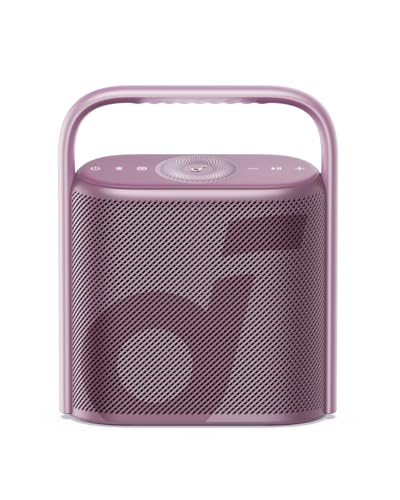
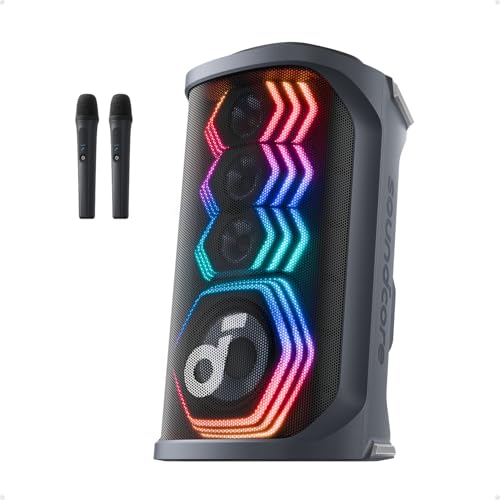
Gli altoparlanti portatili Anker sono validi?
Gli altoparlanti portatili Anker hanno un punteggio complessivo medio di 7.9, si classificano al numero #3 tra i marchi di altoparlanti portatili comparabili e hanno una valutazione degli utenti di 9.4, che li colloca al numero #5 in base alle recensioni degli utenti.
Gli altoparlanti portatili Anker sono particolarmente adatti quando vuoi prodotti Soundcore ricchi di funzioni a prezzi competitivi, con molti modelli compatti che offrono elevata resistenza all’acqua, batterie di lunga durata, EQ nell’app e semplice accoppiamento stereo. La gamma va dagli altoparlanti tascabili ai cabinet seri da festa.
Gli altoparlanti portatili Anker sono meno adatti se ti servono audio multi-room Wi-Fi, AirPlay, materiali premium da arredamento o una gerarchia semplice dei modelli. Nomi e generazioni Soundcore si sovrappongono e alcuni modelli economici sacrificano profondità dei bassi, USB-C o opzioni d’ingresso per la portabilità.
Il grafico seguente confronta i marchi di altoparlanti portatili in base al punteggio complessivo medio.
[horizontal-chart-16826570532110669241166463899741574182283116530753]
Quali sono i principali vantaggi degli altoparlanti portatili Anker?
I principali vantaggi degli altoparlanti portatili Anker sono:
- Ottimo valore: I prodotti Soundcore spesso includono capacità della batteria, resistenza all’acqua, EQ e accoppiamento a prezzi inferiori rispetto alle alternative dei marchi premium. Il valore migliore deriva dalla scelta della famiglia giusta, non semplicemente dal modello più economico.
- Ampia scala di dimensioni: Le famiglie Nano, Mini, Select, Motion, Boom e Rave coprono ascolto personale, stanze, giardini e feste. I nomi possono confondere, ma offrono più passaggi di potenza e batteria rispetto a una singola linea compatta.
- Lunga autonomia: Molti modelli Motion e Boom puntano a circa 12–24 ore, con cabinet più grandi che aggiungono ancora più capacità. L’autonomia reale dipende da volume, modalità bassi e illuminazione, quindi il valore dichiarato più alto non è un’aspettativa universale.
- Protezione per l’esterno: Gran parte dei modelli Soundcore offre IPX7, IP67 o un’altra classificazione utile. Questo rende diversi altoparlanti economici pratici per spiagge, docce e giardini bagnati, purché le coperture delle porte esatte siano chiuse.
- Software utile: L’app Soundcore può offrire preset EQ, aggiornamenti firmware, PartyCast o accoppiamento stereo e controllo dell’illuminazione. Permette di regolare un altoparlante economico per voce, podcast o musica ricca di bassi invece di imporre un unico profilo.
Quali sono i principali svantaggi degli altoparlanti portatili Anker?
I principali svantaggi degli altoparlanti portatili Anker sono:
- Nomi dei modelli complessi: I nomi Soundcore, Motion, Flare, Glow, Boom, Rave, Select e Trance si sovrappongono tra gli anni. Un numero più recente non è sempre una sostituzione completa, quindi confronta protezione, batteria, codec e generazione del collegamento.
- Integrazione smart-home limitata: La maggior parte dei modelli usa solo Bluetooth e non offre riproduzione multi-room Wi-Fi o AirPlay. Chi ha investito in Sonos, prodotti smart Bose o audio Apple Home potrebbe preferire una piattaforma più integrata.
- Funzioni non uniformi: USB-C, ingressi microfono, AAC, accoppiamento stereo, assistenti vocali e PartyCast non sono universali. Una pagina prodotto può sembrare simile a quella di un modello fratello, pur omettendo proprio la connessione che ti serve.
- Suono ad alto volume: Gli altoparlanti Nano, Mini e Select piccoli privilegiano dimensioni e prezzo, quindi profondità dei bassi e nitidezza calano quando il volume si avvicina al limite. I modelli Boom o Rave più grandi migliorano l’impatto, ma aggiungono peso e costo.
- Costruzione incentrata sulla plastica: I cabinet Soundcore sono generalmente pratici e leggeri, non oggetti di lusso. Questo aiuta prezzo e durata, ma chi cerca metallo, pelle o una finitura da arredamento dovrebbe guardare a Bang & Olufsen o ad alcuni modelli Bose.
Chi produce gli altoparlanti portatili Anker?
Gli altoparlanti portatili Anker sono prodotti da Anker Innovations, l’azienda cinese di hardware smart fondata nel 2011 da Steven Yang. Yang aveva precedentemente lavorato come ingegnere di algoritmi presso Google e l’azienda è diventata inizialmente nota per i prodotti di ricarica, prima di espandersi in audio, smart home e altri marchi di tecnologia consumer.
Anker Innovations ha sede a Changsha, Hunan, in Cina, e gestisce uffici internazionali. Il marchio Soundcore sviluppa altoparlanti, cuffie e auricolari wireless, mentre l’azienda più ampia possiede anche marchi come eufy e Nebula.
Gli altoparlanti portatili Soundcore riflettono l’approccio di Anker basato su software e valore: piattaforme comuni supportano EQ nell’app, aggiornamenti firmware, gestione della batteria e accoppiamento di più altoparlanti in diverse fasce di prezzo. Potenza acustica e design industriale variano comunque in base alla famiglia, quindi Soundcore è un portafoglio, non uno stile uniforme di altoparlante.
Quali sono le principali serie di altoparlanti portatili Anker?
Le principali serie di altoparlanti portatili Anker sono:
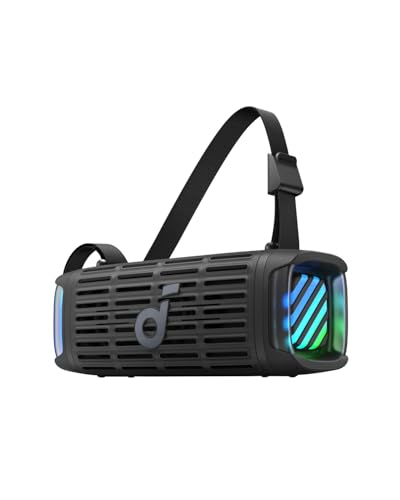
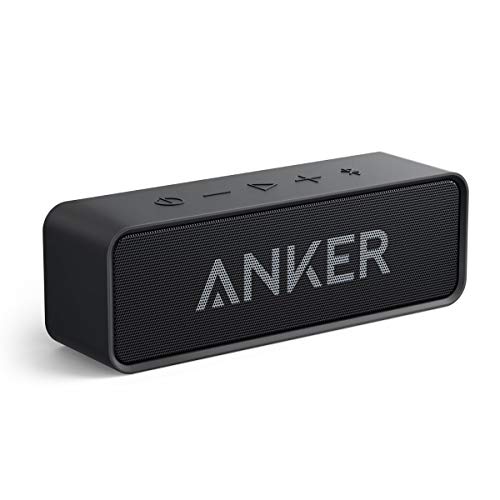
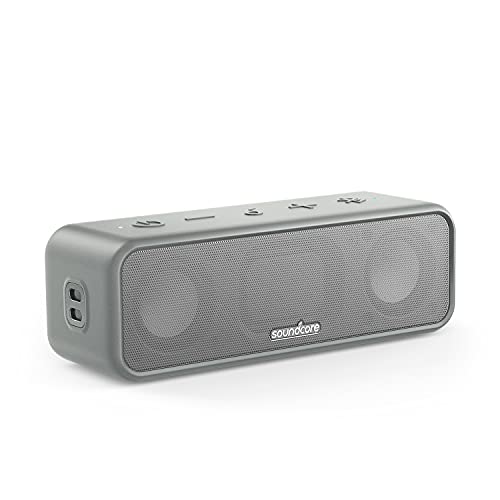
- Nano, Mini e Select: Sono le famiglie Soundcore più piccole ed economiche, progettate per borse, scrivanie e sessioni d’ascolto brevi. Sono facili da trasportare e spesso ben protette, ma i driver minuscoli non possono competere con i bassi di Motion o Boom.
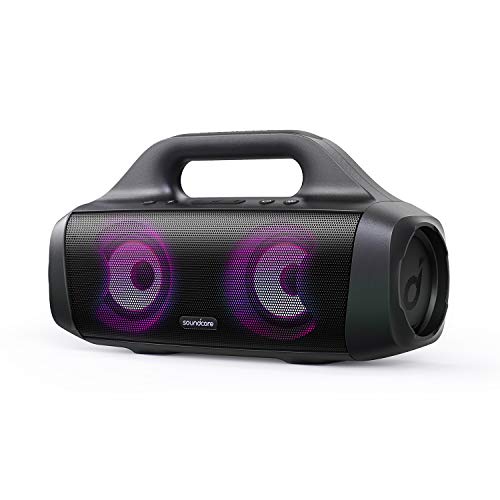
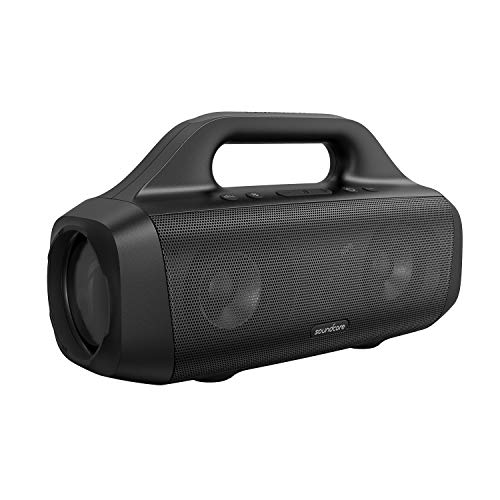
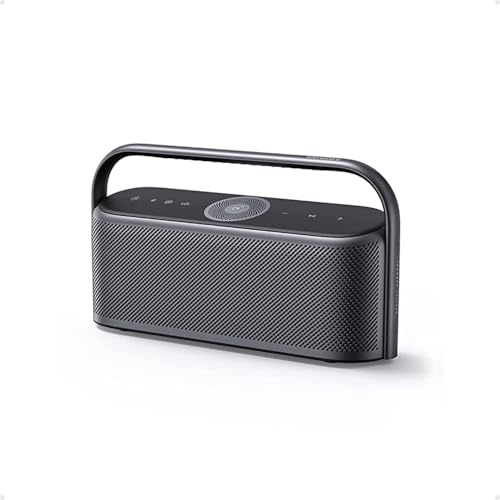
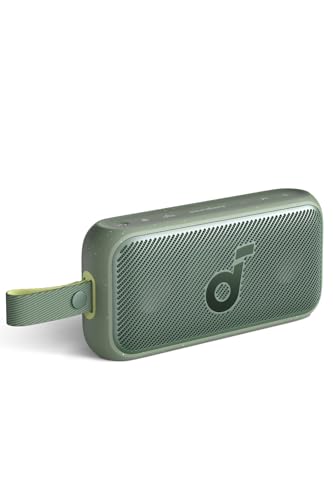
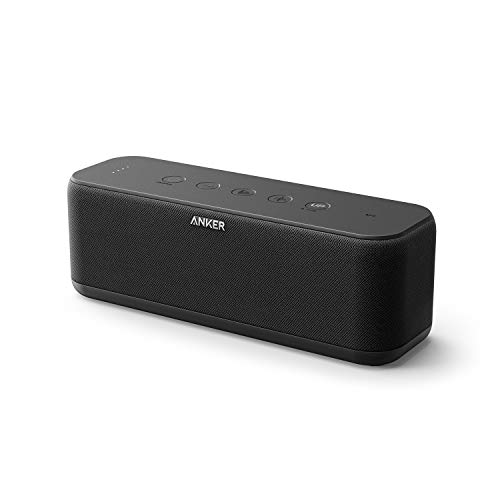
- Motion: I modelli Motion Q, B, 100, 300, Plus, Boom, Boom Plus e della serie X formano la scala principale dall’uso quotidiano a quello esterno. La famiglia aggiunge batteria, potenza, ampiezza stereo e talvolta elaborazione spaziale con l’aumentare delle dimensioni.
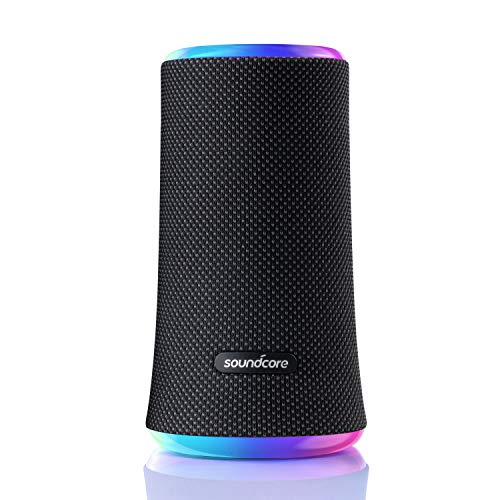
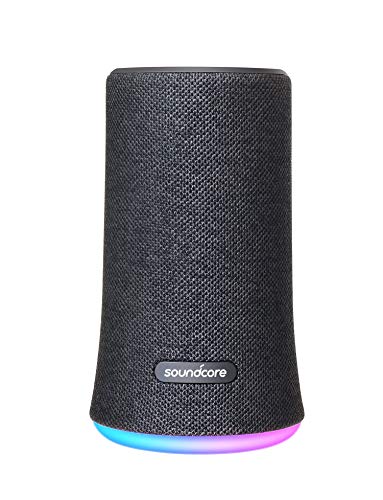
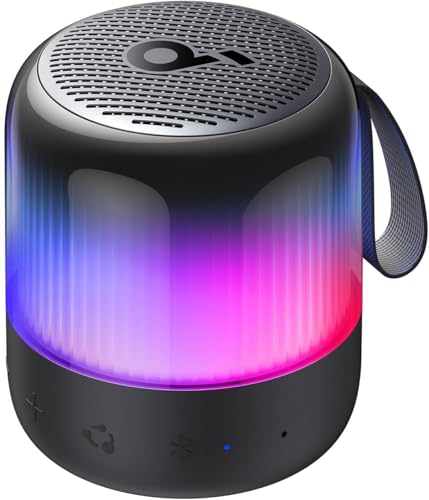
- Flare e Glow: I modelli Flare usano corpi circolari o cilindrici con presentazione a 360 gradi, mentre Glow aggiunge effetti di illuminazione. Sono adatti a stanze sociali e feste informali, ma le luci riducono l’autonomia e non sono presenti in ogni generazione.
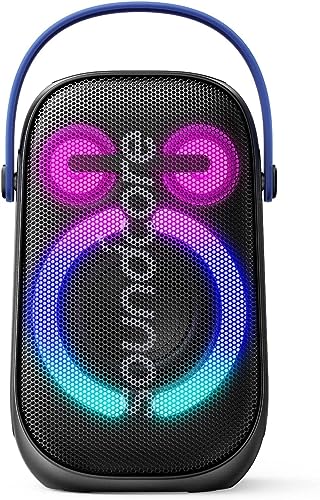
- Boom e Rave: Boom 2, Boom 3i, Rave Neo, Rave Plus e Rave Party si spostano verso l’uso all’aperto e gli eventi ad alta potenza. Possono offrire bassi forti e lunga autonomia, ma peso e dimensioni li rendono meno adatti agli zaini.
- Modelli Soundcore specializzati: Trance, Sport, Model Zero, Classic, Pocket e i prodotti Premium coprono design più vecchi o più ristretti. Controlla individualmente porte di ricarica, supporto app, classificazione IP e protocollo di accoppiamento prima di considerarli equivalenti attuali.
Quanto costano gli altoparlanti portatili Anker?
Gli altoparlanti portatili Anker costano generalmente circa 20–350 €. Nano, Mini, Select e i modelli Soundcore base partono da circa 20–50 €, gli altoparlanti Motion, Flare e Glow per l’uso quotidiano si trovano comunemente intorno a 50–100 € e i modelli Motion o Boom più grandi costano di solito circa 100–200 €. Capacità della batteria, protezione dall’acqua, potenza e illuminazione spiegano le differenze nella fascia media.
Rave e i sistemi Boom più grandi arrivano a circa 200–350 € perché aggiungono amplificatori più potenti, batterie più grandi, modalità festa e talvolta ingressi per microfono o strumento. Le generazioni più vecchie possono costare meno, ma controlla USB-C, supporto app, compatibilità codec e stato della batteria prima di presumere che lo sconto offra lo stesso set di funzioni di un Soundcore attuale.
Come si confrontano gli altoparlanti portatili Anker con i modelli JBL?
Gli altoparlanti portatili Anker si confrontano con i modelli JBL nelle aree seguenti:
- Valore e gamma: Soundcore offre spesso più funzioni app, capacità della batteria e opzioni con classificazione IP a prezzi inferiori. JBL ha una scala dimensionale più pulita e nomi di famiglia più uniformi, che rendono più facile confrontare un upgrade da Flip, Charge, Xtreme o Boombox.
- Suono: Soundcore offre molti preset EQ e profili regolabili, quindi il bilanciamento predefinito è meno uniforme. JBL offre generalmente una presentazione energica prevedibile, mentre un Motion o Boom ben regolato può fornire un impatto comparabile a un prezzo inferiore.
- Robustezza: Entrambi i marchi offrono molti modelli resistenti all’acqua, ma Soundcore usa ampiamente IPX7 o IP67 nei prodotti compatti. La gamma esterna JBL ha un riconoscimento retail più forte e una visibilità più uniforme di accessori e ricambi.
- Collegamento e funzioni da festa: Soundcore supporta accoppiamento stereo e PartyCast su generazioni selezionate; JBL usa sistemi PartyBoost o Auracast specifici per famiglia. Non aspettarti l’accoppiamento tra marchi o generazioni diverse solo perché entrambi gli altoparlanti usano Bluetooth.
- Scelta in base all’uso: Scegli Soundcore per il maggior numero di funzioni per euro, EQ nell’app e opzioni impermeabili economiche. Scegli JBL per una navigazione più semplice, un percorso di upgrade prevedibile, un marchio più ampio per i sistemi da festa o quando è importante abbinare un altoparlante JBL che già possiedi.
Cosa dovresti considerare scegliendo il miglior altoparlante portatile Anker?
Quando scegli il miglior altoparlante portatile Anker, considera i seguenti fattori:
- Famiglia e distanza di trasporto: Nano parte da circa 80 g e 3 W, i modelli Mini/Select pesano circa 200–590 g e offrono 5–20 W, i modelli Motion circa 0,6–1,6 kg e 20–50 W e Boom circa 1,7–3,8 kg e 60–140 W. Rave può arrivare a circa 3,6–10,5 kg e 80–160 W, quindi le famiglie grandi richiedono maniglia, trasporto breve o un veicolo.
- Suono e modalità bassi: Nano o Mini sono adatti all’ascolto ravvicinato, Motion copre una stanza o un giardino e Boom o Rave offre più margine nelle basse frequenze per i gruppi. BassUp ed EQ possono cambiare molto il suono, quindi confronta chiarezza e distorsione con le modalità che userai davvero invece di affidarti al wattaggio nominale.
- Batteria e ricarica: Nano è dichiarato per circa 4 ore, Mini comunemente per 12–15 ore, Select e molti modelli Soundcore base per 16–24 ore, Motion per circa 12–13 ore e Boom per circa 20–24 ore; Rave varia intorno a 12–24 ore. Preferisci almeno 20 ore per i fine settimana all’aperto, poi confronta con BassUp e illuminazione attivi e verifica USB-C, tempo di ricarica e uscita power bank.
- Protezione da acqua e polvere: Molti modelli Soundcore Motion e Flare offrono protezione IPX7 o IP67, ma modelli fratelli e generazioni vecchie possono differire. Conferma il codice esatto, se la polvere è coperta, come deve essere chiuso lo sportello di ricarica e se il modello va risciacquato o asciugato prima della ricarica dopo l’uso in spiaggia o a bordo piscina.
- Accoppiamento e compatibilità app: Accoppiamento stereo Soundcore, PartyCast, multipoint e supporto firmware dipendono dalla generazione; due altoparlanti con nomi simili potrebbero non accoppiarsi. Controlla app Soundcore attuale, sistema operativo del telefono supportato, controlli EQ e se il modello Motion, Flare o Boom esatto appartiene allo stesso ecosistema di collegamento di un altoparlante che già possiedi.
- Ingressi, illuminazione e valore: Flare o Glow sono utili quando conta l’illuminazione sincronizzata con la musica, mentre Motion e Boom possono privilegiare suono e batteria rispetto agli effetti. Nano, Mini e Select costano spesso circa 20–40 €, Motion circa 30–170 €, Boom circa 60–250 € e Rave circa 90–350 €. Conferma singolarmente microfono, AUX, riproduzione USB e radio, poi confronta garanzia e potenza pulita con modelli JBL o Sony di prezzo simile invece di scegliere il cabinet più economico.