Gli altoparlanti portatili Sonos sono validi?
Gli altoparlanti portatili Sonos hanno un punteggio complessivo medio di 7.4, si classificano al numero 14 tra i marchi di altoparlanti portatili comparabili e hanno una valutazione degli utenti di 9.1, che li colloca al numero 19 in base alle recensioni.
Gli altoparlanti portatili Sonos sono ideali per chi vuole spostare un altoparlante dall'uso Bluetooth all'aperto alla riproduzione Wi‑Fi sincronizzata in casa. Roam e Move si integrano con raggruppamento Sonos, AirPlay, EQ nell'app e taratura automatica.
Gli altoparlanti portatili Sonos sono meno adatti quando contano prezzo basso, ingressi AUX, ampia trasmissione Android, illuminazione o potenza da festa molto elevata. Le loro funzioni migliori dipendono dall'app Sonos, dalla rete, dall'account e da generazioni di prodotti compatibili.
Il grafico seguente confronta i marchi di altoparlanti portatili in base al punteggio complessivo medio.
[horizontal-chart-16826570532110669241166463899741574182283116530753]
Quali sono i principali vantaggi degli altoparlanti portatili Sonos?
I principali vantaggi degli altoparlanti portatili Sonos sono i seguenti:
- Integrazione Wi‑Fi multi-room: Roam e Move possono entrare nelle stesse stanze e negli stessi gruppi degli altoparlanti domestici Sonos compatibili. È il loro vantaggio più evidente rispetto ai normali modelli portatili solo Bluetooth.
- Bluetooth fuori casa: i modelli a batteria passano al Bluetooth diretto quando il Wi‑Fi non è disponibile. Lo stesso altoparlante può quindi servire in giardino, in viaggio e nell'ecosistema domestico senza prodotti separati.
- Controllo uniforme dall'app: l'app Sonos centralizza servizi di streaming, raggruppamento, EQ, sveglie e firmware. Chi usa già Sonos ottiene comandi familiari e riproduzione sincronizzata.
- Taratura automatica: i modelli portatili compatibili adattano il suono mentre si spostano tra ambienti. Questo aiuta Move o Roam a suonare più equilibrati vicino a una parete, su una mensola o all'esterno.
- Ruoli distinti nella famiglia: Roam è compatto e resistente all'acqua, mentre Move sacrifica peso per bassi, potenza e autonomia maggiori. La gamma limitata rende relativamente chiara la scelta in base all'uso.
Quali sono i principali svantaggi degli altoparlanti portatili Sonos?
I principali svantaggi degli altoparlanti portatili Sonos sono i seguenti:
- Dipendenza dall'ecosistema: configurazione, raggruppamento, aggiornamenti e molte funzioni di streaming dipendono dall'app Sonos e da una rete domestica funzionante. Chi vuole comandi offline semplici può trovare il sistema eccessivo.
- Prezzi premium: Roam costa più di molti altoparlanti Bluetooth di dimensioni simili e Move occupa una fascia molto più alta. Il valore migliora soprattutto quando le funzioni multi-room Sonos saranno utilizzate davvero.
- Ingressi cablati limitati: la maggior parte dei modelli portatili Sonos non offre un normale ingresso AUX da 3,5 mm e USB-C non significa automaticamente audio USB. Giradischi, laptop e televisori possono richiedere un altro prodotto Sonos o un adattatore.
- Portabilità diversa: Roam è facile da mettere in borsa, ma Move pesa diversi chilogrammi ed è pensato soprattutto per essere portato nella proprietà. Play, Five e Sub richiedono la rete e non vanno scambiati per altoparlanti da viaggio.
- Limiti della piattaforma: AirPlay è ben supportato sui modelli compatibili, ma Chromecast non lo è. Anche servizi vocali, comportamento Bluetooth e abbinamento stereo possono variare secondo modello e regione.
Chi produce gli altoparlanti portatili Sonos?
Gli altoparlanti portatili Sonos sono prodotti da Sonos, Inc., un'azienda audio americana fondata nel 2002. L'azienda ha lanciato il primo prodotto nel 2005 e ha costruito la propria reputazione sull'audio di rete sincronizzato controllato dal software, più che sui componenti hi-fi tradizionali indipendenti.
Sonos è costituita nel Delaware e ha sede a Goleta, California. È una società quotata al Nasdaq con il simbolo SONO, quindi è indipendente e non appartiene a un gruppo più grande di elettronica di consumo.
Sonos progetta altoparlanti, soundbar, subwoofer, cuffie e la piattaforma software che li collega, mentre la produzione è affidata a partner esterni. Roam e Move estendono questa competenza nelle reti domestiche ai prodotti a batteria con Bluetooth e uso all'aperto.
Quali sono le principali serie di altoparlanti portatili Sonos?
Le principali serie di altoparlanti portatili Sonos sono le seguenti:
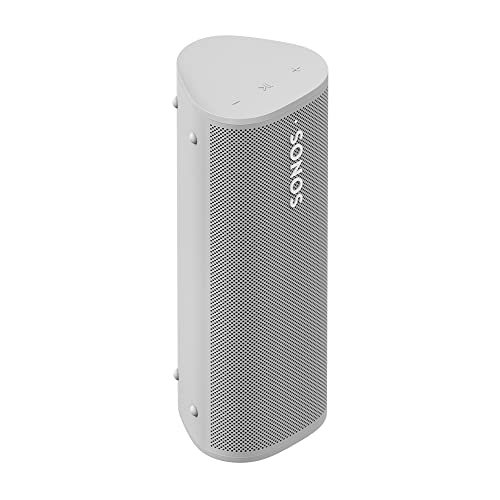
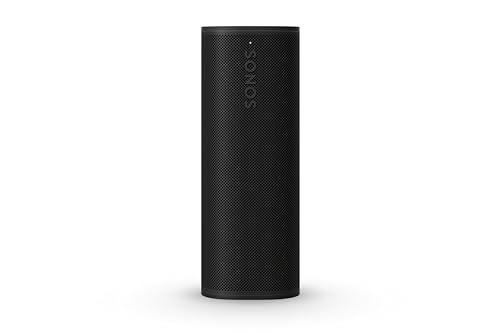
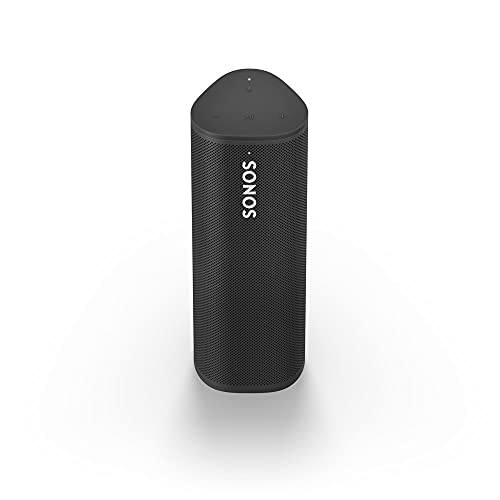
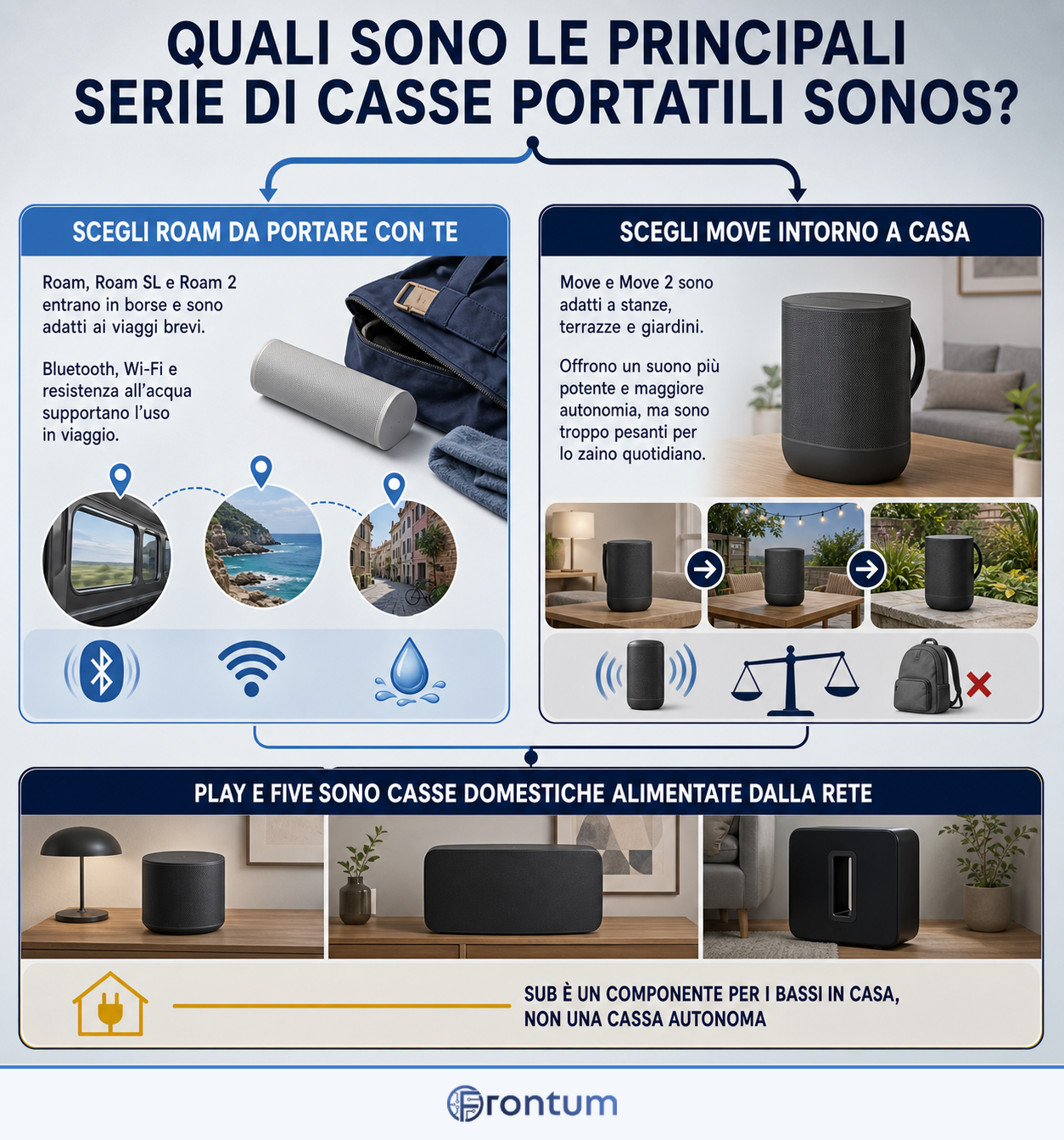
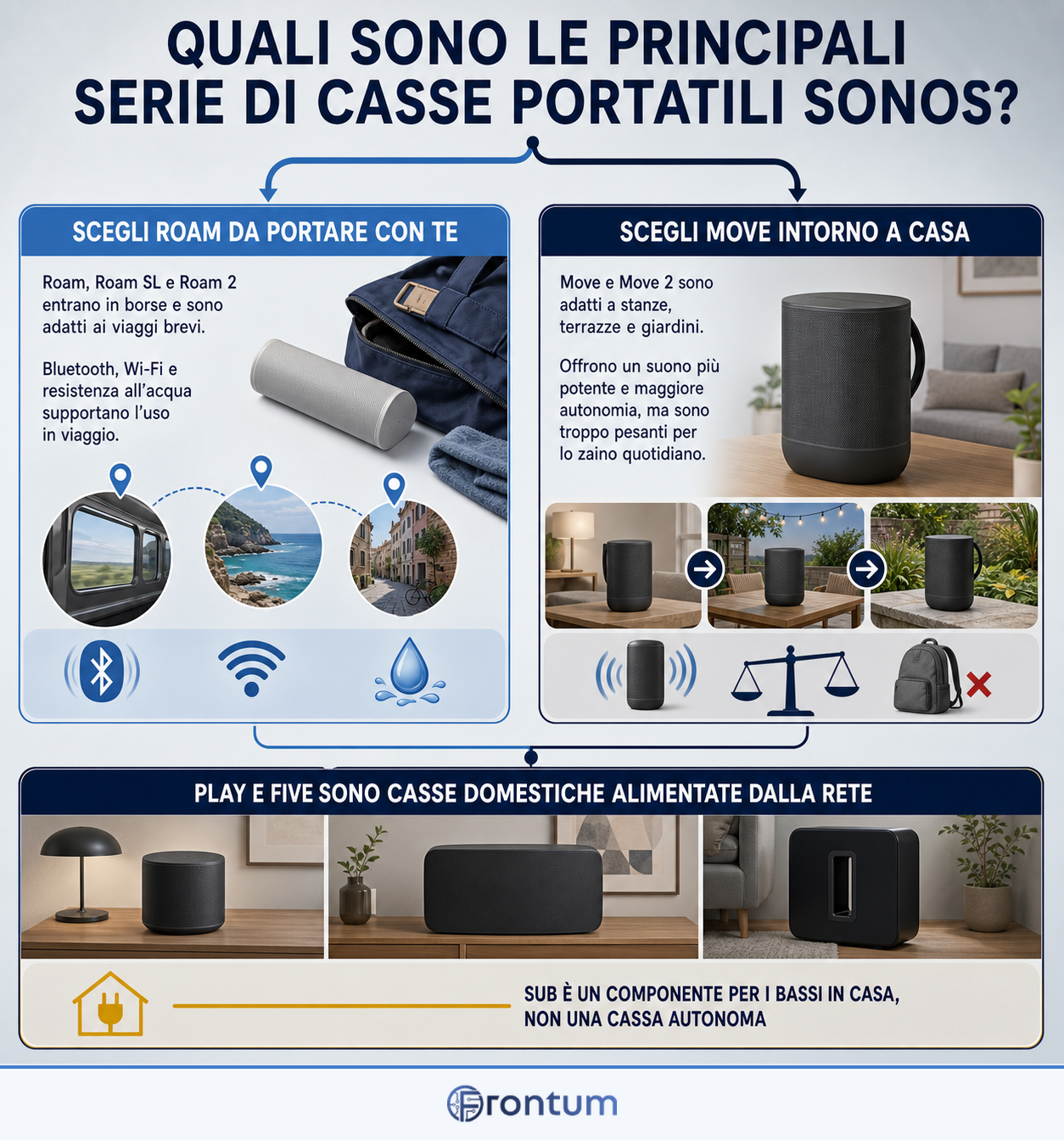
- Roam: Roam, Roam SL e Roam 2 sono altoparlanti compatti a batteria con Bluetooth, Wi‑Fi e resistenza all'acqua. Entrano in borse e sono adatti a viaggi brevi, ma non possono competere con Move per bassi o potenza capace di riempire la stanza.
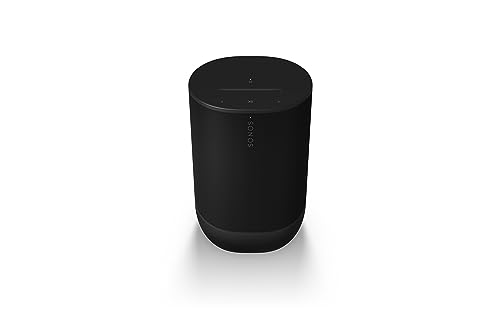
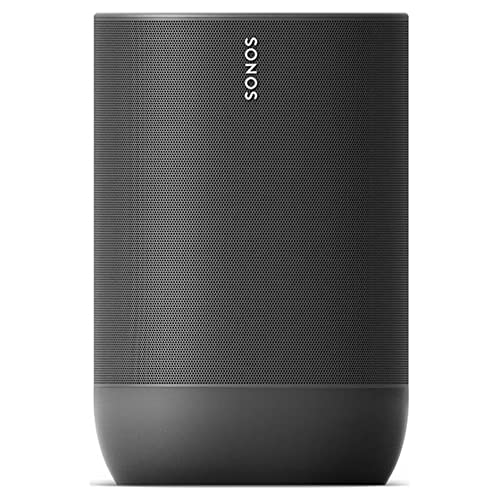
- Move: Move e Move 2 sono altoparlanti a batteria più grandi progettati per spostarsi tra stanze, patii e giardini. Offrono suono più potente e autonomia maggiore, ma sono troppo pesanti per uno zaino usato casualmente.
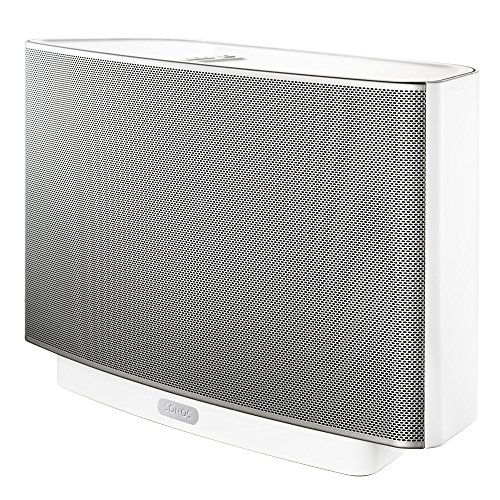
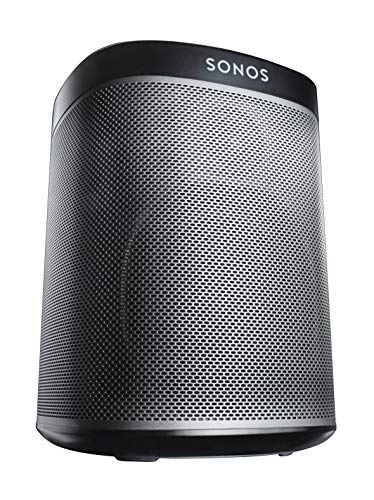
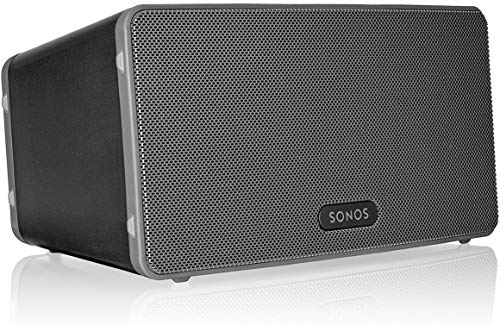
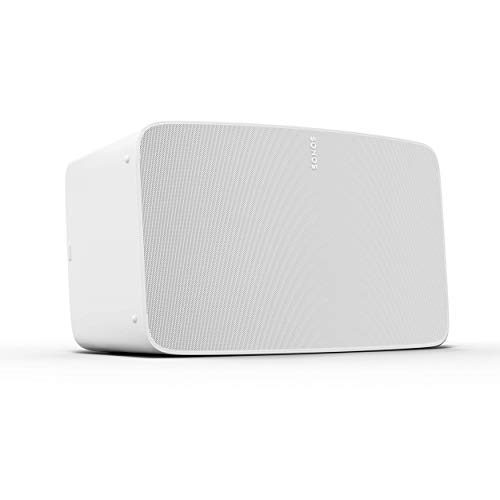
- Play e Five: Play 1, Play 3, Play 5 e Five sono altoparlanti domestici alimentati dalla rete all'interno della famiglia multi-room Sonos. Possono essere riposizionati in casa, ma non sono prodotti portatili a batteria.
- Famiglia Sub: Sonos Sub è un componente wireless per i bassi destinato a stanze Sonos compatibili, non un altoparlante portatile autonomo. La sua presenza in un confronto non va mai interpretata come altoparlante a batteria o sistema musicale tutto-in-uno.
Quanto costano gli altoparlanti portatili Sonos?
Gli altoparlanti portatili Sonos costano generalmente circa 180–500 €. I modelli Roam si collocano di solito intorno a 180–220 €, mentre la famiglia Move costa comunemente circa 370–500 € a seconda della generazione e della confezione. Basi di ricarica o accessori di alimentazione sostitutivi possono aumentare il prezzo.
Gli altoparlanti domestici Sonos alimentati dalla rete, come Five, arrivano a circa 600–650 €, ma risolvono un problema diverso da Roam o Move. Paga il sovrapprezzo per raggruppamento Wi‑Fi e integrazione nell'ecosistema; se ti serve solo Bluetooth, JBL, Sony o Bose offrono spesso più scelta di dimensioni e prezzi.
Come si confrontano gli altoparlanti portatili Sonos con i modelli Bose?
Gli altoparlanti portatili Sonos si confrontano con i modelli Bose nei seguenti ambiti:
- Ecosistema domestico: Sonos offre raggruppamento in tutta la casa e integrazione dei servizi di streaming più profonde tra altoparlanti e soundbar. Bose propone alcuni prodotti smart e multi-room, ma le sue famiglie portatili sono meno uniformemente centrate su un'unica piattaforma di rete.
- Scelta portatile: Sonos offre principalmente il compatto Roam e il più grande Move. Bose propone più dimensioni solo Bluetooth, tra cui Micro, Flex, Revolve, Max e i sistemi specializzati S1 Pro.
- Suono e taratura: entrambi i marchi puntano su un suono curato e accessibile e sulla regolazione tramite app. Sonos si affida alla taratura automatica della stanza e alla riproduzione raggruppata, mentre Bose enfatizza il design acustico compatto e, con Revolve, la dispersione ampia.
- Connessioni: Sonos privilegia Wi‑Fi, AirPlay e streaming dall'app, ma spesso omette AUX. Bose offre più prodotti Bluetooth-first e alcune opzioni cablate o per microfono, anche se le connessioni variano secondo la famiglia.
- Valore: Sonos è l'acquisto più forte per una casa Sonos già esistente, mentre Bose è più facile da giustificare come altoparlante portatile indipendente. Nessuno dei due è la soluzione più economica per alta potenza o illuminazione da festa.
Che cosa considerare per scegliere il miglior altoparlante portatile Sonos?
Quando scegli il miglior altoparlante portatile Sonos, considera i seguenti fattori:
- Distanza di trasporto e posizionamento: Roam pesa circa 430 g e produce circa 10–18 W a seconda della generazione, quindi è adatto a una borsa o a un viaggio breve; Move pesa circa 3 kg e il modello originale è indicato a circa 36 W. Move è quindi un altoparlante da stanza a patio con più bassi e copertura, non un aggiornamento diretto da viaggio rispetto a Roam.
- Uso di Wi‑Fi e Bluetooth: entrambe le famiglie collegano Bluetooth fuori casa e riproduzione Sonos Wi‑Fi nella rete domestica, ma comandi e funzioni specifici della generazione differiscono. Confronta cambio automatico della sorgente, AirPlay, supporto all'assistente vocale, requisiti dell'app e possibilità di unirsi alle stanze Sonos esistenti con i servizi che usi davvero.
- Suono e dimensioni della stanza: Roam è adatto all'ascolto personale, a una scrivania o a una stanza piccola, mentre Move offre più bassi e margine per soggiorno o gruppo all'aperto. Confronta taratura e volume massimo pulito alla distanza prevista; acquistare Move solo per ascolti ravvicinati più forti spreca le sue dimensioni, mentre Roam può affaticarsi se deve coprire un giardino rumoroso.
- Batteria e ricarica: Roam e Roam 2 sono indicati per circa 10 ore, il Move originale per circa 11 ore e Move 2 fino a circa 24 ore. Dieci ore bastano per una giornata fuori, mentre Move 2 è adatto a un uso più lungo in patio; confronta velocità USB-C o della base di ricarica, supporto della batteria sostituibile, comportamento in standby e caricatore incluso.
- Resistenza alle intemperie e durata: Roam è più facile da portare in ambienti bagnati o polverosi, mentre Move combina protezione esterna con un cabinet più stabile ma molto più pesante. Confronta grado IP completo, resistenza alle cadute, limiti di temperatura e precauzioni di ricarica, perché nessun modello va caricato bagnato anche se il cabinet è resistente all'acqua.
- Ecosistema e adattamento nel tempo: Roam costa generalmente circa 180–200 €, mentre Move circa 370–400 €, quindi Sonos ha più senso quando l'altoparlante portatile entrerà anche nelle stanze Sonos compatibili di casa. Controlla requisiti di app e account, servizi vocali supportati, regole per le coppie stereo e se servono due modelli identici prima di pianificare un sistema accoppiato o multi-room.