Gli altoparlanti portatili LG sono validi?
Gli altoparlanti portatili LG hanno un punteggio complessivo medio di 7.6, si collocano al n. #10 tra i marchi di altoparlanti portatili comparabili e hanno una valutazione degli utenti di 9.3, che li posiziona al n. #11 in base alle recensioni degli utenti.
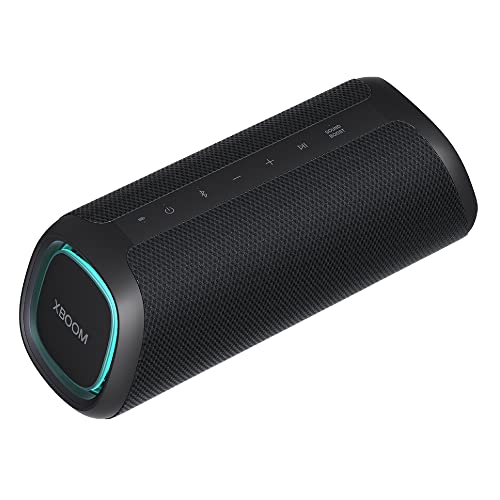
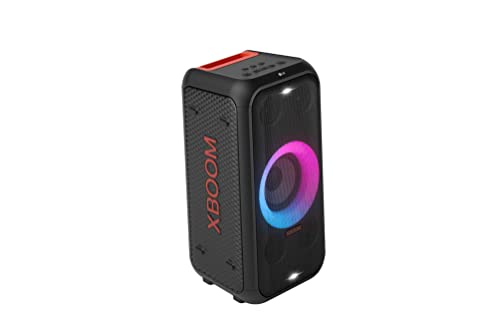
Gli altoparlanti portatili LG sono particolarmente adatti a chi vuole un’ampia scelta, EQ controllato dall’app, illuminazione e un percorso dai modelli compatti XBOOM Go agli speaker per ambienti a 360 gradi e ai sistemi da festa ad alta potenza con ingressi per microfono.
Gli altoparlanti portatili LG sono meno uniformi tra le generazioni perché le famiglie Music Flow, ThinQ, PK, PL, PN, XG, XL, ON e RNC usano app, standard di ricarica e metodi di collegamento diversi. I modelli più grandi sono apparecchi con ruote o maniglie, non speaker davvero facili da trasportare.
Il grafico seguente confronta i marchi di altoparlanti portatili in base al punteggio complessivo medio.
[horizontal-chart-16826570532110669241166463899741574182283116530753]
Quali sono i principali vantaggi degli altoparlanti portatili LG?
I principali vantaggi degli altoparlanti portatili LG sono i seguenti:
- Ampia gamma di formati: LG copre prodotti XBOOM Go tascabili, modelli più grandi a batteria, speaker per ambienti a 360 gradi, audio da gaming e sistemi da festa. Puoi così scegliere in base all’uso invece di costringere un solo stile di cabinet a servire ogni ambiente.
- Illuminazione e funzioni da festa: molti modelli XBOOM combinano illuminazione sincronizzata e comandi dall’app, mentre i prodotti XL, ON e RNC più grandi possono aggiungere ingressi per microfono o strumenti. Sono più adatti agli eventi sociali degli speaker minimalisti solo Bluetooth.
- Modelli utili per l’esterno: le attuali generazioni XBOOM Go includono diverse opzioni con codice IP, batterie pratiche e cabinet robusti. Modelli come XG o le famiglie Grab e Bounce più recenti sono più adatti a giardini e viaggi delle linee LG per la casa o per le feste.
- Controllo del suono flessibile: l’app XBOOM può offrire EQ, illuminazione, collegamento e regolazione delle modalità sui prodotti supportati. Chi ama regolare i bassi o coordinare più speaker ottiene più controllo rispetto a un design dal suono fisso.
- Prezzi competitivi: LG offre spesso potenza consistente, illuminazione o ingressi da festa a prezzi moderati. La gamma può offrire un rapporto funzioni-per-euro migliore dei marchi dal design premium, soprattutto nei formati più grandi.
Quali sono i principali svantaggi degli altoparlanti portatili LG?
I principali svantaggi degli altoparlanti portatili LG sono i seguenti:
- Nomenclatura complicata: i nomi PK, PL, PN, XG, XL, XO, ON, RNC, Music Flow e ThinQ descrivono generazioni e scopi molto diversi. Un numero apparentemente più alto non indica sempre un aggiornamento diretto.
- Supporto dell’app non uniforme: gli speaker più vecchi possono usare software LG fuori produzione o separato, mentre le funzioni XBOOM attuali differiscono per modello. EQ dell’app, collegamento e illuminazione vanno confermati sul prodotto esatto, non presunti dal logo.
- Portabilità variabile: i prodotti XBOOM Go sono facili da spostare, ma XL, ON, RNC e alcuni modelli Stage possono pesare molti chilogrammi e dipendere dalla rete elettrica. Ruote e maniglie facilitano il riposizionamento senza trasformarli in speaker da viaggio.
- Protezione dagli agenti atmosferici non uniforme: molti modelli attuali da esterno hanno codici IP utili, ma i prodotti per casa, gaming, 360 gradi e feste possono offrire una protezione limitata. Illuminazione e stile robusto non dimostrano la resistenza alla pioggia.
- Il suono varia per famiglia: i modelli compatti possono diventare sottili ad alto volume, mentre i grandi sistemi da festa spesso privilegiano l’impatto dei bassi rispetto all’equilibrio. Chi cerca un ascolto neutro dovrebbe provare la serie desiderata invece di giudicare LG come un’unica firma sonora.
Chi produce gli altoparlanti portatili LG?
Gli altoparlanti portatili LG sono prodotti da LG Electronics Inc., l’azienda sudcoreana di elettronica di consumo fondata nel 1958 come GoldStar. Nel 1959 l’azienda produsse la prima radio fabbricata internamente in Corea e in seguito si espanse in televisori, elettrodomestici, display, prodotti mobili e sistemi audio.
LG Electronics ha sede a Seul, in Corea del Sud, e opera all’interno del più ampio gruppo societario LG. È un importante produttore globale con attività proprie di sviluppo prodotto, design industriale, software e produzione e distribuzione internazionali.
LG sviluppa gli altoparlanti portatili principalmente con il nome XBOOM, mentre i vecchi prodotti Music Flow e ThinQ riflettono il suo lavoro nella casa connessa. La competenza più ampia in televisori, audio domestico ed elettrodomestici spiega l’attenzione della gamma a controllo dall’app, illuminazione, funzioni d’intrattenimento e integrazione negli ambienti interni.
Quali sono le principali serie di altoparlanti portatili LG?
Le principali serie di altoparlanti portatili LG sono le seguenti:
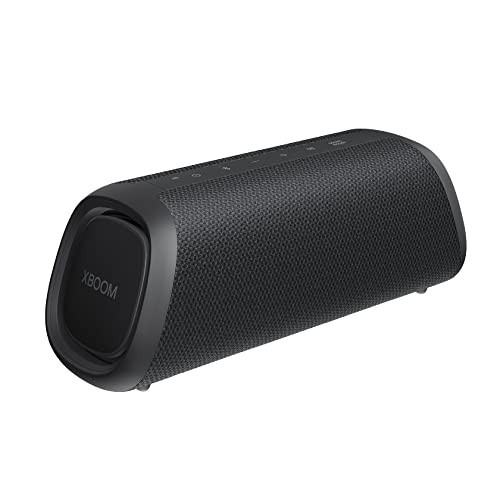
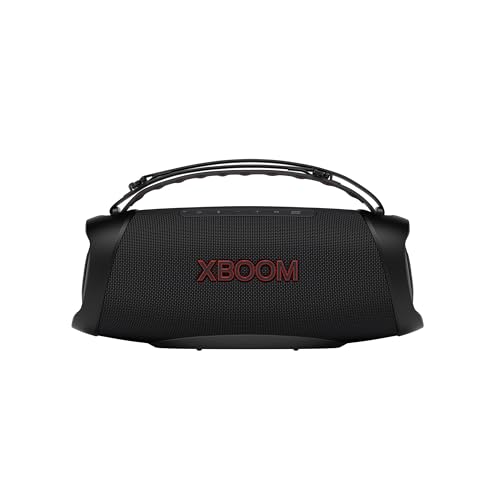
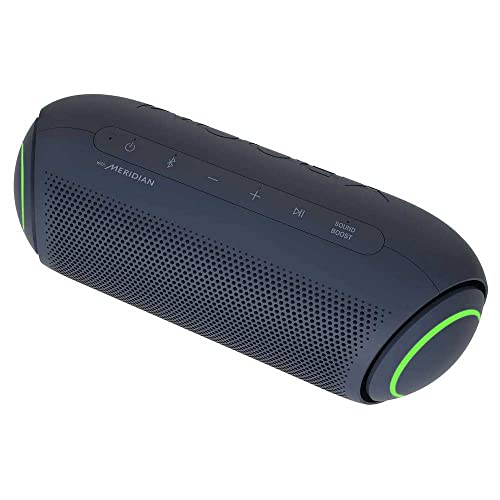
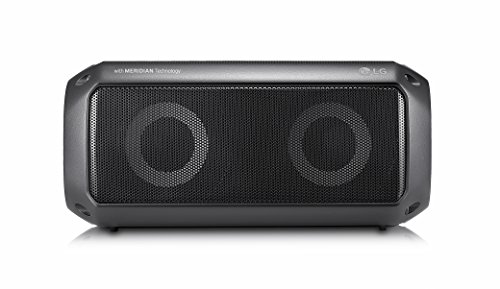
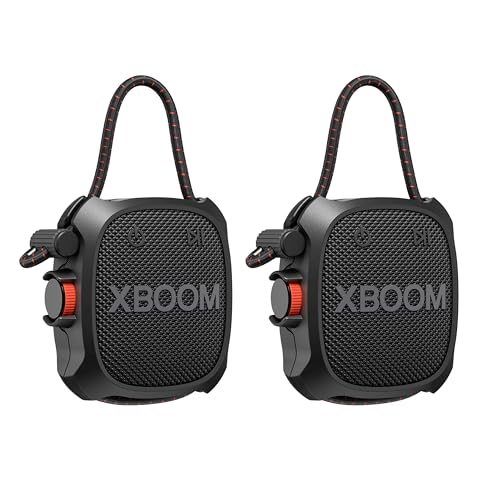
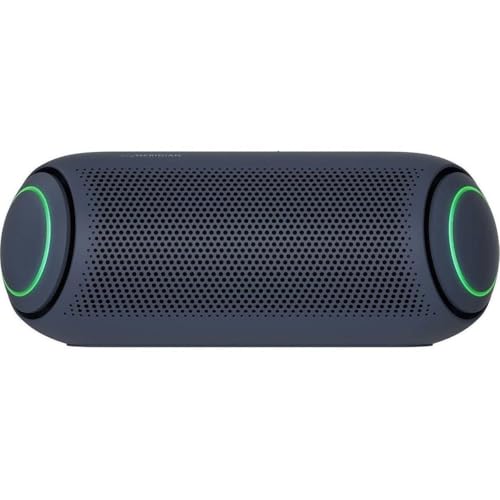
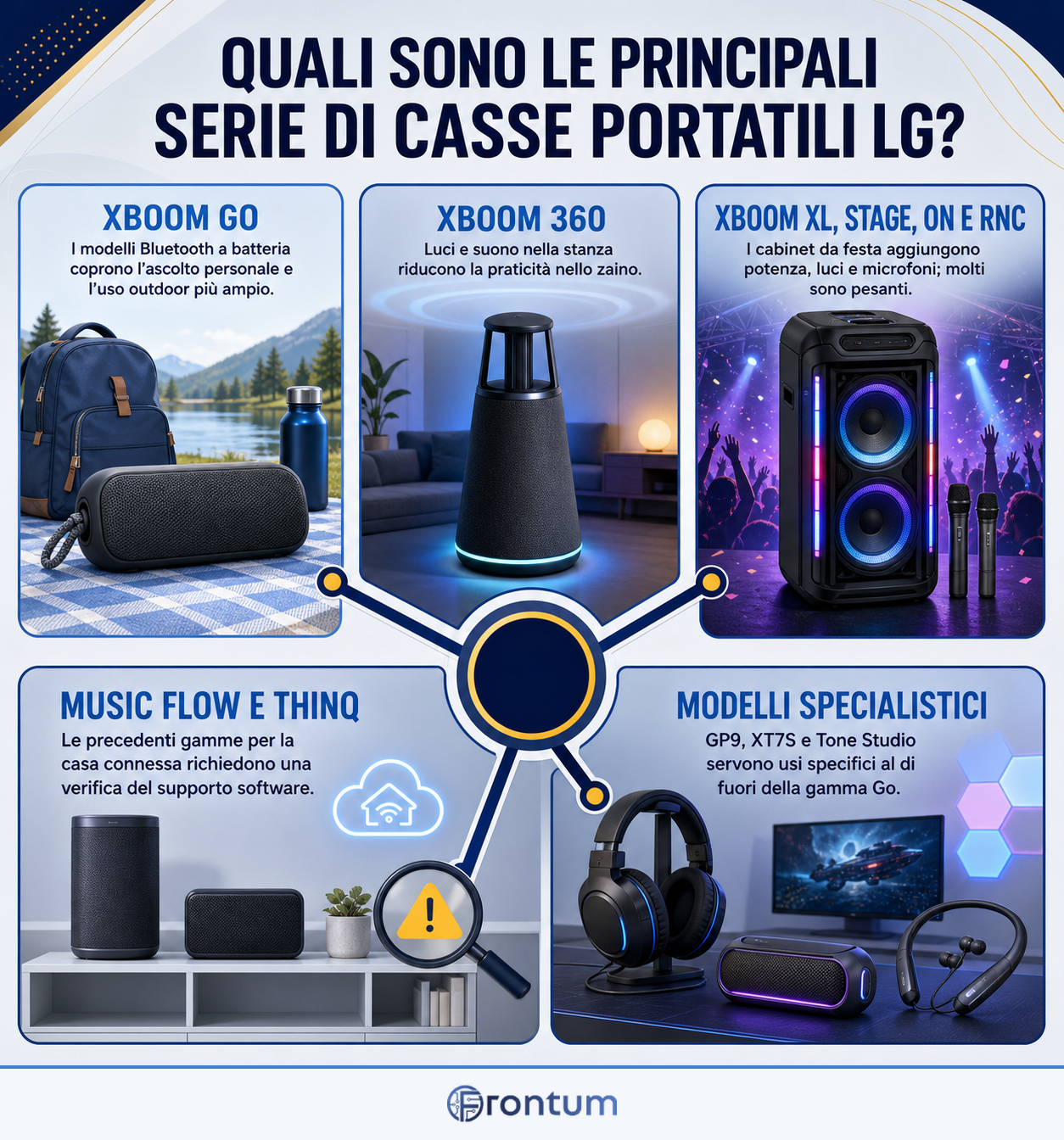
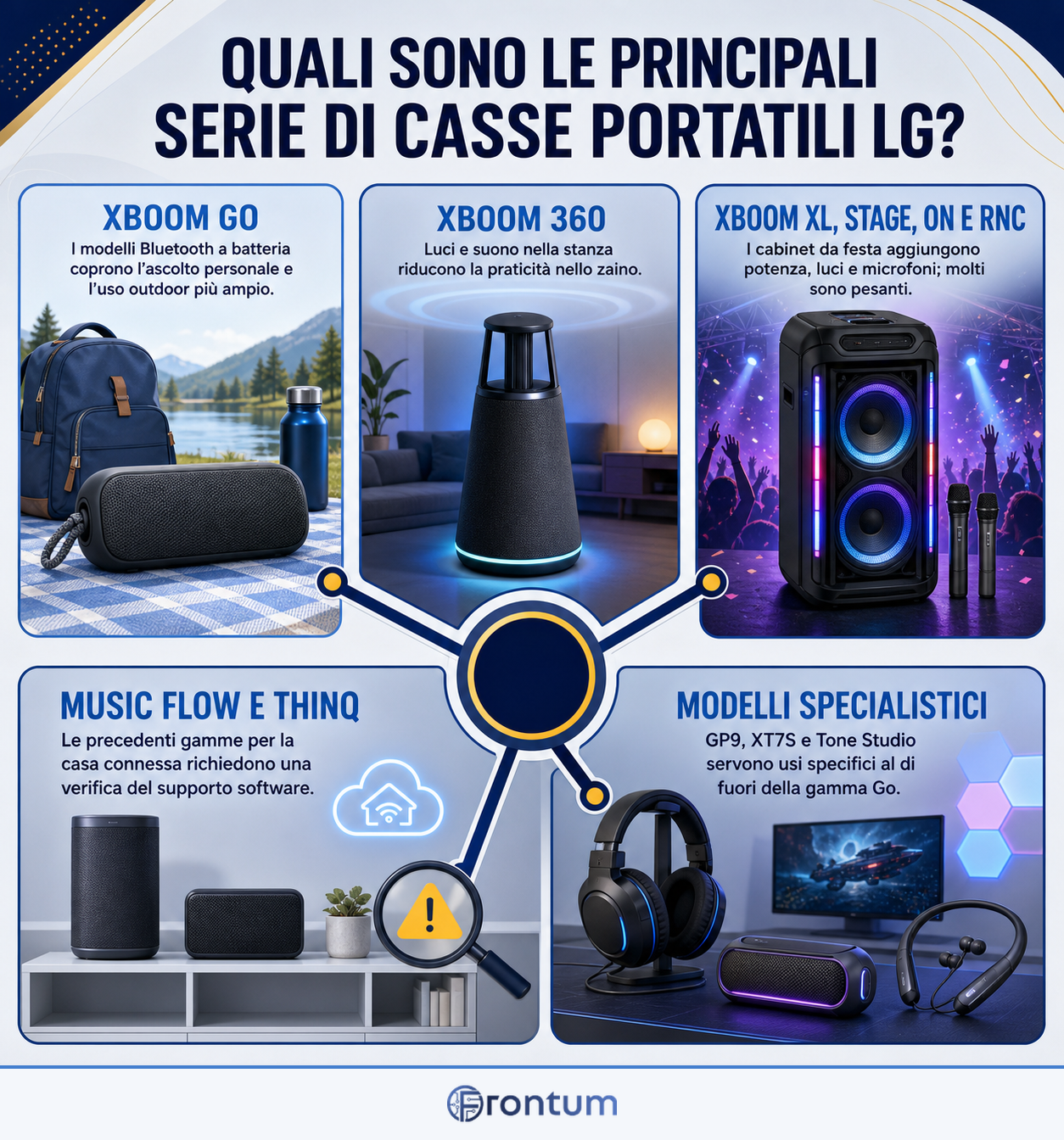
- XBOOM Go: PK, PL, PN, XG e i modelli Grab o Bounce più recenti formano la principale gamma Bluetooth alimentata a batteria di LG. Le versioni più piccole sono adatte all’ascolto personale, mentre XG7, XG8T e XG9 offrono più bassi, autonomia e copertura all’aperto.
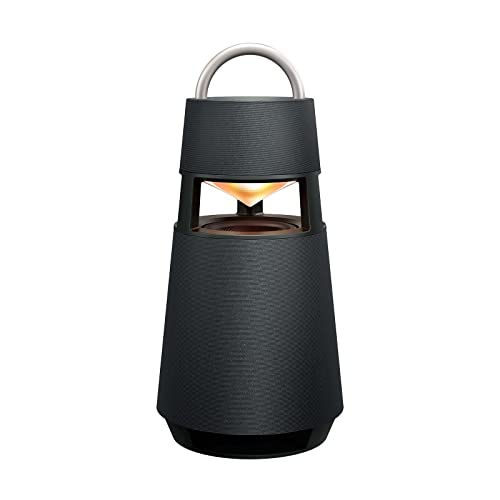
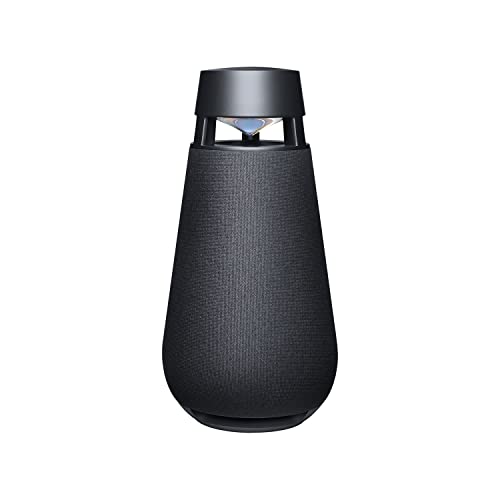
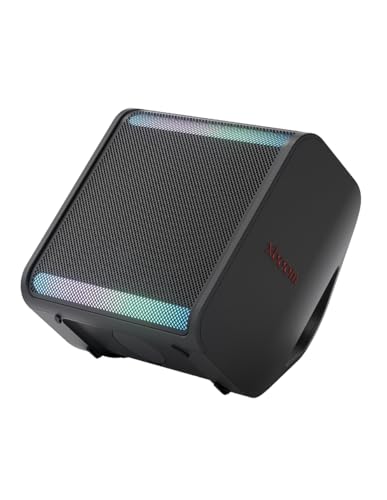
- XBOOM 360: RP4 e XO3 usano cabinet simili a lanterne e un’ampia dispersione del suono per stanze e spazi sociali. Illuminazione e presentazione sono caratteristiche centrali, ma risultano meno pratici negli zaini rispetto ai modelli Go cilindrici.
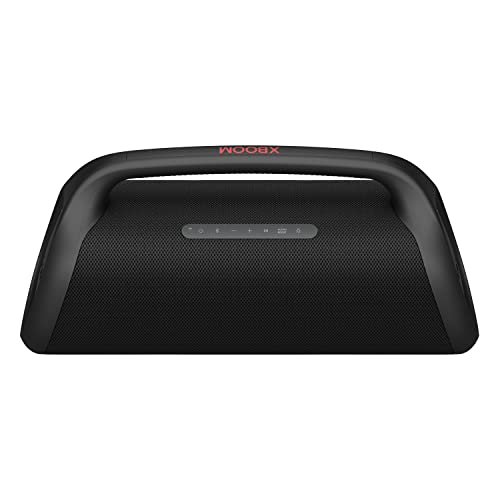
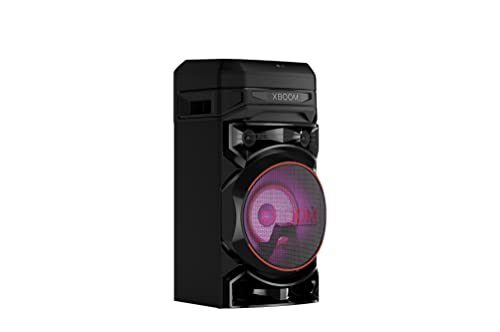
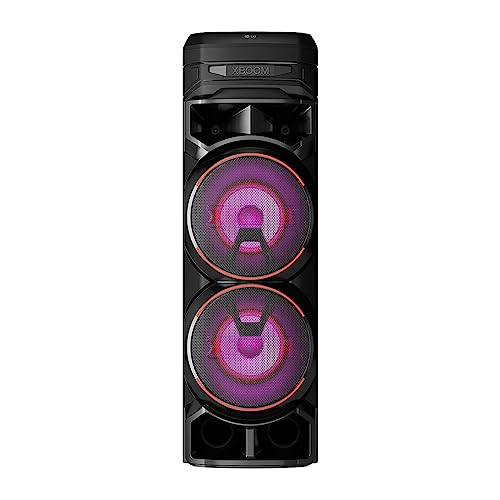
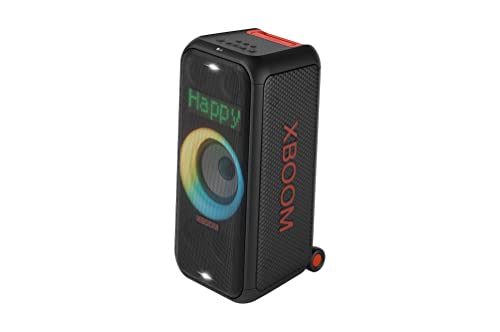
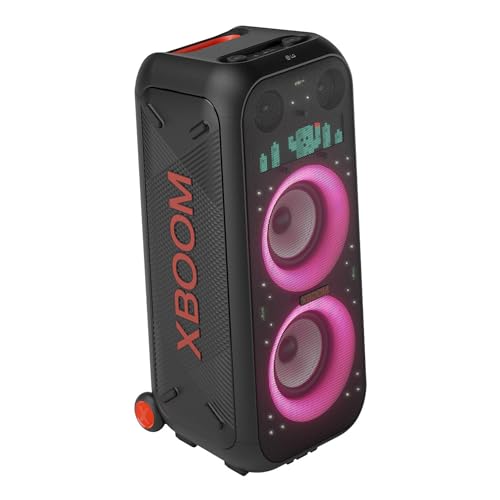
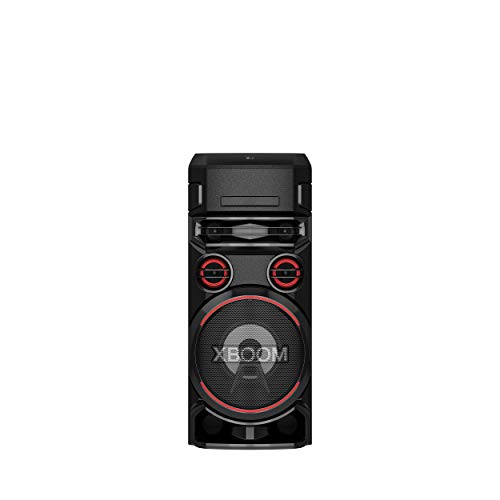
- XBOOM XL, Stage, ON e RNC: sono famiglie da festa più grandi, con amplificatori più potenti, illuminazione e alcuni ingressi per microfono o strumenti. Ruote o maniglie facilitano lo spostamento, ma molti modelli sono troppo pesanti per un trasporto occasionale.
- Music Flow e ThinQ: i prodotti Music Flow delle serie H e P e gli speaker smart WK appartengono a generazioni più vecchie per la casa connessa. Possono offrire Wi-Fi o funzioni di assistente, ma compatibilità software e supporto della piattaforma richiedono particolare attenzione.
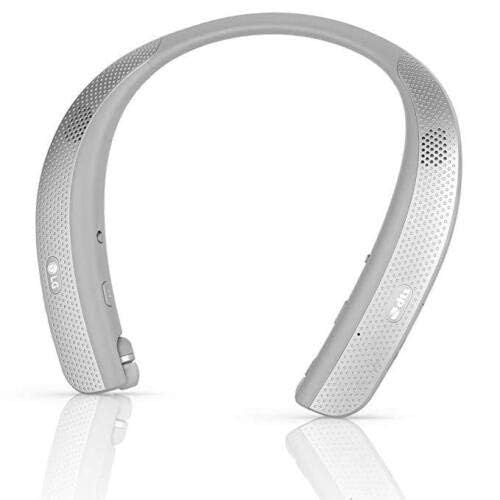
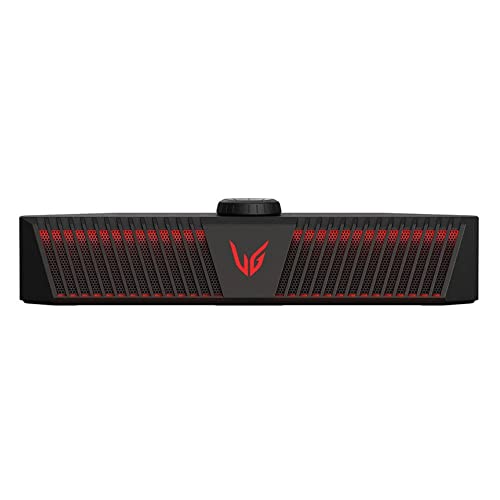
- Modelli specializzati: UltraGear GP9 è rivolto al gaming da scrivania, StanbyME XT7S si abbina al concetto di display mobile di LG e Tone Studio usa un formato indossabile. Questi prodotti risolvono casi d’uso specifici e non vanno confrontati direttamente con i tradizionali speaker XBOOM Go.
Quanto costano gli altoparlanti portatili LG?
Gli altoparlanti portatili LG costano generalmente circa 20–500 €. I modelli compatti XBOOM Go partono da circa 20–80 €, gli speaker PL, PN o XG principali si collocano spesso intorno a 100–180 € e i prodotti XG8T o UltraGear specializzati più grandi possono arrivare indicativamente a 250 €. Dimensioni della batteria, potenza, protezione, illuminazione e funzioni dell’app spiegano la maggior parte dei passaggi di prezzo nella gamma portatile.
XBOOM 360 e i prodotti da festa più piccoli costano tipicamente circa 150–350 €, mentre i grandi modelli XL, ON, RNC o Stage occupano circa la fascia 250–500 €. Confronta fonte di alimentazione e peso con la stessa attenzione del prezzo: un cabinet da festa da 400 € può essere molto più rumoroso di uno speaker compatto premium, ma molto più difficile da spostare e meno adatto all’uso all’aperto senza protezione.
Come si confrontano gli altoparlanti portatili LG con i modelli JBL?
Gli altoparlanti portatili LG si confrontano con i modelli JBL nelle seguenti aree:
- Gamma principale: JBL offre una progressione più chiara da Go e Clip passando per Flip, Charge, Xtreme e Boombox. La linea XBOOM Go di LG copre dimensioni simili, ma le generazioni PK, PL, PN, XG, Grab e Bounce richiedono un confronto più attento.
- Suono e taratura: JBL offre comunemente un suono diretto e orientato ai bassi, con un carattere di famiglia riconoscibile. LG varia di più per formato e spesso si affida a EQ nell’app, modalità d’illuminazione ed elaborazione da festa per modellare l’esperienza.
- Uso all’aperto: entrambi i marchi vendono modelli a batteria resistenti all’acqua, anche se JBL applica robustezza e collegamento in modo più uniforme nella sua attuale gamma portatile. LG può offrire un valore elevato quando il modello XBOOM esatto ha il codice IP richiesto.
- Sistemi da festa: LG compete con forza con i modelli XL, ON, RNC e Stage, che combinano illuminazione e ingressi a prezzi aggressivi. JBL PartyBox ha una gerarchia e un riconoscimento più chiari, ma può costare di più a dimensioni comparabili.
- Adattamento all’acquisto: scegli LG per illuminazione, funzioni dell’app, insoliti formati a 360 gradi o potenza da festa scontata. Scegli JBL per una selezione di modelli più semplice, un ecosistema da esterno più maturo e aggiornamenti più prevedibili tra le diverse dimensioni.
Cosa dovresti considerare scegliendo il miglior altoparlante portatile LG?
Quando scegli il miglior altoparlante portatile LG, considera i seguenti fattori:
- Famiglia e posizione: XBOOM Go va da circa 0,2 kg/3 W per PN1 a circa 1,1 kg/40 W per XG7, mentre XG9 arriva a circa 7,1 kg e 120 W. I modelli XBOOM 360 pesano circa 3,2–5,8 kg e offrono 50–120 W, mentre i cabinet da festa XL/Stage vanno da circa 6,7 kg/120 W a 27,5 kg/1.000 W: la posizione prevista deve quindi venire prima dei watt.
- Potenza e dispersione: i piccoli modelli XBOOM Go sono adatti all’ascolto personale, XBOOM 360 diffonde il suono nella stanza e i sistemi da festa più grandi sacrificano la facilità di trasporto per un margine molto maggiore. Confronta potenza pulita, controllo dei bassi, copertura direzionale rispetto a 360 gradi e distorsione alla distanza effettiva, invece di trattare il dato di potenza stampato come una classifica universale.
- Batteria e trasporto: i modelli XBOOM Go piccoli offrono circa 5–18 ore, i Go più potenti come PL7, XG7 e XG9 circa 24 ore e i modelli da festa in genere circa 10–20 ore quando hanno una batteria. Punta a 18–24 ore per l’uso all’aperto, poi confronta tempo di ricarica, supporto USB-C, ruote o maniglie e se illuminazione o potenza massima richiedono la rete elettrica.
- Protezione dagli agenti atmosferici: alcuni speaker XBOOM Go hanno codici IP adatti a pioggia o polvere, mentre speaker da festa, gaming e casa possono non avere una sigillatura significativa. Verifica il codice IP esatto e le regole sui copriporte del modello considerato: una griglia robusta e un cabinet grande non rendono impermeabile un sistema ON o Stage da interno.
- App, collegamento e generazioni: conferma la compatibilità con l’attuale app LG XBOOM, l’abbinamento stereo, il collegamento di più speaker e il sistema operativo del telefono. Le generazioni Music Flow e ThinQ possono dipendere da app o servizi di rete diversi, e due speaker con nomi XBOOM simili potrebbero non condividere lo stesso protocollo di abbinamento.
- Ingressi, illuminazione e funzioni da evento: i prezzi partono da circa 20–150 € per XBOOM Go, salgono a circa 140–350 € per XBOOM 360 e arrivano a circa 180–460 € per i modelli da festa RNC, Stage, ON o XL. XBOOM Go offre di solito una riproduzione Bluetooth più semplice, mentre i modelli da festa possono aggiungere effetti RGB, microfoni, ingressi per chitarra, riproduzione USB e AUX. Decidi quali ingressi servono, poi verificali sul modello esatto, perché una funzione di un sistema ON o Stage non va data per scontata su un fratello portatile Go.