Quali marche producono i migliori altoparlanti portatili per casa?
Le marche che producono i migliori altoparlanti portatili per casa sono le seguenti:
- JBL (Punteggio complessivo medio: 8.1)
- Ultimate Ears (Punteggio complessivo medio: 7.9)
- Anker (Punteggio complessivo medio: 7.9)
Il grafico seguente classifica le marche che producono altoparlanti portatili per casa in base al punteggio complessivo medio.
[horizontal-chart-16826570532110669241166463899741574182283116530753]
Quanto deve suonare bene un altoparlante portatile usato in casa?
Un altoparlante portatile usato in casa dovrebbe suonare equilibrato ai normali livelli di ascolto e distribuire voci e musica uniformemente nella stanza. Non servono watt di picco estremi per una camera da letto o una cucina, ma il modello dovrebbe mantenere le voci chiare e i bassi controllati quando il volume aumenta.
Circa 10–30 W sono di solito sufficienti per camera da letto, studio o cucina, mentre 30–60 W offrono più margine in un soggiorno grande; gli spazi open space possono richiedere una coppia stereo o un cabinet più grande. Un design a 360° è comodo quando le persone siedono attorno all'altoparlante, mentre un modello stereo direzionale può suonare più ampio da un'unica posizione d'ascolto.
Le superfici della stanza cambiano il risultato quanto la scheda tecnica. Pareti dure e pavimenti spogli accentuano i riflessi, gli angoli possono rendere i bassi rimbombanti e una libreria può bloccare un radiatore posteriore. Posiziona l'altoparlante all'altezza delle orecchie quando possibile, lascia spazio intorno ai radiatori passivi e valuta il suono al livello che userai davvero, non al volume massimo.
Quali connessioni sono più utili sugli altoparlanti portatili per uso domestico?
Le connessioni più utili sugli altoparlanti portatili per uso domestico sono le seguenti:
- Wi‑Fi e multi-room: il Wi‑Fi può offrire una riproduzione più stabile in tutta la casa, streaming di qualità superiore e servizi come AirPlay, Chromecast o Spotify Connect. Conferma quale ecosistema è supportato e se l'altoparlante funziona ancora via Bluetooth quando la rete domestica non è disponibile.
- Bluetooth: il Bluetooth resta il collegamento più semplice per ospiti, telefoni e contenuti locali. Il multipoint è utile quando due persone condividono l'altoparlante, ma verifica come le chiamate interrompono la riproduzione e se il modello si riconnette al dispositivo desiderato.
- Ingresso AUX e line-in: un ingresso da 3,5 mm offre una riproduzione a bassa latenza e prevedibile da televisore, preamplificatore per giradischi, laptop o vecchio lettore. Verifica se la presa è solo d'ingresso e se il cavo è incluso.
- Audio USB e ricarica: USB-C potrebbe servire solo a caricare l'altoparlante, mentre l'audio USB è una funzione separata. Controlla i formati supportati, la velocità di ricarica e se l'altoparlante può riprodurre mentre è in carica quando resterà su una scrivania.
- Abbinamento stereo: due altoparlanti uguali possono creare un'immagine sinistra-destra più ampia in soggiorno. Conferma se l'abbinamento stereo funziona con l'ingresso scelto e se entrambe le unità devono restare entro la portata Bluetooth.
- Controllo vocale e supporto dell'app: un'app complementare può offrire EQ, raggruppamento delle stanze, aggiornamenti firmware e impostazioni di riproduzione. Il supporto agli assistenti vocali dipende dalla piattaforma e dalla rete, quindi non presumere che ogni modello con un'app supporti il controllo a mani libere.
Quali caratteristiche dovrebbe avere un buon altoparlante portatile per casa?
Un buon altoparlante portatile per casa dovrebbe avere le seguenti caratteristiche:
- Suono e copertura adatti alla stanza: un modello compatto da 5–20 W come Bose Flex o JBL Flip è adatto a camera da letto o cucina, mentre modelli da circa 30–60 W come JBL Charge o Sonos Move offrono più margine in soggiorno. Scegli una dispersione a 360° se le persone si spostano nella stanza, oppure un design stereo direzionale se il divano o la scrivania sono la posizione d'ascolto principale.
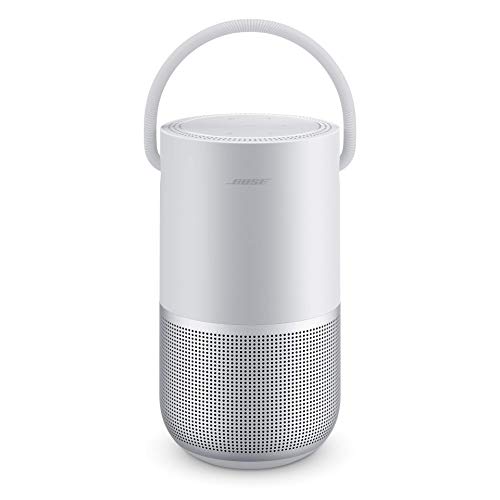
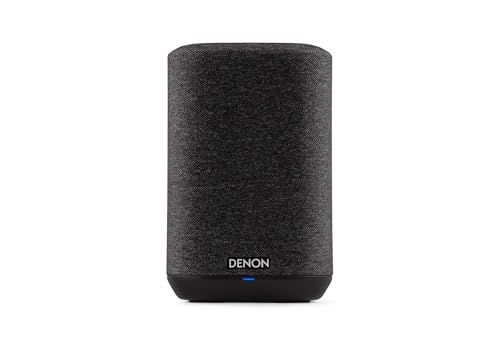
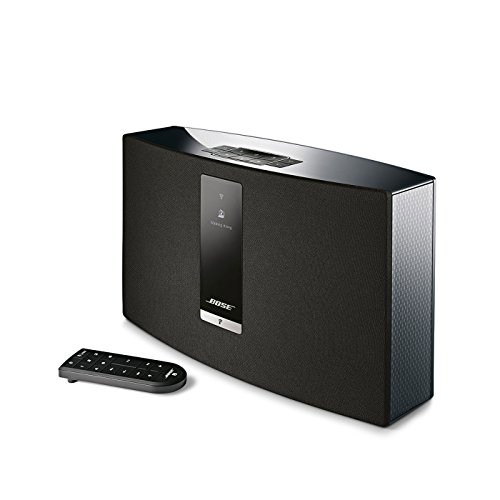
- Wi‑Fi e Bluetooth insieme: Wi‑Fi, AirPlay, Chromecast o Spotify Connect possono fornire la riproduzione diretta in tutta la casa, mentre Bluetooth mantiene semplici i telefoni degli ospiti e i contenuti locali. Modelli come Sonos Move, Denon Home e Bose Portable Smart puntano sulle funzioni di rete; verifica che l'ecosistema scelto accetti ancora il Bluetooth quando router o account non sono disponibili.
- Controllo utile del suono: EQ nell'app, regolazione di bassi/acuti, correzione ambientale o alcuni preset chiari possono correggere una cucina brillante o un angolo rimbombante più efficacemente di una potenza extra. Controlla se i comandi funzionano senza app e se l'altoparlante ripristina ingresso e volume precedenti dopo lo standby.
- Espansione stereo e multi-room: due altoparlanti identici possono creare un'immagine sinistra-destra più ampia, mentre il multi-room riproduce la stessa musica in più stanze. Conferma piattaforma, generazione, limitazioni degli ingressi e distanza di abbinamento esatti; una coppia stereo Bluetooth non è automaticamente compatibile con gruppi Wi‑Fi multi-room o con un'altra famiglia di modelli.
- Alimentazione e ricarica flessibili: una batteria integrata di circa 8–24 ore consente di spostare l'altoparlante tra le stanze, mentre un adattatore di rete o una base di ricarica è adatto a una posizione quasi fissa. Controlla USB-C, riproduzione durante la ricarica, consumo in standby, tempo di ricarica e se l'altoparlante offre tutta la potenza a batteria, non solo dalla parete.
- Controlli pratici e privacy: pulsanti fisici per volume e riproduzione, un comando mute chiaro e lo standby automatico rendono l'uso quotidiano più semplice della gestione solo tramite app. Microfoni per assistente vocale o chiamate possono essere utili, ma preferisci un mute hardware visibile e verifica se il modello registra o ascolta quando il microfono è attivo.
Quanto costano i buoni altoparlanti portatili per casa?
I buoni altoparlanti portatili per casa costano generalmente circa 50–600 €, mentre i modelli premium con Wi‑Fi, multi-room e cabinet grandi arrivano a 1,000 € o più. Gli altoparlanti entry-level intorno a 50–100 € coprono l'ascolto occasionale in camera e cucina; la fascia 100–250 € aggiunge più spesso bassi potenti, migliore immagine stereo, EQ nell'app e maggiore autonomia.
Oltre circa 250 €, cerca un miglioramento concreto come integrazione multi-room, potenza capace di riempire la stanza, abbinamento stereo, driver premium o un cabinet più raffinato invece di pagare solo una batteria più grande. Se l'altoparlante resterà in una sola stanza, un modello Wi‑Fi capace di funzionare a rete può offrire più valore che pagare una robustezza portatile che non userai mai.