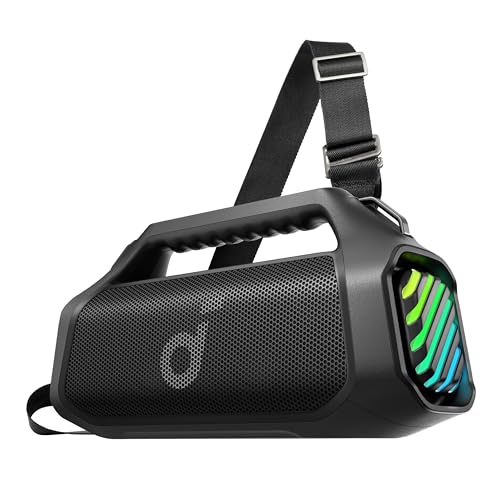
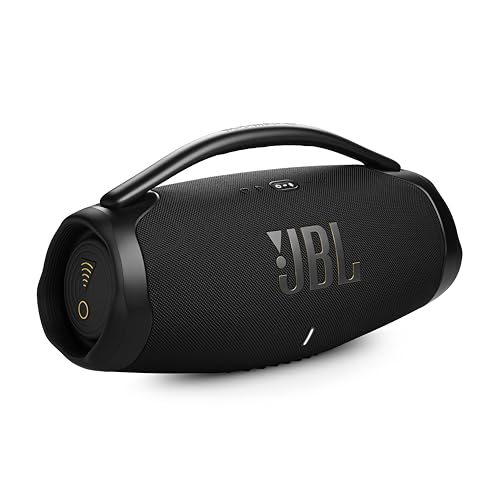
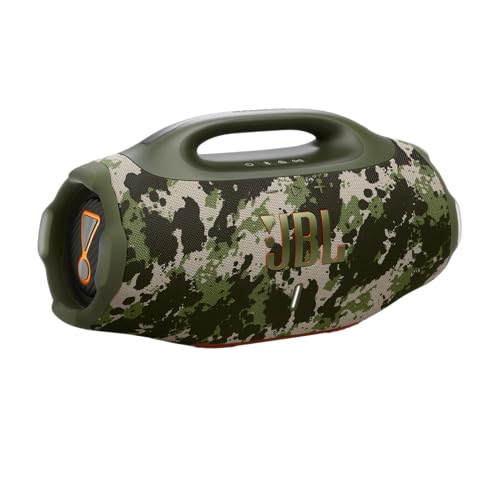
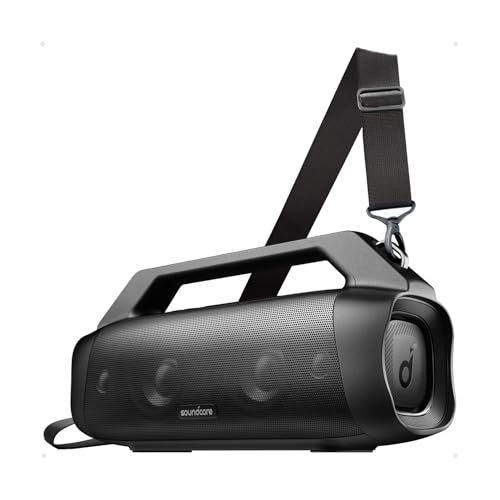
Quali marche producono i migliori altoparlanti portatili con microfoni?
Le marche che producono i migliori altoparlanti portatili con microfoni sono le seguenti:
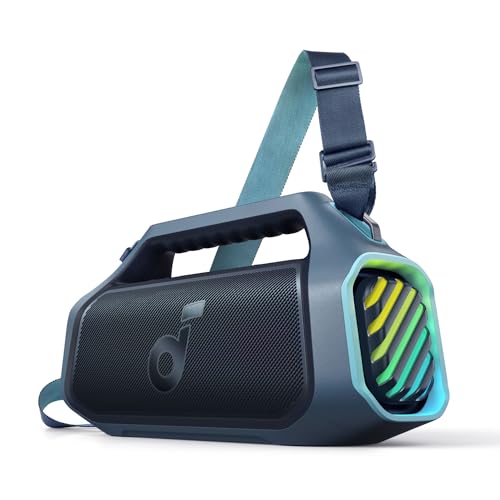
- Anker (Punteggio complessivo medio: 7.8)
- Huawei (Punteggio complessivo medio: 7.8)
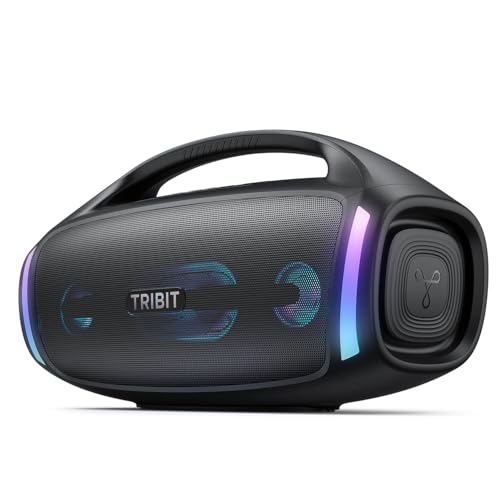
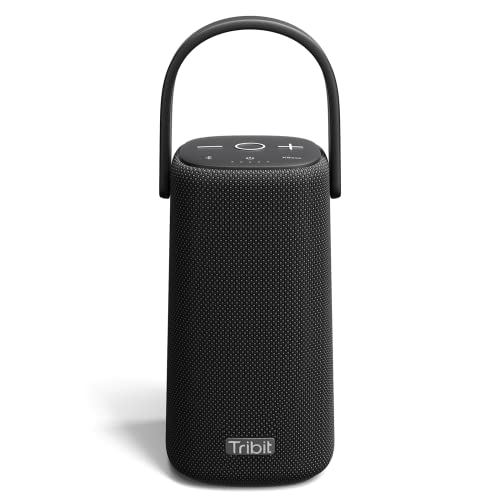
- Tribit (Punteggio complessivo medio: 7.7)
Il grafico seguente classifica le marche che producono altoparlanti portatili con microfoni in base al punteggio complessivo medio.
[horizontal-chart-14105460214924116740027907329198915776793134269715]
Come funziona un microfono su un altoparlante portatile?
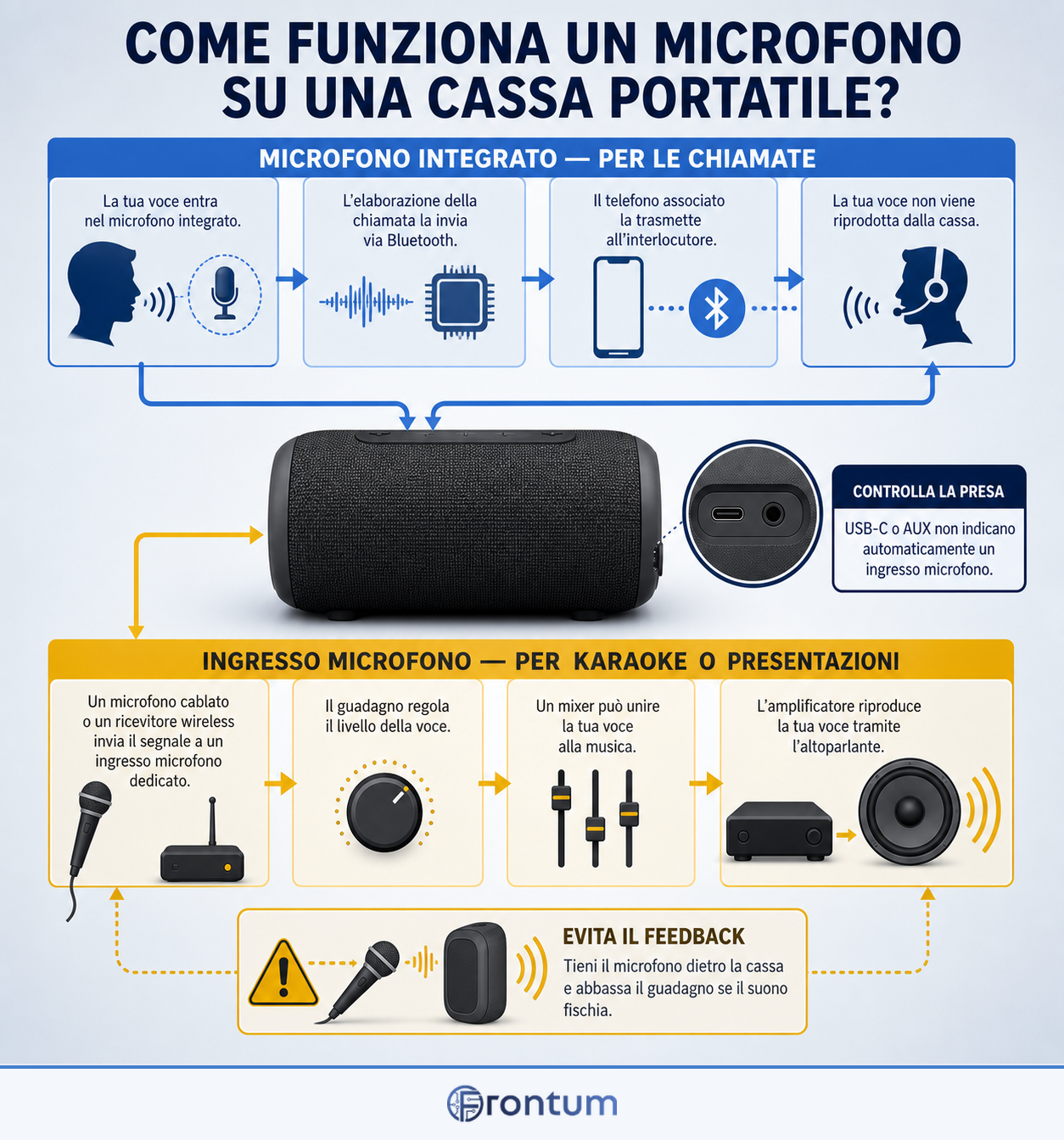
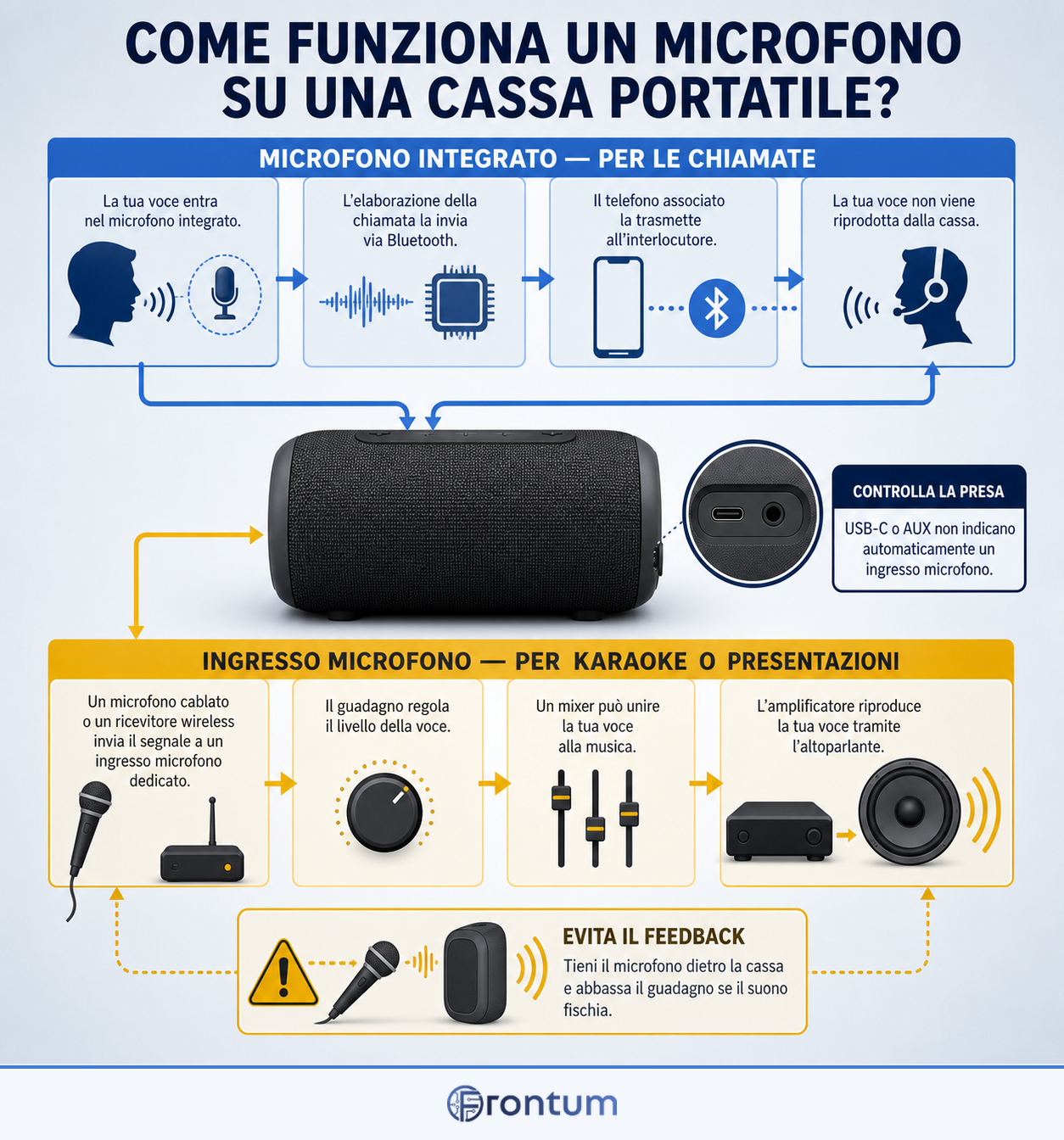
Un microfono su un altoparlante portatile converte la tua voce in un segnale audio elaborato per una chiamata Bluetooth o per l’amplificazione locale. Un microfono integrato normalmente invia la voce a un telefono o computer associato tramite un profilo per chiamate in vivavoce; non fa automaticamente riprodurre la tua voce dall’altoparlante.
Per karaoke, presentazioni o annunci, l’altoparlante deve avere un ingresso dedicato per microfono cablato o un ricevitore compatibile per microfono wireless. Il segnale viene miscelato con la musica e inviato all’amplificatore dell’altoparlante, mentre i controlli del guadagno o del volume del microfono regolano il livello della voce. Tieni il microfono dietro e lontano dall’altoparlante e riduci il guadagno se inizia il feedback; una presa USB-C o AUX non è necessariamente un ingresso per microfono.
Quanto sono chiare le chiamate sugli altoparlanti portatili con microfoni?
Le chiamate sugli altoparlanti portatili con microfoni possono essere abbastanza chiare per conversazioni individuali in una stanza silenziosa, ma nella rumorosità e nel riverbero la maggior parte è meno costante di un telefono o di un altoparlante per conferenze dedicato. La qualità della voce dipende dalla posizione del microfono, dal controllo dell’eco e dalla distanza tra l’altoparlante e la persona che parla.
Un singolo microfono integrato funziona al meglio a circa un braccio di distanza. Più microfoni, il beamforming e la riduzione del rumore possono migliorare la captazione su un tavolo, mentre il supporto full-duplex permette a entrambi gli interlocutori di parlare naturalmente senza interrompere una delle due parti.
L’acustica della stanza pone comunque un limite: le pareti dure creano eco, un volume di riproduzione elevato può rientrare nel microfono e il vento sovrasta molti modelli compatti all’aperto. Posiziona l’unità al centro, lontano dagli angoli riflettenti, e provala con l’app di chiamata e il dispositivo che userai davvero.
Quali funzioni del microfono e del Bluetooth migliorano le chiamate sugli altoparlanti portatili?
Le seguenti funzioni del microfono e del Bluetooth migliorano le chiamate sugli altoparlanti portatili:
- Riduzione del rumore e cancellazione dell’eco: la riduzione del rumore sopprime i suoni di fondo costanti, mentre la cancellazione acustica dell’eco impedisce all’interlocutore remoto di sentire il suono dell’altoparlante restituito dal microfono. Entrambe contano più del numero di microfoni in una stanza piccola e silenziosa.
- Beamforming o array di microfoni: due o più microfoni possono concentrare la captazione verso chi parla e coprire un tavolo più ampio. Il vantaggio dipende dalla qualità dell’elaborazione, quindi un array non è automaticamente più chiaro di un singolo microfono ben posizionato.
- Chiamate full-duplex: il full-duplex permette a entrambe le persone di parlare contemporaneamente senza che una voce venga silenziata. Il comportamento half-duplex ricorda un walkie-talkie ed è faticoso durante una conversazione rapida.
- Bluetooth multipoint: il multipoint mantiene l’altoparlante collegato a due dispositivi sorgente e riduce i ritardi di riconnessione quando le chiamate passano da un telefono a un laptop. Verifica come l’altoparlante dà priorità a una chiamata in arrivo e se entrambi i dispositivi supportano la stessa modalità.
- Bluetooth e profili di chiamata recenti: Bluetooth 5.x può migliorare portata e stabilità della connessione, mentre le chiamate in vivavoce dipendono dal supporto compatibile HFP o HSP. Un numero di versione più recente da solo non garantisce una migliore elaborazione del microfono.
- Controlli di disattivazione e chiamata: pulsanti dedicati per rispondere, terminare la chiamata e disattivare il microfono danno un feedback più chiaro dei soli controlli nell’app. Un indicatore di disattivazione visibile o acustico aiuta a evitare che il microfono resti aperto per errore.
Il grafico seguente mostra se gli altoparlanti portatili con microfoni includono un microfono con cancellazione del rumore.
[pie-chart-02830306127972775424069479330380510827161256490979]
Quanto costano gli altoparlanti portatili con microfoni?
Gli altoparlanti portatili con microfoni costano generalmente circa 30–250 €, mentre i modelli premium per conferenze, feste e sistemi multiroom possono costare molto di più. I modelli base intorno a 30–70 € offrono di solito chiamate in vivavoce essenziali; la fascia 70–150 € aggiunge più spesso un suono più potente, una maggiore autonomia, controlli migliori e un’elaborazione della voce più affidabile.
Oltre i 150 € circa, cerca un miglioramento funzionale concreto, come un array di microfoni, chiamate full-duplex, associazione multipoint, certificazione per conferenze, ingressi per microfono o strumento oppure un sistema audio più grande. Pagare di più soprattutto per la potenza d’uscita o lo stile non rende necessariamente le chiamate più chiare.
Cosa dovresti controllare prima di acquistare un altoparlante portatile con microfono?
Prima di acquistare un altoparlante portatile con microfono, controlla i seguenti fattori:
- Ambiente delle chiamate: un singolo microfono a distanza ravvicinata è sufficiente per chiamate personali in ambienti silenziosi, ma un tavolo da riunione richiede una captazione più ampia, controllo dell’eco e preferibilmente il funzionamento full-duplex. Per ambienti rumorosi o l’uso all’aperto, dai priorità alla riduzione del rumore verificata e alla gestione del vento invece che a una maggiore potenza dell’altoparlante.
- Sistema del microfono: in questa categoria prevale il microfono singolo, mentre più microfoni o il beamforming possono coprire più direzioni. Verifica la distanza utile di conversazione e se il microfono è pensato per chiamate, assistenti vocali, karaoke o un microfono cablato esterno, perché sono funzioni diverse.
- Comportamento Bluetooth: Bluetooth 5.x è un punto di partenza pratico per portata e stabilità, ma il supporto dei profili di chiamata HFP/HSP e il multipoint determinano la reale comodità nelle chiamate. Prova a passare da un telefono a un laptop e verifica se una chiamata interrompe la musica in modo corretto.
- Duplex, eco e controlli di disattivazione: il full-duplex impedisce alle voci di interrompersi a vicenda, la cancellazione acustica dell’eco riduce i rientri e un pulsante dedicato di disattivazione offre un controllo affidabile della privacy. Uno stato di disattivazione visibile o vocale è preferibile a un’indicazione disponibile solo nell’app.
- Riproduzione e batteria: circa 4–20 W sono sufficienti per chiamate ravvicinate e musica normale, mentre gli ambienti più grandi possono richiedere più margine. Punta ad almeno 10–12 ore di autonomia dichiarata e controlla se il volume elevato delle chiamate, l’illuminazione o la ricarica USB di un altro dispositivo la riducono.
- Porte e compatibilità con l’app: AUX, audio USB, ingressi per microfono e app complementari sono capacità separate, non vantaggi automatici di USB-C o Bluetooth. Verifica il sistema operativo esatto, la piattaforma di chiamata, il supporto del firmware e i requisiti del cavo prima di affidarti all’altoparlante per il lavoro.