Quali marchi producono i migliori altoparlanti portatili potenti?
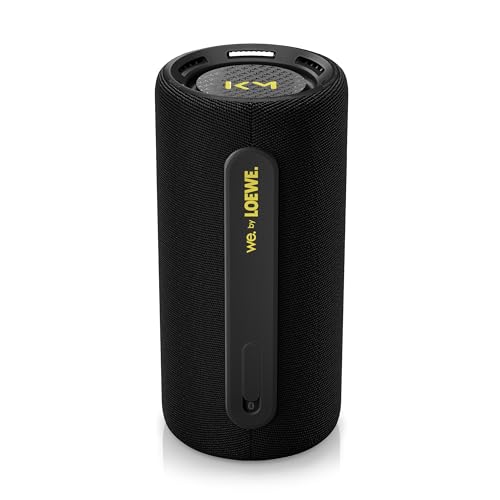
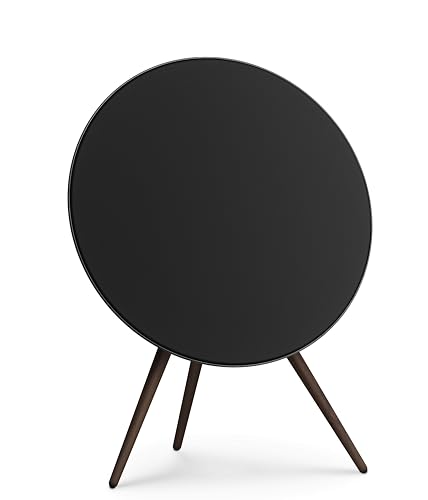
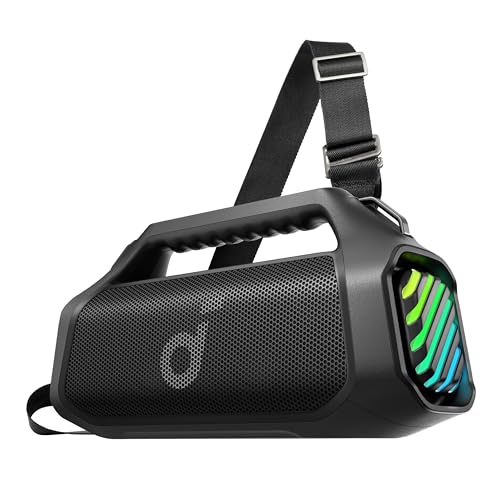
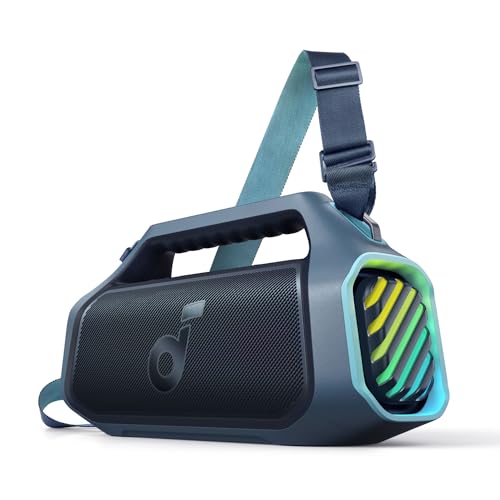
I marchi che producono i migliori altoparlanti portatili potenti sono:
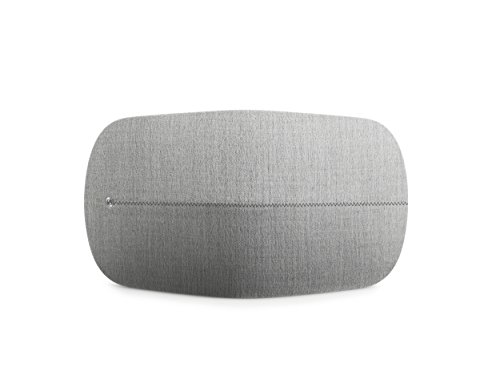
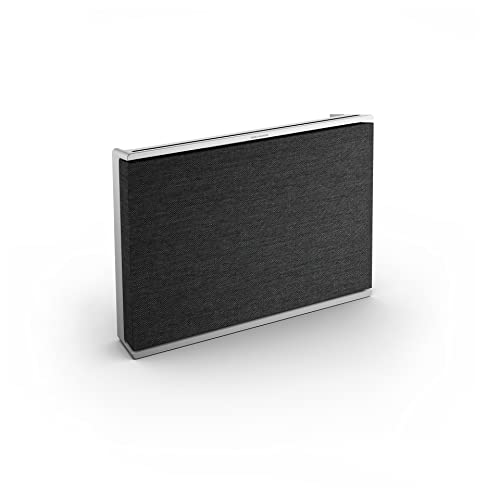
- Bang & Olufsen (Punteggio medio complessivo: 7.6)
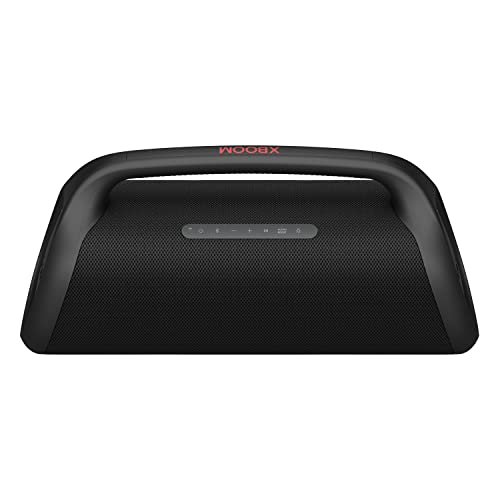
- LG (Punteggio medio complessivo: 7.5)
- JBL (Punteggio medio complessivo: 7.5)
Il grafico seguente classifica i marchi che producono altoparlanti portatili potenti in base al punteggio complessivo medio.
[horizontal-chart-10628006349454636190131704721296054340920086143549]
Quale potenza di uscita è considerata potente per un altoparlante portatile?
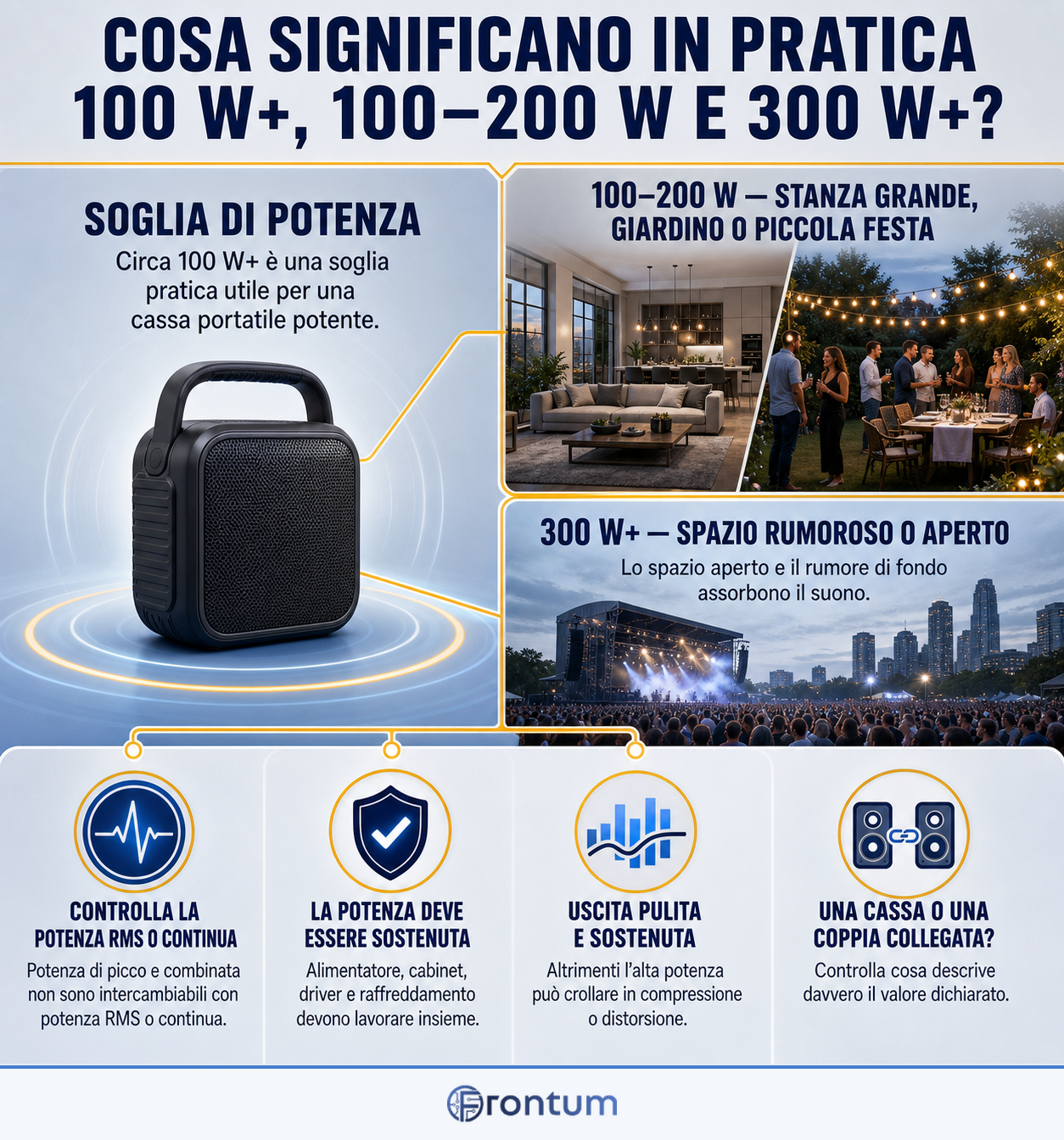
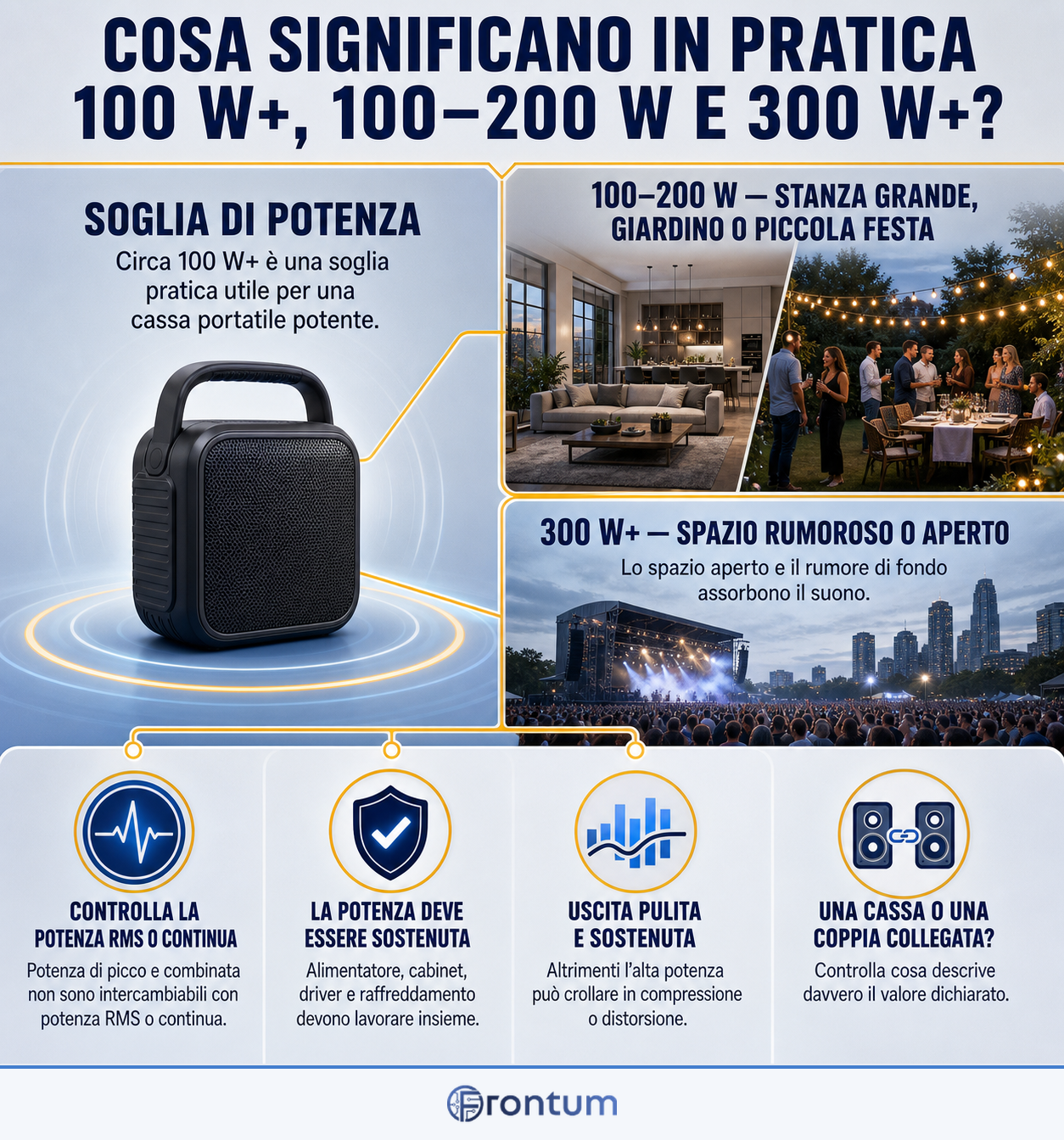
Per un altoparlante portatile, una potenza audio dichiarata di circa 100 W o più è una soglia pratica per definirlo potente, ma il numero va letto insieme al metodo di misurazione. Alcuni marchi dichiarano la potenza di picco o quella combinata dei driver, mentre altri pubblicano la potenza RMS o continua; queste cifre non sono intercambiabili.
Circa 100–200 W sono adatti a una stanza grande, a un giardino o a una piccola festa, mentre 300 W e oltre sono più utili quando rumore di fondo e spazi aperti assorbono il suono. Una potenza maggiore aiuta solo quando alimentazione, cabinet, driver e progetto termico possono sostenerla senza forte compressione o distorsione.
Cerca la modalità dichiarata, l’impedenza, il numero di canali e verifica se il valore descrive un solo altoparlante o una coppia collegata.
Il grafico sotto mostra la distribuzione della potenza di uscita audio degli altoparlanti portatili potenti.
[vertical-chart-04037025560077743772036590786439160765004222293529]
Quanto suonano forte gli altoparlanti portatili potenti?
Gli altoparlanti portatili potenti possono raggiungere livelli davvero elevati, ma il volume dipende da sensibilità, progetto del cabinet, frequenza, distanza e limiti di distorsione oltre che dai watt. Un modello da circa 100–200 W può essere abbastanza forte per una stanza grande o un piccolo raduno all’aperto, mentre i sistemi da festa più grandi sono progettati per mantenere voci e bassi udibili in uno spazio più rumoroso.
Valori di pressione sonora vicini a 95–105 dB SPL sono già alti per l’ascolto normale, e oltre 110 dB SPL dovrebbero essere considerati un’uscita da festa di breve durata, non un obiettivo per l’uso continuo. Ogni raddoppio della distanza riduce notevolmente il suono diretto, quindi un altoparlante che sembra enorme accanto all’ascoltatore può avere bisogno di più margine per coprire un giardino.
Usa il limitatore, l’equalizzatore e il posizionamento dell’altoparlante per mantenere il risultato pulito. Aumentare il rinforzo dei bassi o usare la batteria quasi scarica può attivare la compressione, e due altoparlanti collegati possono distribuire il suono più efficacemente di una sola unità spinta al limite. Proteggi l’udito e controlla le norme locali sul rumore quando usi una potenza elevata all’aperto.
Quanto costano gli altoparlanti portatili potenti?
Gli altoparlanti portatili potenti costano generalmente circa 150–1.500 €, mentre i sistemi premium ad alta potenza possono arrivare a 3.000 € o più. I modelli potenti entry-level intorno a 150–350 € offrono di solito la potenza soglia, Bluetooth di base e una batteria modesta; la fascia 350–800 € aggiunge più spesso bassi robusti, miglior controllo del cabinet, collegamento stereo, resistenza all’acqua e maggiore autonomia ad alto volume.
Oltre circa 800 €, cerca un vantaggio specifico come un’uscita più pulita, una pressione sonora maggiore, batterie sostituibili, funzionamento da rete, ingressi professionali o un sistema da festa più robusto. Pagare di più solo per un numero di watt di picco offre poco valore se l’altoparlante va presto in clipping, pesa troppo da spostare o non può mantenere una riproduzione forte lontano da una presa.
Cosa dovresti controllare prima di acquistare un altoparlante portatile potente?
Prima di acquistare un altoparlante portatile potente, controlla i seguenti fattori:
- Potenza continua e metodo di misurazione: Conferma se i 100 W o più dichiarati sono RMS, continui, di picco o un valore combinato di più driver. Preferisci una misurazione continua chiaramente indicata e controlla impedenza e condizioni del test prima di confrontare i marchi.
- Pressione sonora e margine pulito: Un obiettivo pratico è circa 95–105 dB SPL per una stanza grande o un piccolo gruppo all’aperto, riservando valori maggiori agli spazi più grandi. Ascolta compressione e asprezza alla distanza richiesta invece di presumere che più watt significhino sempre un suono più pulito.
- Batteria ad alto volume: Le autonomie dichiarate usano di solito un volume moderato e possono escludere il rinforzo dei bassi o l’illuminazione. Punta ad almeno 8–12 ore per l’uso mobile, controlla la stima ad alto volume e considera una batteria sostituibile o un ingresso di rete per gli eventi lunghi.
- Peso e trasporto: I cabinet potenti pesano comunemente 3–15 kg, e i sistemi da festa possono essere ancora più pesanti. Maniglie, ruote, una base stabile e punti di sollevamento bilanciati possono contare più di un piccolo aumento della potenza quando l’altoparlante deve superare scale o terreni irregolari.
- Bassi, dispersione e accoppiamento: Driver grandi e radiatori passivi possono aggiungere bassi, mentre la dispersione a 360° aiuta i gruppi e l’accoppiamento stereo migliora l’ampiezza. Conferma che l’altoparlante mantenga la potenza completa in modalità festa o stereo e verifica se serve una seconda unità.
- Protezione e connessioni: Per l’uso all’aperto, preferisci una classificazione IP dichiarata, comandi sigillati, Bluetooth multipoint, AUX, USB-C e gli ingressi per microfono o strumento che ti servono davvero. Controlla se ricarica, alta potenza e protezione dall’acqua possono essere usate insieme o impongono limiti separati.