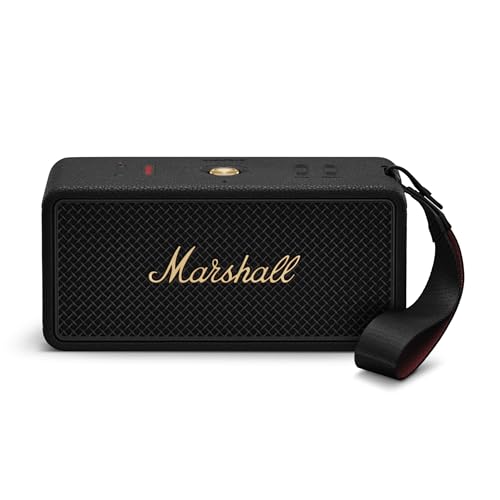
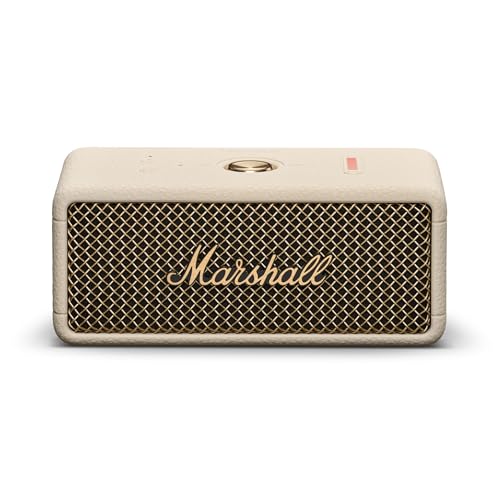
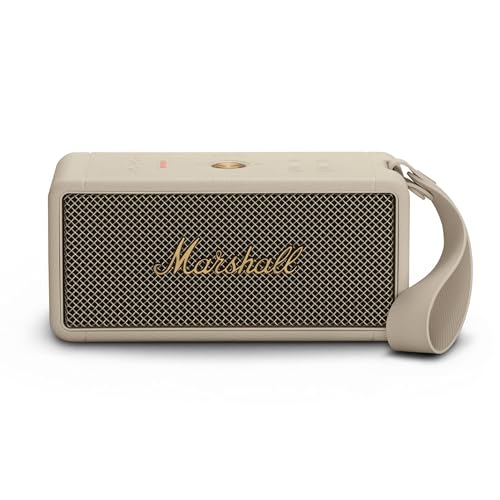
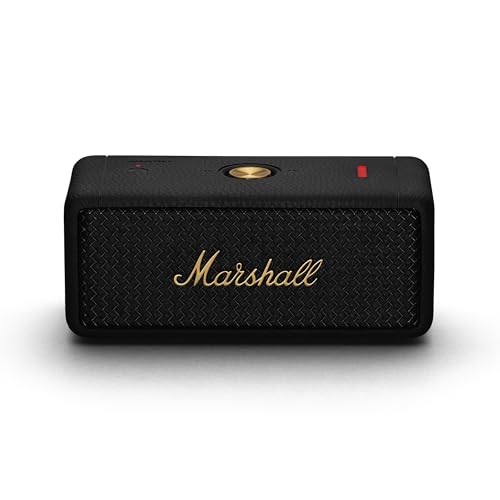
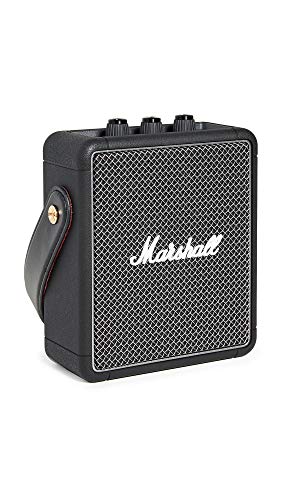
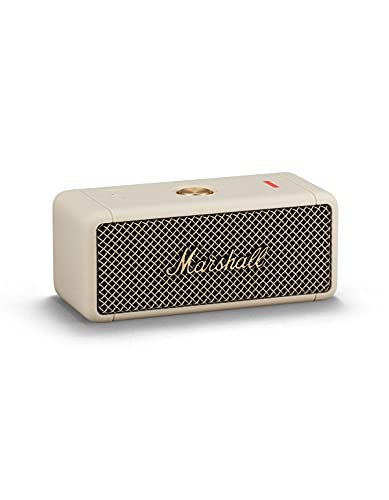
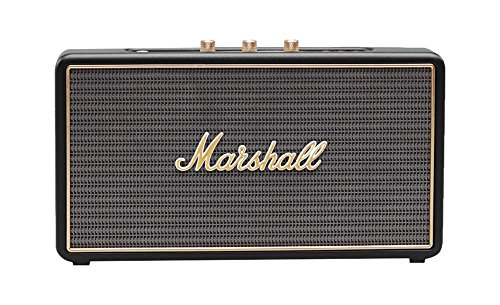
Gli altoparlanti portatili Marshall sono validi?
Gli altoparlanti portatili Marshall hanno un punteggio complessivo medio di 7.7, si classificano al numero #9 tra i marchi di altoparlanti portatili comparabili e hanno una valutazione degli utenti di 9.5, che li colloca al numero #2 in base alle recensioni degli utenti.
Gli altoparlanti portatili Marshall sono particolarmente adatti a chi cerca un design distintivo ispirato agli amplificatori, un suono energico, comandi tattili e un passaggio chiaro dal Willen tascabile attraverso Emberton e Middleton fino ai modelli Kilburn e Tufton più grandi.
Gli altoparlanti portatili Marshall sono meno adatti se ti servono riproduzione multi-room Wi-Fi, ampio supporto agli assistenti vocali, illuminazione RGB o il prezzo più basso per watt. Protezione dall’acqua, USB-C, funzioni dell’app e collegamento tra altoparlanti variano molto tra le generazioni.
Il grafico seguente confronta i marchi di altoparlanti portatili in base al punteggio complessivo medio.
[horizontal-chart-16826570532110669241166463899741574182283116530753]
Quali sono i principali vantaggi degli altoparlanti portatili Marshall?
I principali vantaggi degli altoparlanti portatili Marshall sono:
- Comandi e design distintivi: Manopole zigrinate, griglie resistenti e cabinet in stile amplificatore rendono la gamma riconoscibile e piacevole da usare. I comandi fisici per bassi e acuti sui modelli più grandi riducono la dipendenza dall’app.
- Scala di dimensioni ben definita: Willen, Emberton, Middleton, Kilburn e Tufton coprono esigenze realmente diverse di trasporto e potenza. Puoi salire di categoria per ottenere più bassi e copertura senza abbandonare lo stesso linguaggio di design.
- Opzioni con lunga autonomia: Molti modelli attuali a batteria puntano a circa 20–30 ore, mentre le generazioni più recenti possono durare ancora di più a volume moderato. Questo rende gli altoparlanti della classe Emberton e Middleton pratici per i fine settimana fuori casa.
- Modelli compatti pronti per l’esterno: Le generazioni Willen, Emberton e Middleton includono una protezione IP reale invece di uno stile robusto solo estetico. Le famiglie protette sono più adatte a cucine, patii e viaggi rispetto ai modelli Acton o Stanmore alimentati dalla rete.
- Presentazione piena e vivace: La messa a punto Marshall privilegia generalmente attacco, calore e una forte presenza dei medi. Rock, pop e registrazioni dal vivo risultano coinvolgenti senza richiedere una configurazione estesa.
Quali sono i principali svantaggi degli altoparlanti portatili Marshall?
I principali svantaggi degli altoparlanti portatili Marshall sono:
- Prezzi premium: Marshall spesso costa più di concorrenti Bluetooth tradizionali con potenza simile. Parte del prezzo paga materiali, comandi e stile invece di potenza o connettività aggiuntive.
- Protezione dalle intemperie non uniforme: Willen, Emberton e Middleton sono le scelte esterne più sicure, ma molte generazioni di Kilburn, Tufton, Acton, Stanmore e Woburn hanno una classificazione dell’acqua più debole o assente. L’aspetto da solo non indica la durata.
- Ecosistema smart limitato: La maggior parte dei modelli a batteria privilegia il Bluetooth e omette Wi-Fi, AirPlay e assistenti vocali. Chi vuole un raggruppamento fluido per tutta la casa troverà più capacità in Sonos o in alcuni prodotti Bang & Olufsen.
- Collegamento dipendente dalla generazione: Stack Mode, accoppiamento stereo, porte di ricarica e supporto dell’app non sono universali tra le famiglie Marshall. Due altoparlanti dallo stile simile potrebbero non collegarsi come previsto.
- Il peso aumenta rapidamente: Middleton e Kilburn sono spostabili, mentre Tufton e i modelli domestici alimentati dalla rete diventano apparecchi importanti. I cabinet più grandi non vanno trattati come altoparlanti da zaino.
Chi produce gli altoparlanti portatili Marshall?
Gli altoparlanti portatili Marshall sono prodotti con il marchio Marshall da Marshall Group, l’azienda audio nata attorno alla storica attività di amplificatori Marshall e all’operazione audio consumer precedentemente nota come Zound Industries. La storia Marshall è iniziata nel 1962, quando Jim e Terry Marshall costruirono il loro primo amplificatore a Hanwell, Londra.
Marshall Group ha sede a Stoccolma, mentre la fabbrica di amplificatori Marshall resta a Bletchley, in Inghilterra. Questa struttura unisce l’eredità britannica dell’attrezzatura musicale allo sviluppo del prodotto, al design industriale, all’approvvigionamento e alla distribuzione mondiale necessari per cuffie e altoparlanti wireless.
Marshall sviluppa altoparlanti portatili come prodotti consumer, non come amplificatori per chitarra in miniatura. Cabinet e comandi richiamano volutamente l’attrezzatura da palco, ma amplificazione interna, elettronica Bluetooth, batterie, tenuta alle intemperie e messa a punto sono progettate per la riproduzione quotidiana di musica registrata.
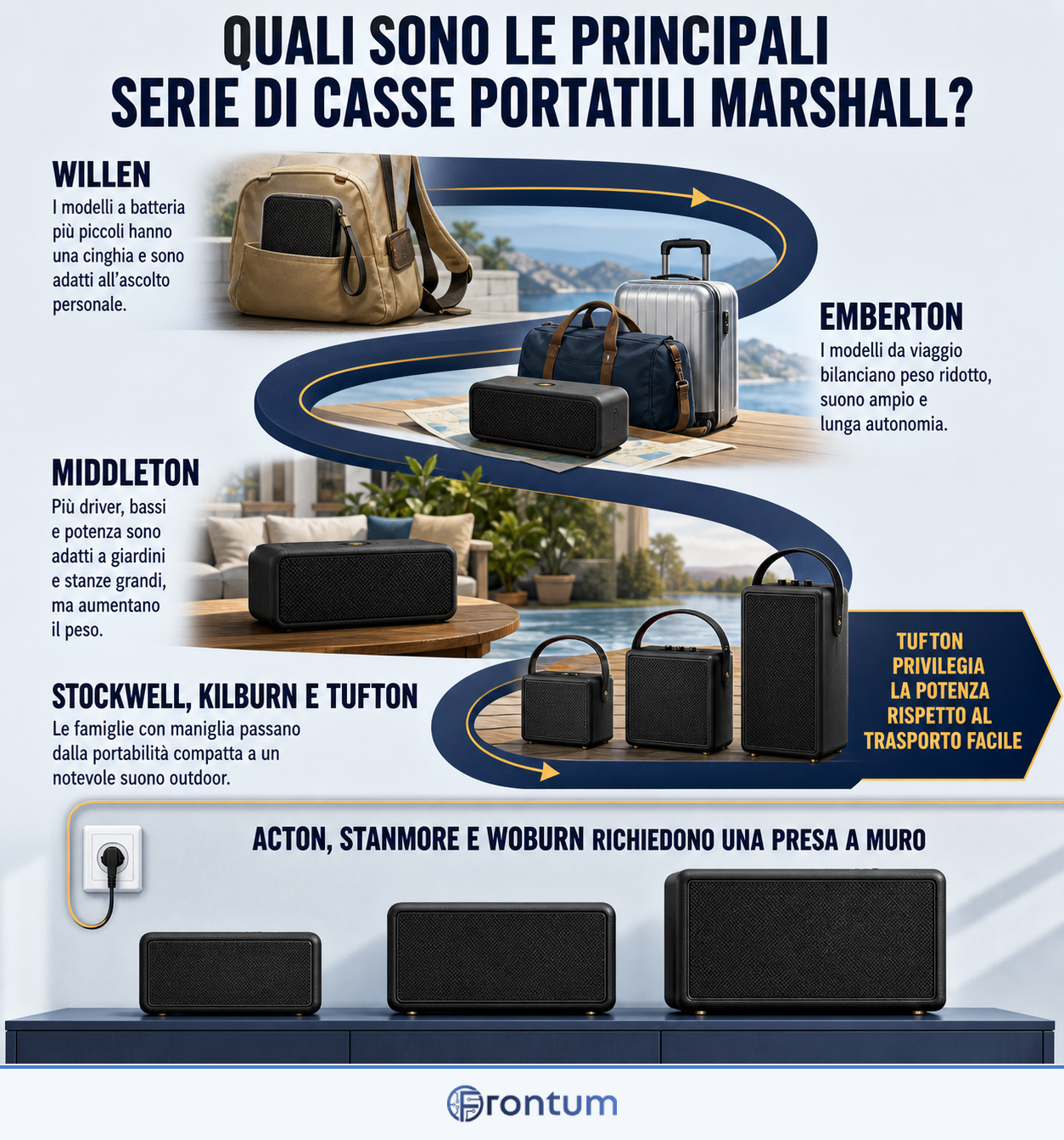
Quali sono le principali serie di altoparlanti portatili Marshall?
Le principali serie di altoparlanti portatili Marshall sono:
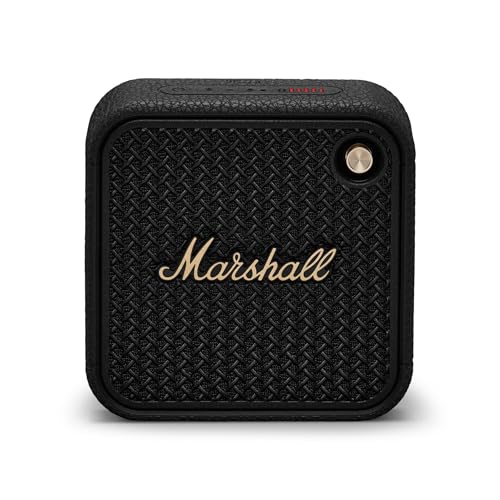
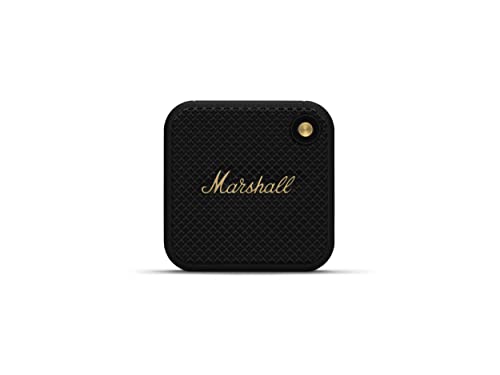
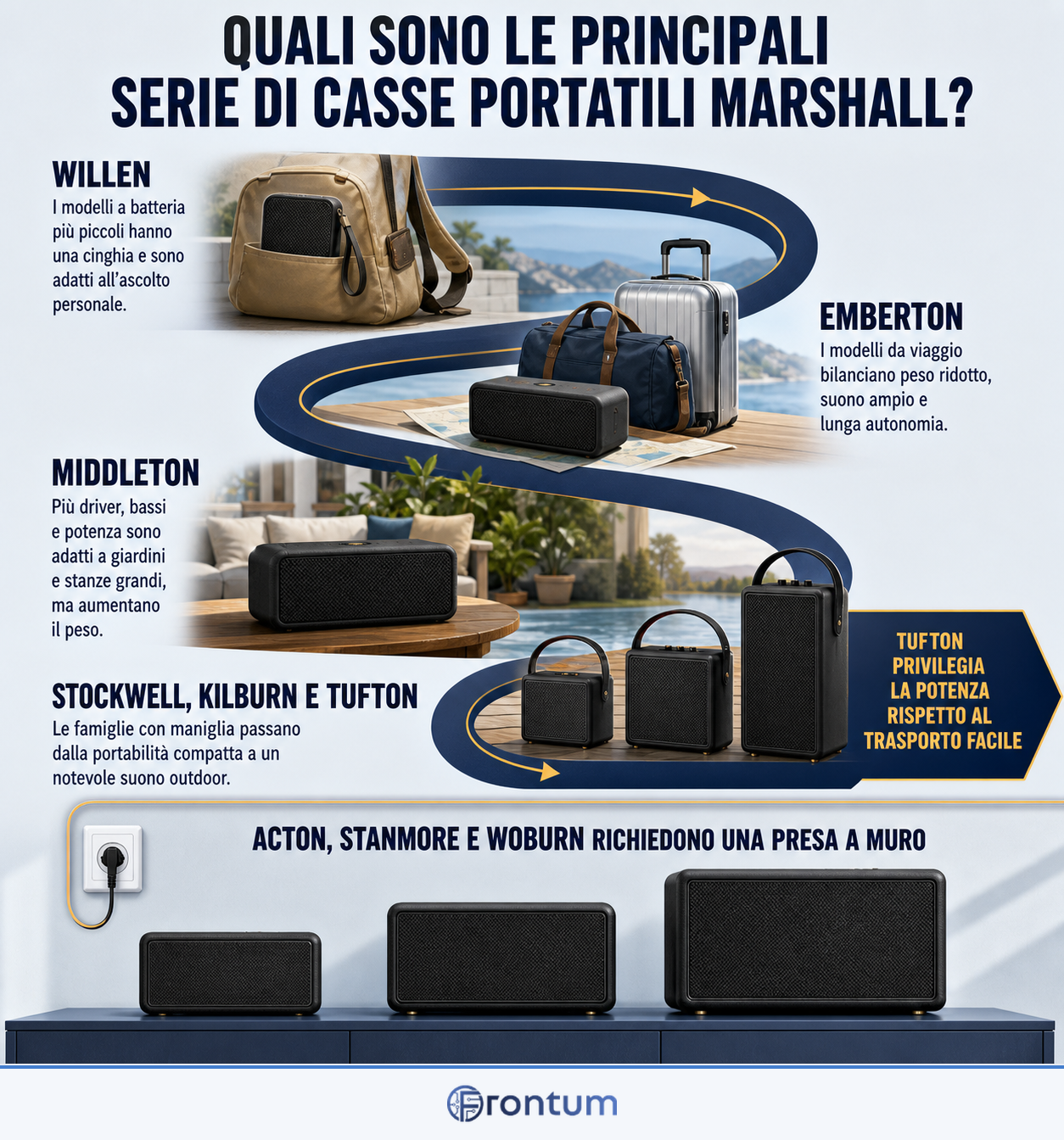
- Willen: Willen e Willen II sono i modelli a batteria più piccoli, con corpi adatti alla tracolla e una forte protezione da acqua e polvere. Sono adatti all’ascolto personale e alle borse da giorno, ma i driver compatti non possono offrire i bassi o la copertura di Kilburn.
- Emberton: Emberton II e III sono i modelli rettangolari da viaggio tradizionali, che bilanciano peso ridotto, ampia dispersione del suono e lunga autonomia. Sono la scelta naturale quando Willen è troppo piccolo ma non serve una maniglia.
- Middleton: Middleton e Middleton II aggiungono più driver, potenza, bassi e presenza fisica mantenendo batteria e costruzione robusta. Si adattano a giardini e stanze grandi, anche se il peso li rende meno casual da trasportare.
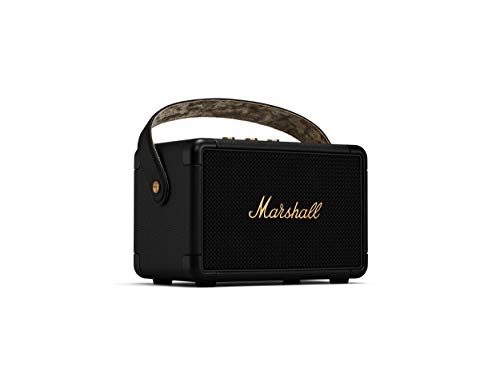
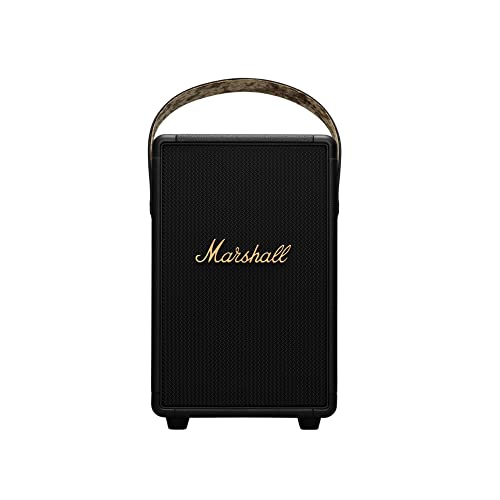
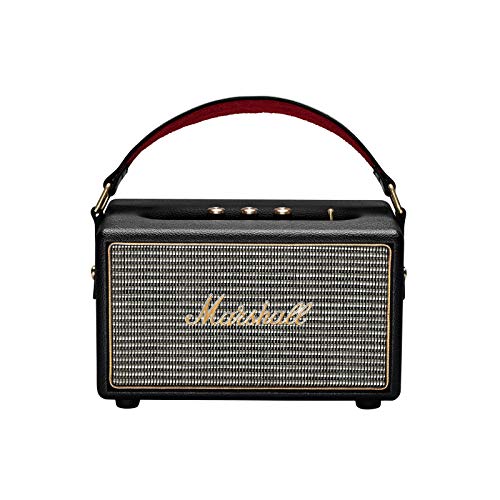
- Stockwell, Kilburn e Tufton: Queste famiglie a batteria con maniglia passano dalla portabilità rétro compatta al suono esterno importante. Kilburn è la via di mezzo; Tufton privilegia volume e bassi rispetto alla facilità di trasporto, mentre Stockwell è l’alternativa compatta più vecchia.
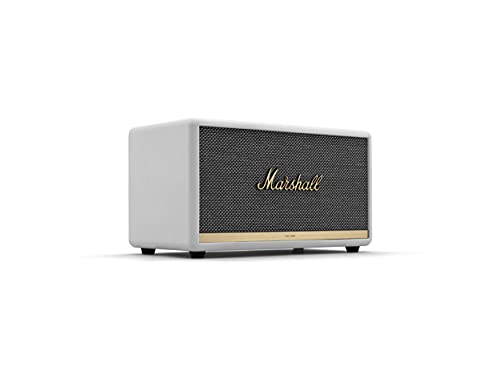
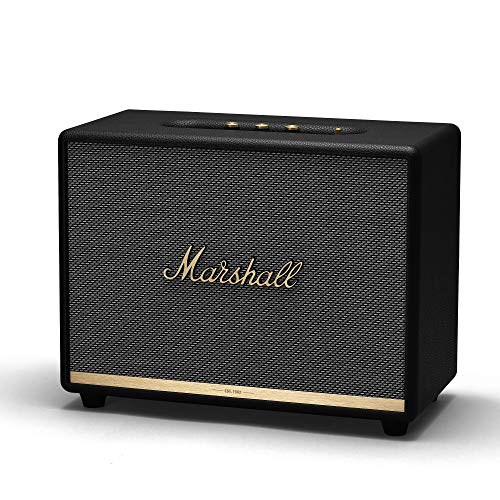
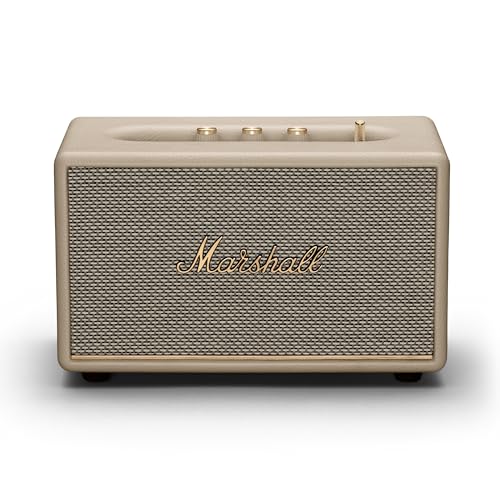
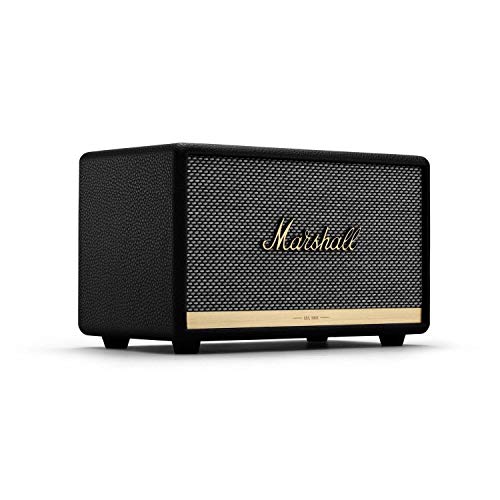
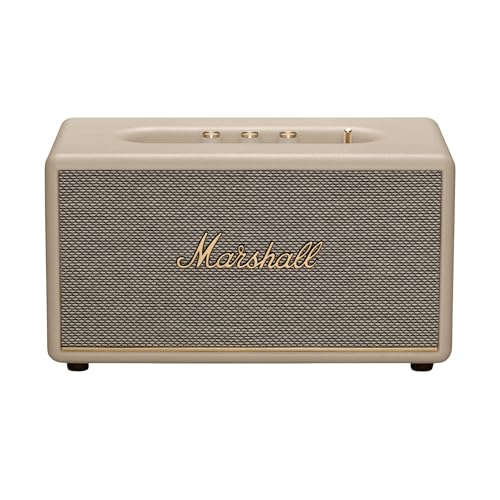
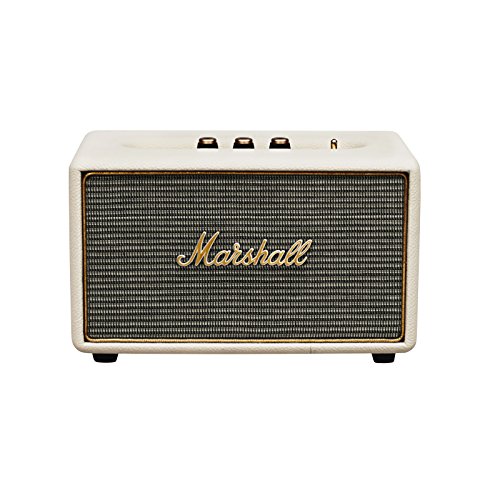
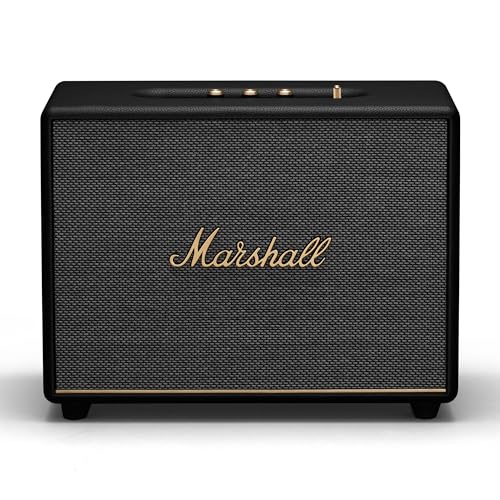
- Acton, Stanmore e Woburn: Sono altoparlanti domestici alimentati dalla rete, non veri modelli portatili, con Woburn all’estremità più grande. Offrono più potenza nella stanza e comandi classici, ma richiedono una presa a muro e variano per connettività smart o cablata in base alla generazione.
Quanto costano gli altoparlanti portatili Marshall?
Gli altoparlanti portatili Marshall costano generalmente circa 100–550 €. I modelli Willen occupano circa 100–150 €, Emberton circa 140–200 € e Middleton o Kilburn comunemente circa 250–350 €. I modelli Tufton più grandi alimentati a batteria possono avvicinarsi a 450 €, con dimensioni, capacità della batteria, protezione dalle intemperie e generazione che spiegano gran parte della differenza.
I modelli Acton alimentati dalla rete di solito partono da circa 200–300 €, Stanmore si trova intorno a 330–450 € e Woburn può arrivare a circa 500–550 €. Una generazione vecchia scontata può non avere USB-C, supporto dell’app attuale, funzioni di collegamento più recenti o protezione migliorata, quindi confronta la versione esatta invece di presumere che lo stesso nome di famiglia garantisca le stesse funzioni.
Come si confrontano gli altoparlanti portatili Marshall con i modelli JBL?
Gli altoparlanti portatili Marshall si confrontano con i modelli JBL nelle aree seguenti:
- Suono e comandi: Marshall offre di solito una messa a punto più calda e orientata al rock e controlli tattili più completi per bassi e acuti sui modelli grandi. JBL tende a privilegiare un impatto maggiore nei medio-bassi e una regolazione più semplice tramite app su una gamma più ampia.
- Struttura della gamma: Marshall passa da Willen ed Emberton attraverso Middleton, Kilburn e Tufton, fino agli altoparlanti domestici alimentati dalla rete. JBL offre più dimensioni intermedie da Go e Clip a Flip, Charge, Xtreme, Boombox e PartyBox.
- Uso all’aperto: I modelli compatti attuali di entrambi i marchi possono offrire una forte protezione IP, ma JBL applica la robustezza a una parte maggiore della propria scala tradizionale. Gli acquirenti Marshall devono distinguere le famiglie a batteria protette dai modelli domestici esposti.
- Funzioni per feste: JBL offre più illuminazione RGB, ingressi karaoke, funzioni power bank e altoparlanti per eventi di potenza molto elevata. Marshall si concentra su stile, suono e comandi fisici invece di un ecosistema esteso di funzioni da festa.
- Scelta in base all’uso: Scegli Marshall quando design, funzionamento tattile e presentazione calda sono prioritari. Scegli JBL quando vuoi più fasce di prezzo, una progressione dimensionale più chiara, una scelta esterna più ampia o sistemi da festa più grandi.
Cosa dovresti considerare scegliendo il miglior altoparlante portatile Marshall?
Quando scegli il miglior altoparlante portatile Marshall, considera i seguenti fattori:
- Dimensioni e posizione del modello: Willen pesa circa 0,3–0,4 kg a 10 W, Emberton circa 0,7 kg a 20–38 W, Middleton 1,8 kg a 60–80 W, Kilburn circa 2,5–3,0 kg a 25–50 W e Tufton 4,9 kg a 80 W. Willen o Emberton sono adatti a una borsa; Middleton e i modelli più grandi richiedono sempre più la propria maniglia, un trasporto breve o un veicolo.
- Funzionamento a batteria o dalla rete: Willen, Emberton, Middleton, Kilburn e Tufton possono funzionare lontano da una presa, mentre Acton, Stanmore e Woburn sono altoparlanti domestici alimentati dalla rete nonostante lo stile Marshall simile. Decidi prima se la batteria è essenziale: un modello domestico più grande può offrire più potenza nella stanza, ma non sostituisce un altoparlante portatile all’aperto.
- Scala del suono e comandi: Emberton e Middleton offrono più bassi e margine di Willen, mentre Kilburn e Tufton si spostano ulteriormente verso la copertura di stanze o giardini; da Acton a Woburn cresce la prestazione in ambienti fissi. Confronta il controllo dei bassi al volume normale e verifica se il modello offre manopole fisiche del tono, EQ nell’app o solo una messa a punto fissa.
- Protezione da acqua e polvere: Le generazioni attuali di Willen, Emberton e Middleton sono le scelte più forti vicino a pioggia o schizzi, mentre Kilburn, Tufton e i modelli domestici alimentati dalla rete più vecchi possono avere una protezione IP più bassa o assente. Verifica generazione esatta e classificazione IP completa, perché materiali esterni simili non garantiscono la stessa tenuta.
- Batteria, ricarica e funzioni power bank: Le generazioni Willen sono dichiarate per circa 15–17 ore, Emberton per circa 20–32 ore, Middleton per 20–30 ore, la maggior parte dei Kilburn per circa 20 ore e Kilburn III fino a 50 ore; Tufton è intorno a 20 ore. Confronta a volume simile, poi controlla ricarica USB-C o dalla rete, vantaggi della ricarica rapida, riproduzione durante la ricarica e possibilità di assistenza alla batteria.
- App, collegamento e ingressi cablati: Le generazioni portatili più recenti possono aggiungere EQ nell’app o collegamento Stack, ma i metodi di collegamento Marshall non sono universali tra le versioni Willen, Emberton e Middleton. Controlla compatibilità stereo o multi-altoparlante, disponibilità AUX, Bluetooth multipoint, supporto codec e aggiornamenti firmware prima di scegliere un modello vecchio scontato o pianificare un sistema a due altoparlanti.