Gli altoparlanti portatili JBL sono validi?
Gli altoparlanti portatili JBL hanno un punteggio complessivo medio di 8.1, si classificano al numero #1 tra i marchi di altoparlanti portatili comparabili e hanno una valutazione degli utenti di 9.6, che li colloca al numero #1 in base alle recensioni degli utenti.
Gli altoparlanti portatili JBL sono una scelta forte per l’ascolto all’aperto, un suono ricco di bassi e una gamma di prodotti che copre zaini, giardini, feste grandi e sistemi per eventi illuminati. La resistenza all’acqua e il collegamento tra altoparlanti sono disponibili in molte famiglie attuali.
Gli altoparlanti portatili JBL sono meno uniformi tra generazioni vecchie e nuove perché supporto dell’app, protocolli di collegamento, USB-C e Wi-Fi variano. I modelli compatti possono anche suonare congestionati quando vengono spinti, mentre le unità PartyBox sacrificano la facilità di trasporto per la potenza.
Il grafico seguente confronta i marchi di altoparlanti portatili in base al punteggio complessivo medio.
[horizontal-chart-16826570532110669241166463899741574182283116530753]
Quali sono i principali vantaggi degli altoparlanti portatili JBL?
I principali vantaggi degli altoparlanti portatili JBL sono:
- Ampia scelta di dimensioni: Go e Clip sono adatti a tasche e borse, Flip e Charge coprono l’uso quotidiano, mentre Xtreme, Boombox e PartyBox offrono progressivamente più bassi e potenza. La scala rende facili da capire i compromessi tra capacità e trasporto.
- Protezione per l’esterno: Molti modelli JBL attuali usano IP67 o un design simile resistente all’acqua. Questo offre alla marca una scelta robusta insolitamente ampia, dagli altoparlanti compatti ai modelli esterni più grandi.
- Potenza e bassi: La messa a punto JBL offre di solito un impatto immediato dei bassi e un volume utile per le dimensioni del cabinet. Le linee più grandi aggiungono radiatori passivi e margine dell’amplificatore per giardini e feste.
- Batteria e opzioni power bank: Le famiglie Charge, Xtreme e Boombox combinano spesso lunga riproduzione e ricarica del telefono. Puoi scegliere circa 10–24 ore senza passare direttamente a un sistema da festa solo alimentato dalla rete.
- Funzioni per feste e app: I modelli compatibili offrono EQ, collegamento stereo o di gruppo, controllo dell’illuminazione e aggiornamenti firmware. Pulse e PartyBox forniscono funzioni visive o per eventi più avanzate rispetto alla maggior parte dei concorrenti tradizionali.
Quali sono i principali svantaggi degli altoparlanti portatili JBL?
I principali svantaggi degli altoparlanti portatili JBL sono:
- Bilanciamento ricco di bassi: La messa a punto energica può coprire voci o dettagli nelle stanze riflettenti, soprattutto con il rinforzo dei bassi attivo. Chi desidera un ascolto domestico neutro potrebbe preferire Bose, Sonos o un’impostazione EQ JBL più contenuta.
- Compatibilità tra generazioni: Connect, Connect Plus, PartyBoost, Auracast e collegamento PartyBox non sono un unico sistema universale. Due altoparlanti JBL potrebbero non potersi accoppiare se appartengono a generazioni diverse.
- Funzioni non uniformi: Wi-Fi, AUX, audio USB, ingresso microfono, EQ dell’app e funzionamento power bank variano in base alla famiglia. Modelli dall’aspetto simile possono avere set di connessioni molto diversi.
- Peso nella fascia alta: Le unità Boombox e PartyBox offrono potenza reale, ma possono pesare da diversi chilogrammi a quasi 40 kg. Ruote e maniglie non rendono ogni modello comodo per scale o trasporti pubblici.
- Prezzi premium per le feste: I grandi modelli PartyBox costano centinaia di euro o più di 1.000 €. La spesa vale la pena per le funzioni da evento, ma è eccessiva quando un Charge o Xtreme più piccolo copre già lo spazio.
Chi produce gli altoparlanti portatili JBL?
Gli altoparlanti portatili JBL sono prodotti con il marchio JBL, fondato dall’ingegnere James B. Lansing nel 1946. JBL ha costruito una lunga storia nell’audio professionale per cinema, studi, locali e componenti per altoparlanti prima che gli altoparlanti Bluetooth diventassero una linea consumer importante.
Harman ha acquisito JBL nel 1969 e oggi JBL opera all’interno di Harman International. Samsung Electronics ha acquisito Harman nel 2017, quindi JBL fa infine parte di Samsung, mentre i team audio consumer e professionali restano organizzati sotto Harman.
Gli ingegneri Harman progettano e commercializzano prodotti JBL per audio consumer, automotive e professionale. Questa storia si riflette in altoparlanti portatili che danno priorità a potenza elevata, cabinet resistenti, collegamento per feste e una gamma che va dall’ascolto personale ai sistemi per eventi.
Quali sono le principali serie di altoparlanti portatili JBL?
Le principali serie di altoparlanti portatili JBL sono:
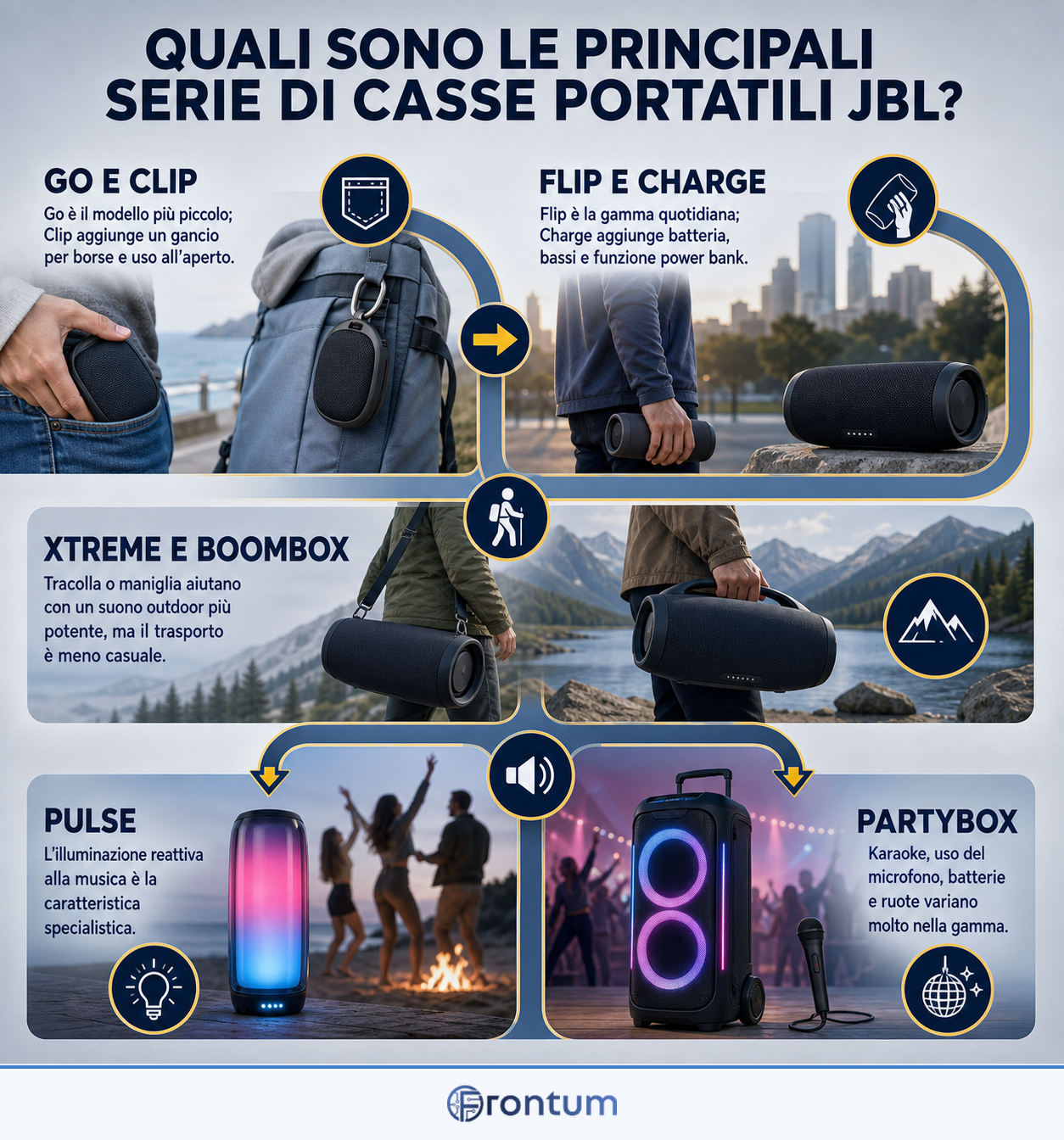
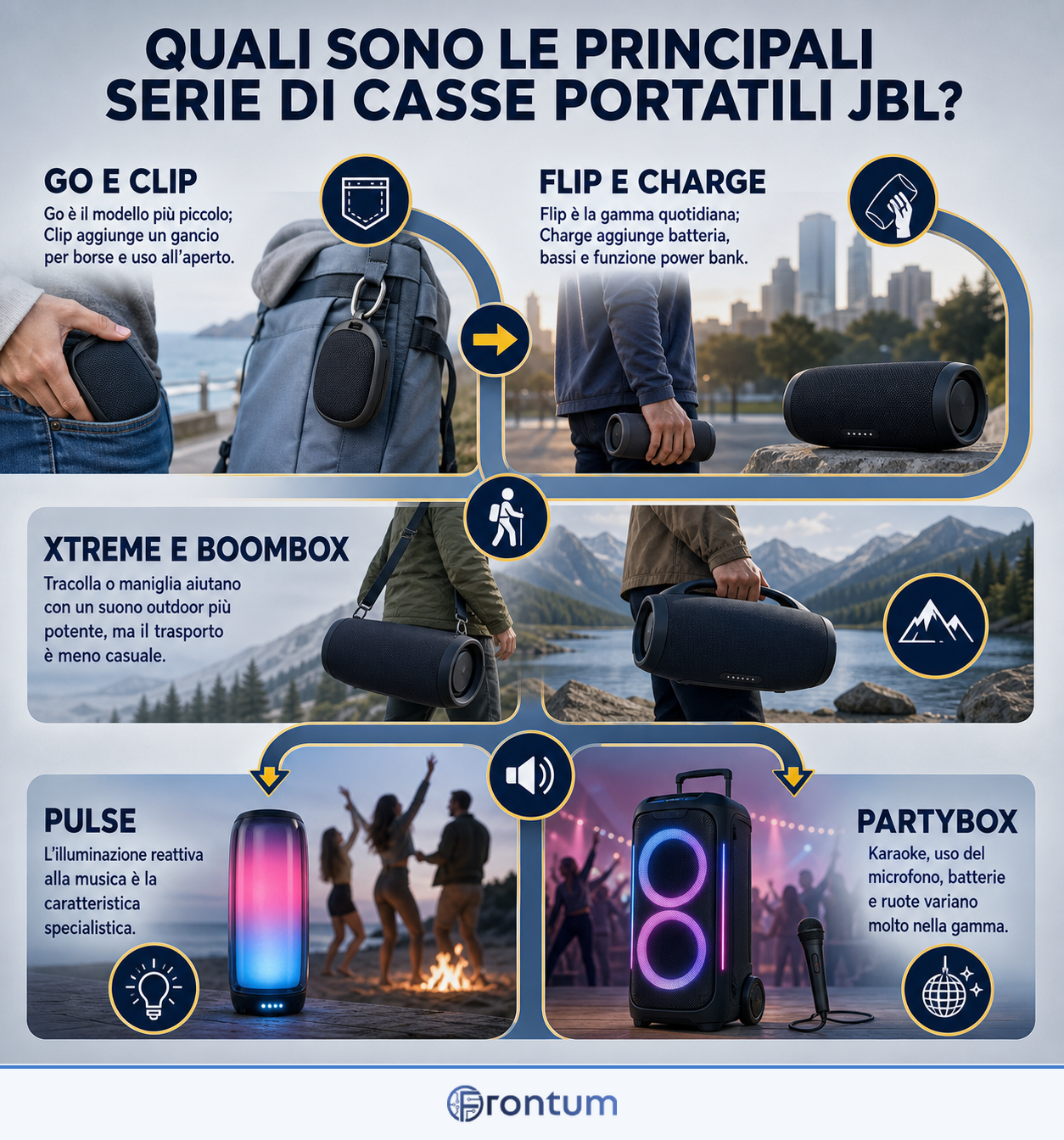
- Go e Clip: Go è il box convenzionale più piccolo, mentre Clip aggiunge un attacco integrato per borse e uso all’aperto. Entrambi privilegiano peso e prezzo minimi rispetto a bassi profondi o potenza sufficiente per una stanza.
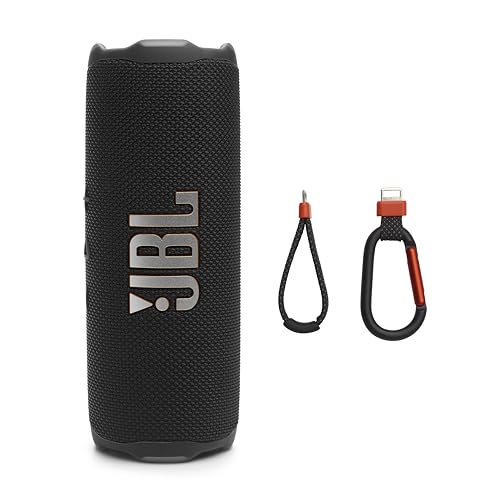
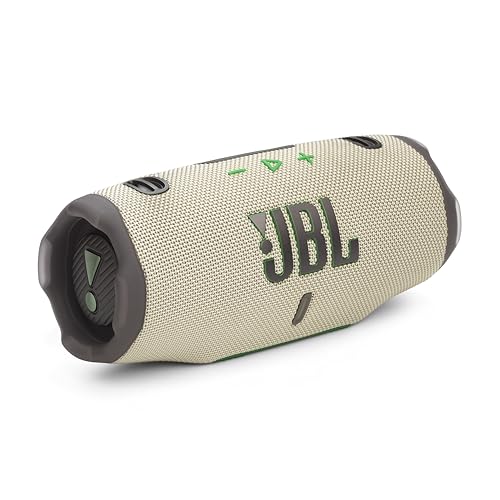
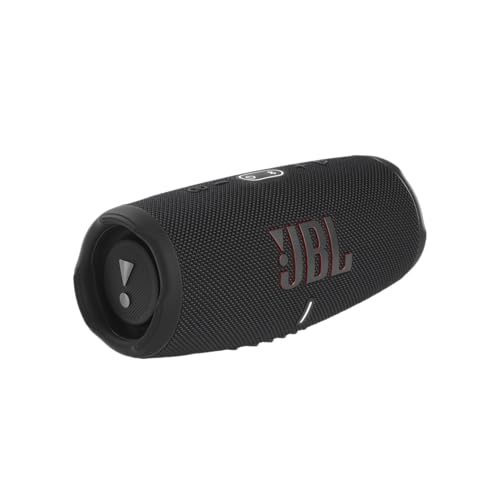
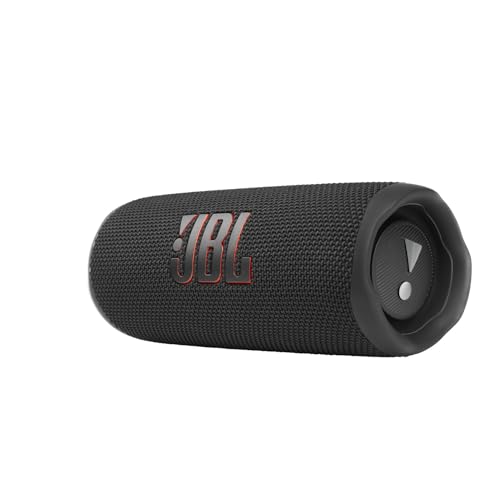
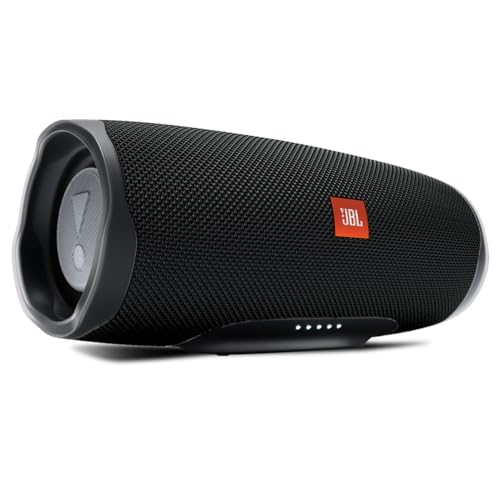
- Flip e Charge: Flip è la gamma cilindrica per l’uso quotidiano, mentre Charge aggiunge una batteria più grande, più bassi e spesso la funzione power bank. Queste sono il centro della linea portatile JBL per viaggi, cucine e giardini.
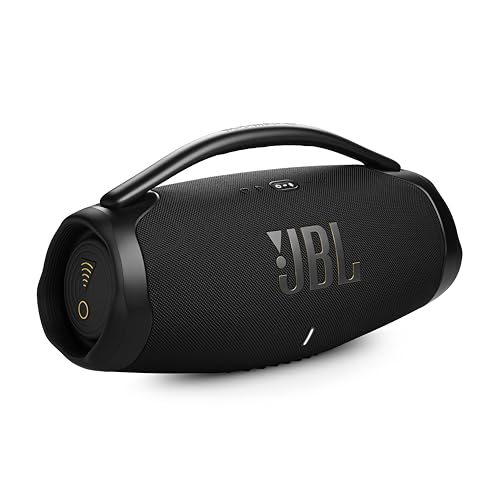
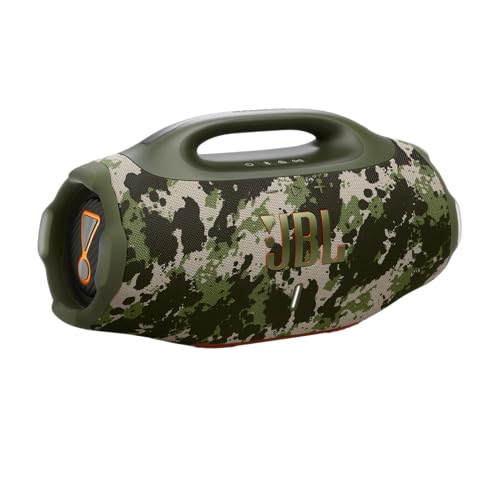
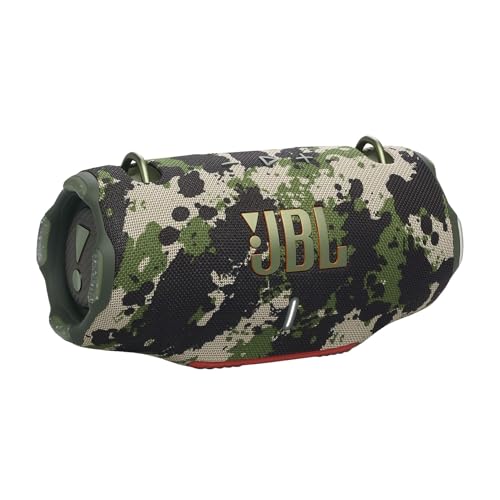
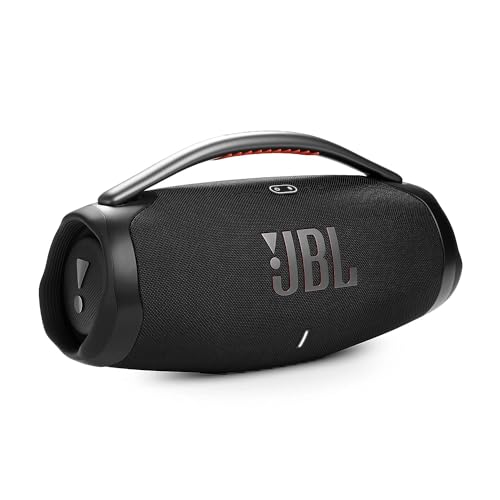
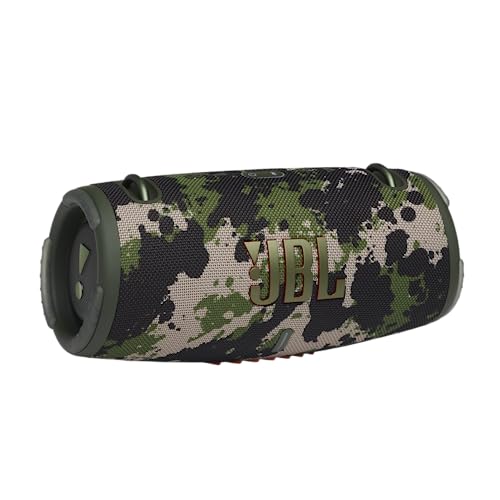
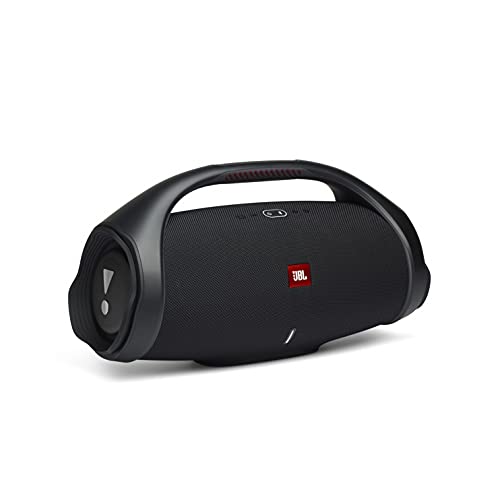
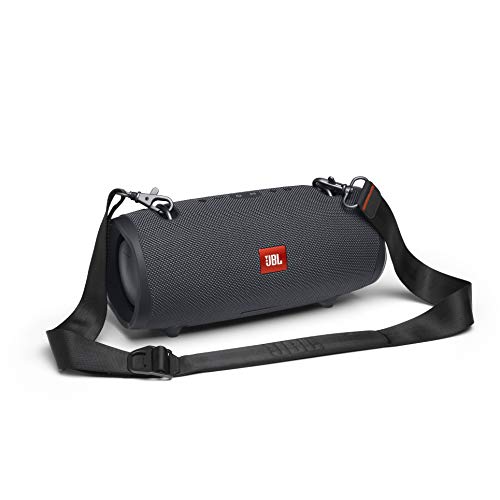
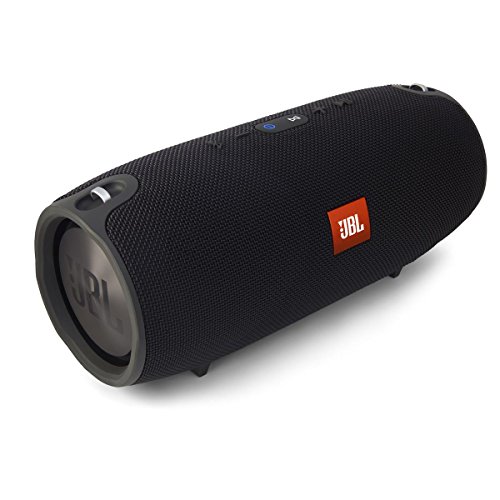
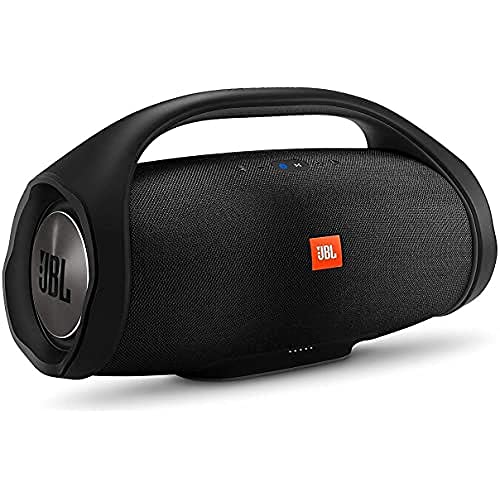
- Xtreme e Boombox: Xtreme aggiunge una tracolla e un’uscita stereo più potente; Boombox usa un cabinet molto più grande con maniglia per bassi e sessioni lunghe all’aperto. Sono adatti ai gruppi ma meno pratici da mettere in borsa.
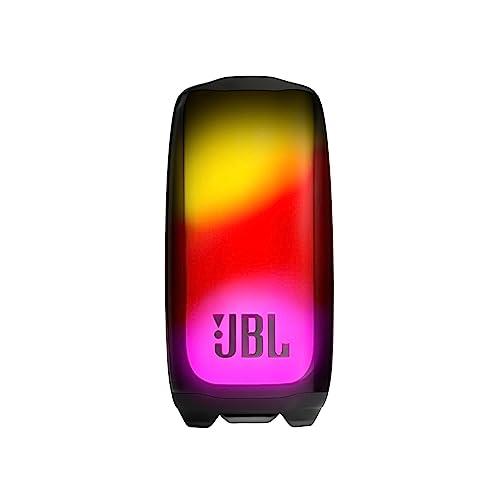
- Pulse e Link: Pulse avvolge l’altoparlante portatile con illuminazione reattiva alla musica, mentre Link e alcuni modelli Wi-Fi si concentrano sullo streaming domestico o sugli ecosistemi vocali. Le loro funzioni sono più specializzate di quelle di Flip o Charge.
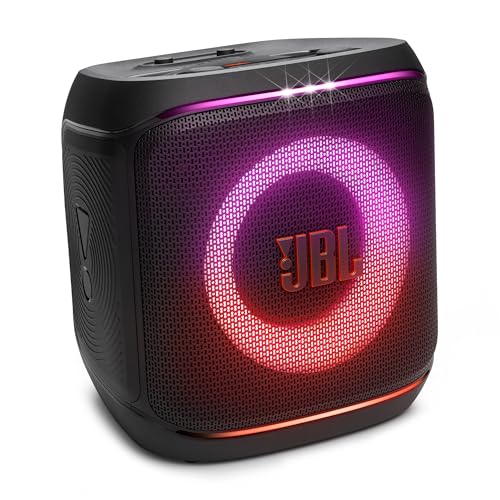
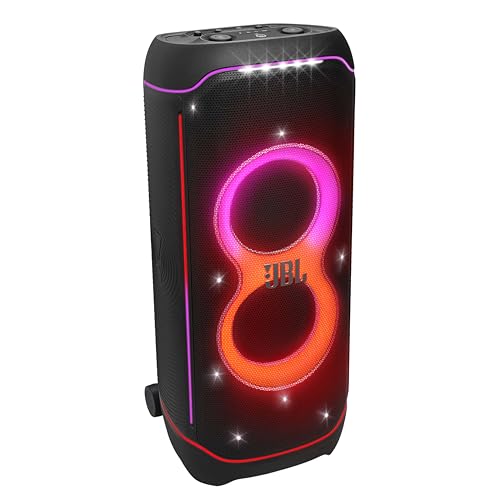
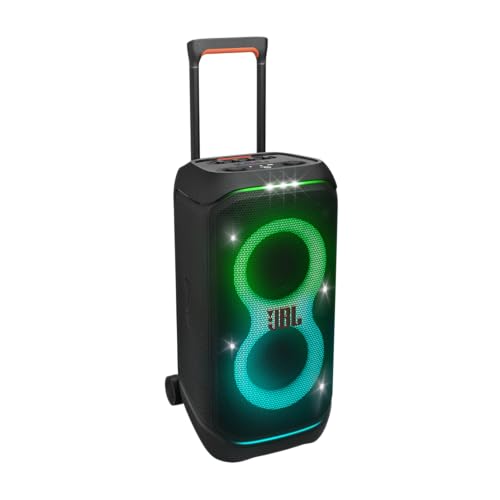
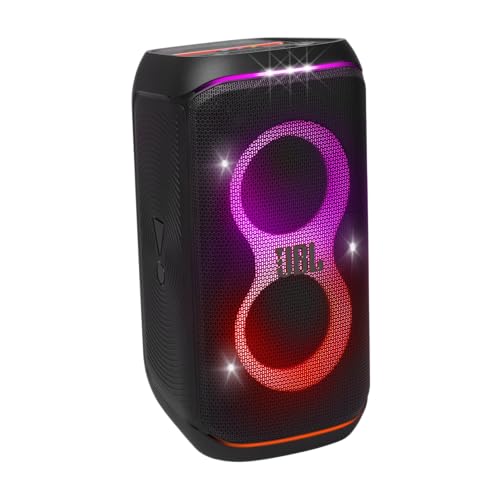
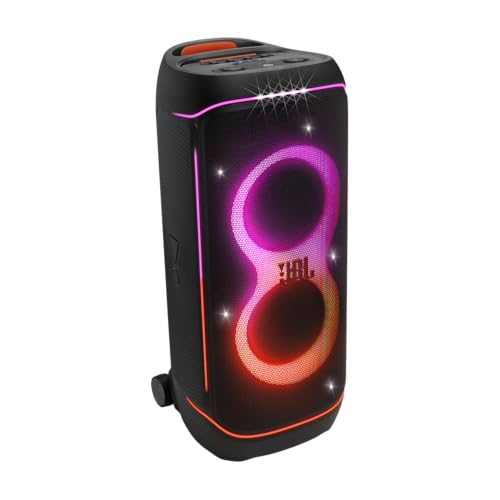
- PartyBox: PartyBox comprende altoparlanti illuminati per karaoke ed eventi, dai modelli portatili Encore o Club ai grandi sistemi Stage, 710, 1000 e Ultimate. Potenza, ingressi microfono, uso della batteria e ruote variano molto all’interno della serie.
Quanto costano gli altoparlanti portatili JBL?
Gli altoparlanti portatili JBL costano generalmente circa 40–1.200 €. I modelli Go e Clip si trovano di solito intorno a 40–70 €, Flip e Charge intorno a 80–180 € e Xtreme o Pulse intorno a 200–300 €. I modelli Boombox occupano comunemente la fascia 350–500 €.
I prezzi PartyBox partono da circa 300 € per i modelli da evento più piccoli e possono superare 1.000 € per i sistemi della classe 1000 o Ultimate. Confronta le generazioni attuali invece della sola età: un JBL più recente da 100–200 € può aggiungere una classificazione IP più forte, USB-C, collegamento aggiornato e supporto più lungo rispetto a un modello precedente scontato.
Come si confrontano gli altoparlanti portatili JBL con i modelli Sony?
Gli altoparlanti portatili JBL si confrontano con i modelli Sony nelle aree seguenti:
- Suono: JBL offre di solito un impatto più forte nei medio-bassi e un bilanciamento diretto orientato alle feste, mentre Sony offre spesso più possibilità di regolazione EQ e una presentazione più calda. Entrambi i marchi possono suonare bene, ma stanza e dimensioni del modello contano più del logo.
- Gamma portatile: JBL ha una scala particolarmente chiara da Clip e Flip a Charge, Xtreme e Boombox. Sony propone formati più insoliti e modelli precedenti, inclusi design da collo, in vetro, domestici, ULT e da festa.
- Uso all’aperto: JBL offre resistenza all’acqua in una parte più ampia della gamma tradizionale attuale. Anche Sony ha molti modelli impermeabili, ma protezione e design per il trasporto variano maggiormente tra famiglie SRS, ULT e da festa.
- Feste e illuminazione: JBL Pulse e PartyBox offrono opzioni mature per illuminazione e microfono, mentre i modelli Sony ULT e XV puntano su modalità bassi, luci e controllo della festa. JBL offre più passaggi di dimensione; Sony può offrire regolazioni dell’app più profonde.
- Ecosistema e valore: Entrambi usano app proprietarie e collegamenti specifici per generazione. JBL è spesso più facile da scegliere in base alle dimensioni, mentre sconti e formati più ampi di Sony possono offrire un valore migliore quando l’uso previsto è chiaro.
Cosa dovresti considerare scegliendo il miglior altoparlante portatile JBL?
Quando scegli il miglior altoparlante portatile JBL, considera i seguenti fattori:
- Dimensioni, potenza e uso previsto: I modelli Go e Clip pesano circa 120–285 g e offrono circa 3–7 W, Flip pesa circa 450–560 g e offre 16–35 W, mentre Charge pesa circa 0,8–1,0 kg e offre 20–45 W. Xtreme e Boombox salgono a circa 2–7 kg, mentre PartyBox va da circa 6 a 40 kg e da 100 a 1.100 W: queste famiglie richiedono trasporti progressivamente più brevi e spazi d’ascolto più grandi.
- Protezione da acqua e polvere: Le generazioni attuali di Flip, Charge, Xtreme e Boombox offrono spesso una tenuta all’aperto più forte delle versioni vecchie, mentre la protezione di PartyBox può essere più limitata nonostante l’aspetto robusto. Verifica il codice IP completo del modello esatto; IP67 include tenuta alla polvere e immersione temporanea, mentre una classificazione IPX non dichiara nulla sulla polvere.
- Autonomia e ricarica dei dispositivi: Go è comunemente dichiarato per circa 5–7 ore, Clip per 8–12 ore, Flip per 10–16 ore, Charge per 20–24 ore e i Boombox attuali per circa 24–34 ore. Punta a Charge o Boombox quando serve un’intera giornata all’aperto, ma confronta a volumi simili perché ricarica del telefono, luci, rinforzo dei bassi e modalità ad alta potenza riducono questi valori.
- Illuminazione, microfoni e funzioni da festa: Scegli Pulse quando vuoi illuminazione sincronizzata senza passare a un cabinet grande, e confronta i modelli PartyBox quando servono microfono, chitarra, ruote o comandi karaoke. Queste funzioni sono specifiche del modello: non aspettarti che un Flip o Charge portatile offra gli ingressi o i controlli luce di PartyBox.
- Generazione dell’app e collegamento: JBL Connect, Connect+, PartyBoost, Auracast e collegamento PartyBox sono sistemi diversi e non universalmente compatibili. Controlla la generazione esatta di ogni altoparlante che vuoi accoppiare, l’app JBL richiesta, le limitazioni della modalità stereo e se il collegamento funziona con sorgenti Bluetooth, AUX e microfono.
- Bilanciamento del suono e valore: Flip e Charge offrono di solito il miglior equilibrio tra trasportabilità e bassi, mentre Xtreme, Boombox e PartyBox acquistano più margine acustico con un forte aumento di peso. I prezzi tipici salgono da circa 30–60 € per Go o Clip e 70–130 € per Flip a circa 80–180 € per Charge, 150–300 € per Xtreme, 380–480 € per Boombox e 300–1.200 € per PartyBox. Confronta potenza pulita e garanzia con la famiglia vicina invece di scegliere solo in base ai watt, perché un modello più piccolo e recente può essere più pratico di un vecchio top di gamma scontato.