Quali marche producono i migliori altoparlanti portatili grandi?
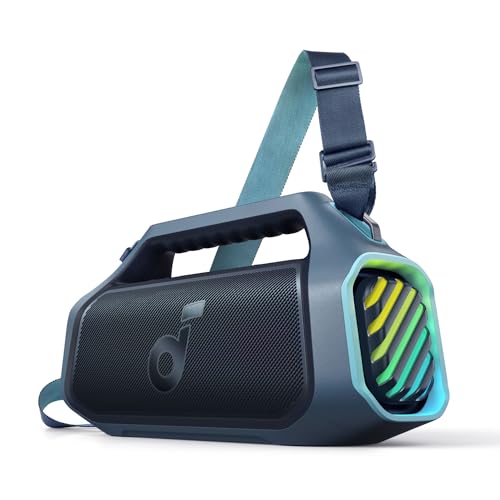
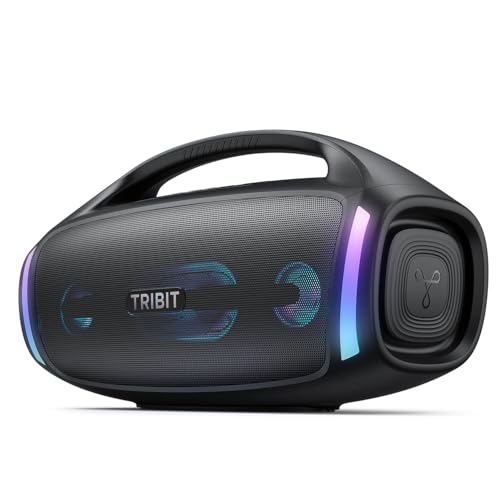
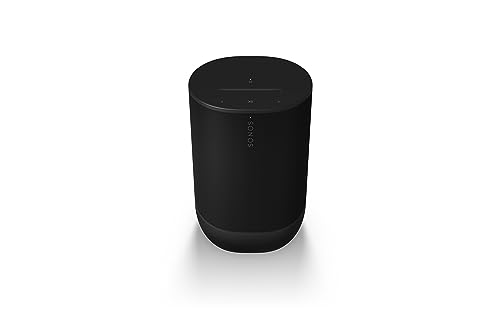
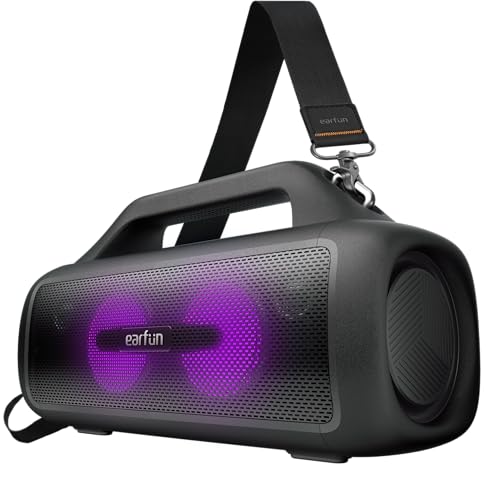
Le marche che producono i migliori altoparlanti portatili grandi sono le seguenti:
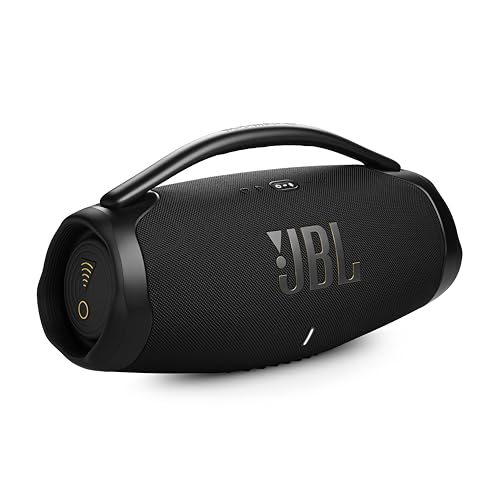
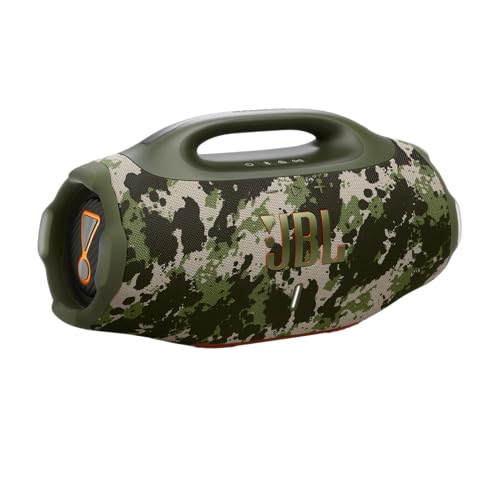
- JBL (Punteggio complessivo medio: 8.1)
- Ultimate Ears (Punteggio complessivo medio: 7.9)
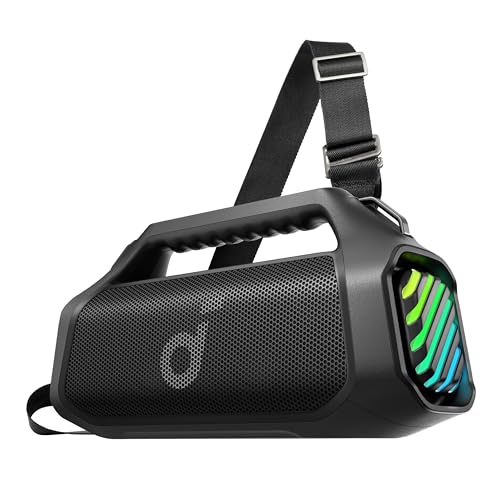
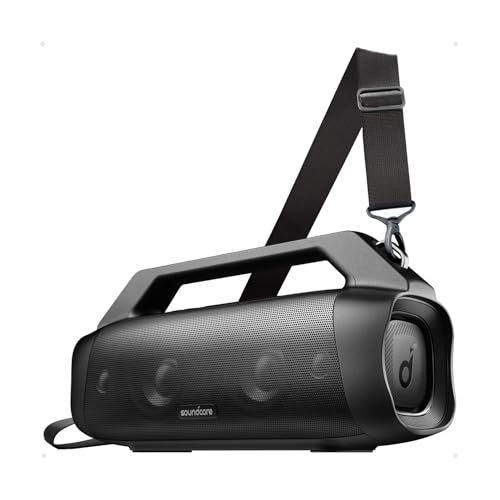
- Anker (Punteggio complessivo medio: 7.9)
Il grafico seguente classifica le marche che producono altoparlanti portatili grandi in base al punteggio complessivo medio.
[horizontal-chart-10994457684254376519130860177970863151463969801521]
Che cosa si considera un altoparlante portatile grande?
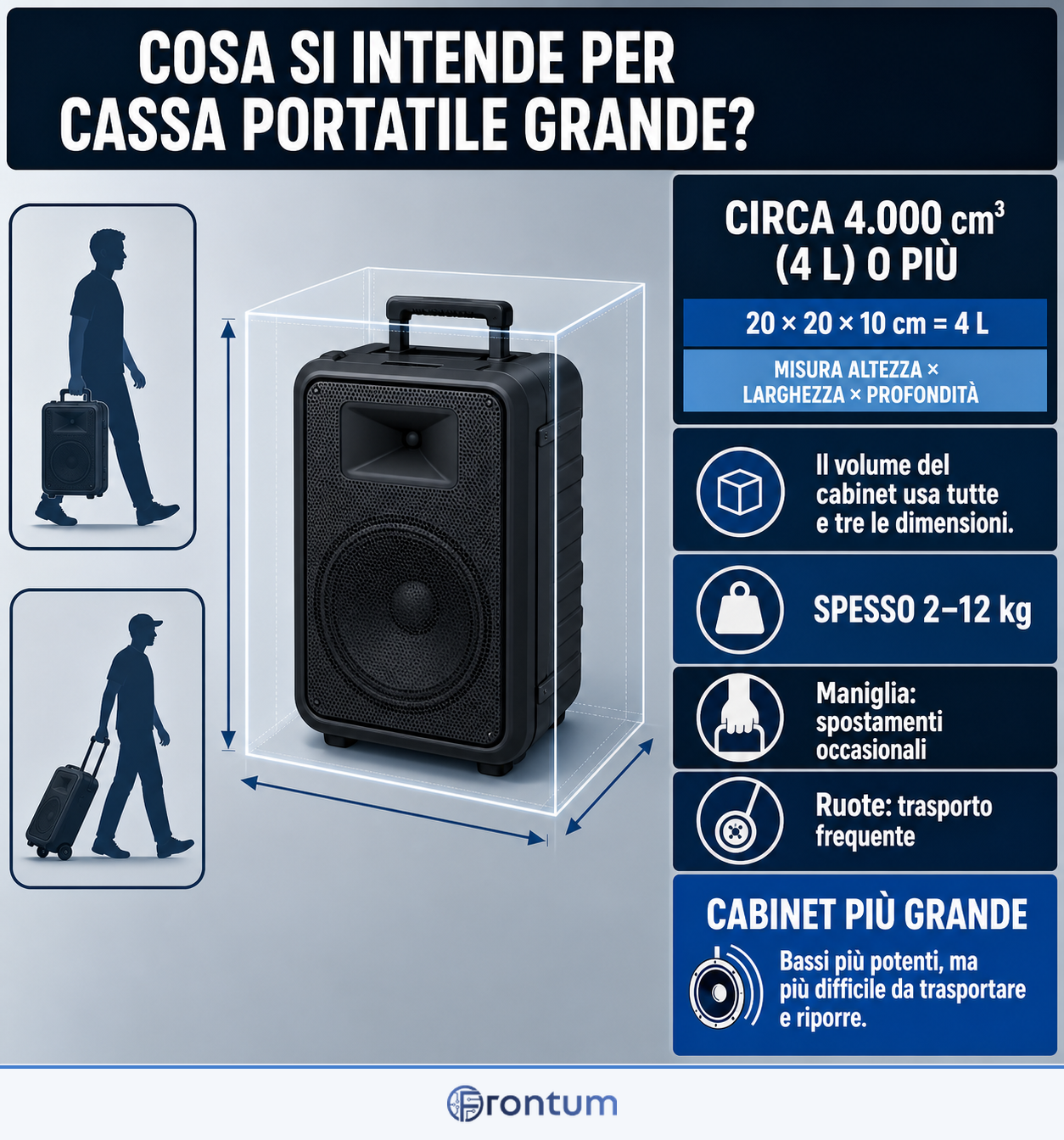
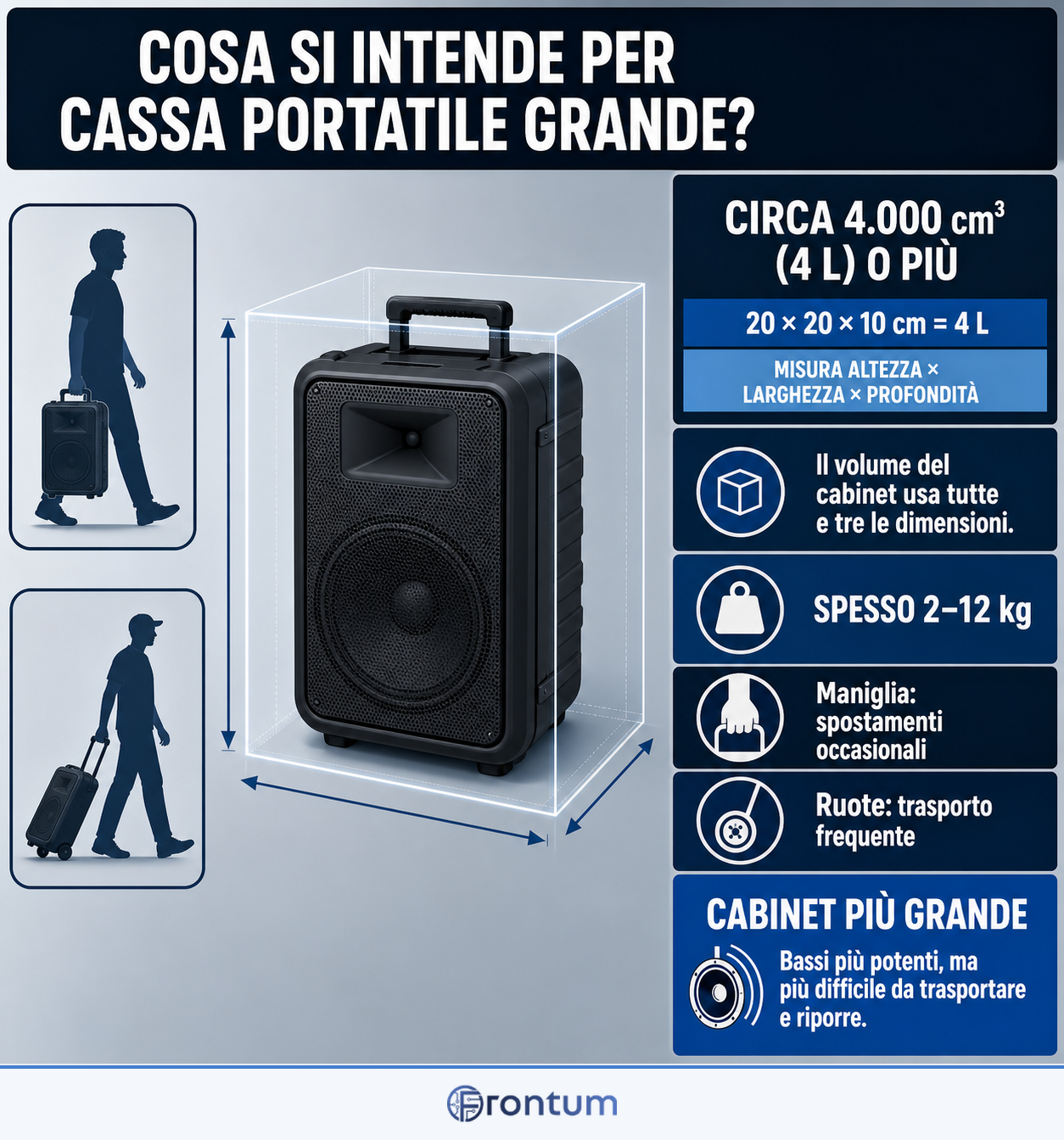
Un altoparlante portatile è ragionevolmente considerato grande quando il volume esterno del cabinet è di circa 4.000 cm³ (4 L) o più. È all'incirca l'equivalente di una scatola da 20 × 20 × 10 cm, anche se gli altoparlanti reali possono essere più alti, larghi o avere forme irregolari.
Il volume fisico è più utile di una sola dimensione perché riflette l'intero involucro. Un altoparlante lungo a forma di soundbar e un cubo compatto possono avere un volume simile, ma requisiti di posizionamento e trasporto molto diversi; confronta quindi altezza, larghezza e profondità con lo spazio in cui verrà usato.
I modelli grandi pesano spesso circa 2–12 kg, mentre i sistemi da festa più pesanti superano di molto questo intervallo. Una maniglia integrata è sufficiente per spostamenti occasionali, mentre ruote o un manico telescopico diventano importanti quando il cabinet viene trasportato spesso.
Il grafico sotto mostra la distribuzione del volume fisico degli altoparlanti portatili grandi.
[vertical-chart-06203637094175510867031708524173497049882778948955]
Quanto sono potenti gli altoparlanti portatili grandi?
Gli altoparlanti portatili grandi offrono comunemente circa 20–200 W di potenza audio, ma i watt non si traducono direttamente in volume. L'efficienza dei driver, il design del cabinet, la limitazione DSP e il fatto che il dato indichi potenza continua o di picco influenzano tutti il risultato.
Circa 20–60 W possono bastare per un soggiorno o un piccolo gruppo all'aperto. Per una festa affollata in giardino o una stanza più grande, 80–150 W o più offrono un margine utile, soprattutto quando l'altoparlante deve riprodurre i bassi senza una compressione evidente.
All'aperto il suono perde rapidamente impatto perché ci sono meno pareti a rinforzarlo. Una dispersione più ampia aiuta il gruppo ad ascoltare in modo uniforme, mentre woofer grandi e radiatori passivi aumentano il peso delle basse frequenze; nessuna delle due caratteristiche garantisce un suono pulito al volume massimo.
Valuta il volume alla distanza e nella modalità di alimentazione che prevedi di usare. I modelli a batteria possono ridurre la potenza quando la carica scende, e alcuni altoparlanti da festa raggiungono le prestazioni nominali complete solo collegati alla rete elettrica.
Quanto costano gli altoparlanti portatili grandi?
Gli altoparlanti portatili grandi costano generalmente circa 100–1,000 €, mentre i sistemi premium multi-room e orientati agli eventi possono superare 1,000 €. I modelli base intorno a 100–250 € puntano sulla riproduzione Bluetooth essenziale e su una potenza moderata; spendendo 250–600 € si ottengono di solito amplificazione più potente, bassi più profondi, maggiore autonomia e un cabinet più solido.
Oltre circa 600 €, il prezzo riflette sempre più un'uscita molto elevata, batterie grandi, supporto Wi‑Fi o multi-room, ingressi per microfono e strumenti, illuminazione, ruote o materiali premium. Paga questi extra solo se corrispondono alla stanza, all'evento o all'ecosistema previsto, perché un cabinet più grande e una potenza di picco maggiore non migliorano automaticamente la chiarezza.
Che cosa controllare prima di acquistare un altoparlante portatile grande?
Prima di acquistare un altoparlante portatile grande, controlla i seguenti fattori:
- Dimensioni del cabinet e trasporto: considera 4 L come l'inizio di questa classe e confronta tutte e tre le dimensioni con lo spazio disponibile a pavimento, su una mensola o nel veicolo. I modelli intorno a 2–5 kg sono gestibili con una maniglia, mentre i cabinet da festa più pesanti traggono vantaggio da ruote e da un'impugnatura stabile tipo trolley.
- Potenza e margine: circa 20–60 W sono adatti a molte stanze interne, mentre le riunioni all'aperto beneficiano spesso di 80–150 W o più. Confronta la potenza continua quando possibile e ascolta eventuali compressioni o asprezze vicino al volume di cui hai davvero bisogno.
- Sistema dei bassi e dispersione: woofer più grandi, radiatori passivi o un subwoofer dedicato possono approfondire i bassi, ma la messa a punto conta più del solo numero di driver. Una disposizione a 360° distribuisce il suono a un gruppo; un design stereo frontale è più concentrato da un'unica area di ascolto.
- Batteria e ricarica: un obiettivo pratico è almeno 10–20 ore a volume moderato, mentre 20–24 ore sono utili per lunghe sessioni all'aperto. Verifica il tempo di ricarica, l'adattatore richiesto, il supporto alla riproduzione durante la ricarica e se la potenza massima è disponibile a batteria.
- Connessioni ed espansione: il Bluetooth è standard, ma AUX, riproduzione USB, ingressi per microfono o chitarra, Wi‑Fi e collegamento stereo o party servono a usi diversi. Verifica che le modalità di abbinamento tra altoparlanti funzionino con i modelli e le generazioni esatti che intendi combinare.
- Resistenza e posizionamento: almeno IPX5 è un obiettivo sensato per l'uso all'aperto, mentre IPX7 aggiunge protezione dall'immersione temporanea nelle condizioni indicate dal produttore. Controlla anche coperture delle porte, resistenza agli urti, stabilità della base e limiti di temperatura, perché un alto grado di impermeabilità non impedisce ribaltamenti o danni al cabinet.