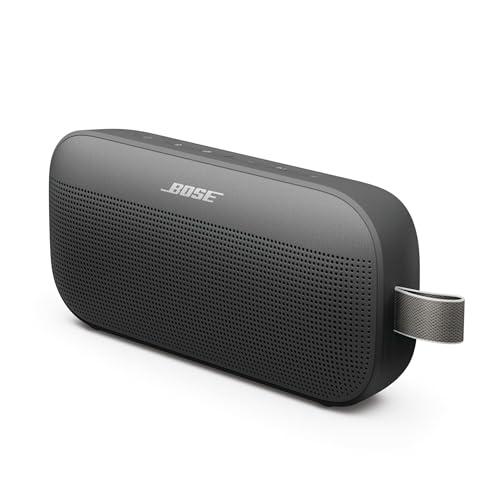
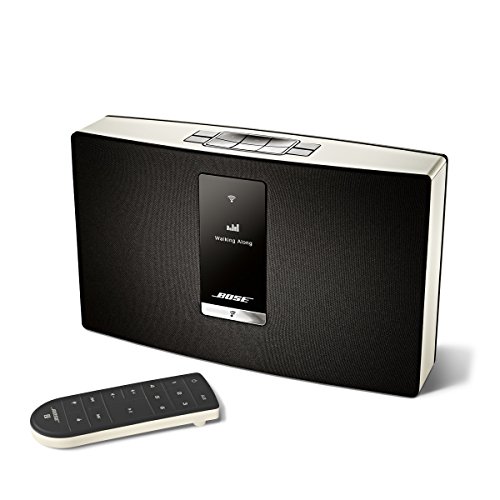
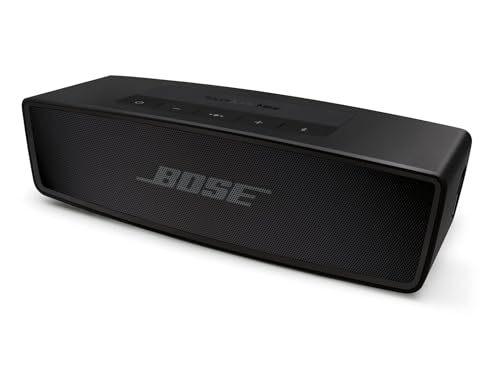
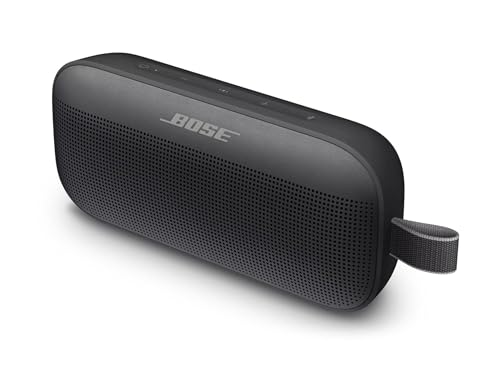
Gli altoparlanti portatili Bose sono validi?
Gli altoparlanti portatili Bose hanno un punteggio complessivo medio di 7.5, si classificano al numero 12 tra i marchi di altoparlanti portatili comparabili e hanno una valutazione degli utenti di 9.5, che li colloca al numero 4 in base alle recensioni degli utenti.
Gli altoparlanti portatili Bose danno il meglio quando vuoi una taratura curata, voci chiare, cabinet compatti e modelli progettati per spazi diversi, dal SoundLink Flex all'aperto al Revolve in casa e all'S1 Pro per prestazioni amplificate.
Gli altoparlanti portatili Bose sono meno convincenti se contano prezzo basso, illuminazione RGB, ampia compatibilità con porte legacy o collegamento party tra marche diverse. Anche la compatibilità con app e multi-room varia tra SoundLink, il vecchio SoundTouch e le generazioni più recenti di altoparlanti smart.
Il grafico seguente confronta i marchi di altoparlanti portatili in base al punteggio complessivo medio.
[horizontal-chart-16826570532110669241166463899741574182283116530753]
Quali sono i principali vantaggi degli altoparlanti portatili Bose?
I principali vantaggi degli altoparlanti portatili Bose sono i seguenti:
- Taratura equilibrata: Bose di solito privilegia voci chiare, bassi controllati e una presentazione fluida adatta a musica, podcast e televisione. Il suono è progettato per ascolti lunghi, non per la massima brillantezza o un impatto esagerato.
- Progettazione compatta: SoundLink Micro e Flex offrono una potenza utile da piccoli cabinet sigillati, mentre Revolve diffonde il suono più uniformemente nella stanza. Questo rende Bose interessante quando posizione e aspetto contano quanto i watt.
- Famiglie progettate per lo scopo: la gamma comprende modelli compatti robusti, altoparlanti da stanza a 360°, SoundLink più grandi, smart speaker compatibili con Wi‑Fi e sistemi S1 Pro per prestazioni. Gli acquirenti possono scegliere una famiglia adatta all'uso reale invece di cambiare solo dimensione.
- Costruzione e comandi: i modelli portatili recenti usano generalmente basi stabili, pulsanti tattili e costruzione resistente all'acqua quando l'uso all'aperto è previsto. Il design fisico è di solito sobrio e facile da integrare in casa.
- Funzioni dell'app e abbinamento: i modelli compatibili offrono EQ, aggiornamenti firmware, abbinamento stereo o party e Bluetooth multipoint. Questi comandi sono utili quando ogni unità appartiene alla stessa generazione Bose supportata.
Quali sono i principali svantaggi degli altoparlanti portatili Bose?
I principali svantaggi degli altoparlanti portatili Bose sono i seguenti:
- Prezzi premium: i modelli Bose spesso costano più dei concorrenti tradizionali di dimensioni simili. La spesa extra si giustifica più facilmente per taratura, design o integrazione nell'ecosistema che per la massima potenza per euro.
- Generazioni frammentate: SoundTouch, Portable Smart, Bose Music e i normali prodotti SoundLink non condividono tutti le stesse funzioni di raggruppamento o app. Chi costruisce un sistema multi-altoparlante deve controllare la compatibilità esatta tra generazioni.
- Funzioni visive e da festa limitate: Bose raramente privilegia illuminazione RGB, comandi karaoke o modalità festa estreme. JBL e Sony offrono più scelta quando contano effetti visivi o uso per eventi ad alta potenza.
- Connessioni incoerenti: AUX, USB-C, Wi‑Fi, ingresso microfono e supporto per basi di ricarica variano molto nella gamma. Un connettore USB può ricaricare senza trasportare audio, quindi ogni ingresso richiesto va confermato separatamente.
- Manutenzione della batteria: la maggior parte dei modelli compatti usa batterie interne sigillate invece di pacchi sostituibili dall'utente. La durata nel tempo dipende quindi dalla salute della batteria e dalla disponibilità di assistenza autorizzata.
Chi produce gli altoparlanti portatili Bose?
Gli altoparlanti portatili Bose sono prodotti da Bose Corporation, un'azienda americana privata di apparecchi audio fondata dal dottor Amar G. Bose nel 1964. L'azienda è cresciuta dal suo lavoro di ingegneria elettrica e psicoacustica al MIT, con attenzione a come gli ascoltatori percepiscono il suono più che alle sole specifiche.
Bose Corporation ha sede a Framingham, Massachusetts. Amar Bose ha collocato la maggior parte delle azioni dell'azienda in un trust speciale per il MIT; tali azioni non hanno diritto di voto e non sono trasferibili, quindi Bose resta privata e indipendente sul piano operativo, mentre il suo successo sostiene istruzione e ricerca.
Bose progetta altoparlanti consumer, cuffie, audio per automobili e prodotti professionali attraverso la propria organizzazione ingegneristica e partner di produzione. Questo background spiega l'attenzione della gamma portatile per acustica compatta, elaborazione del segnale, dispersione controllata e sistemi integrati semplici.
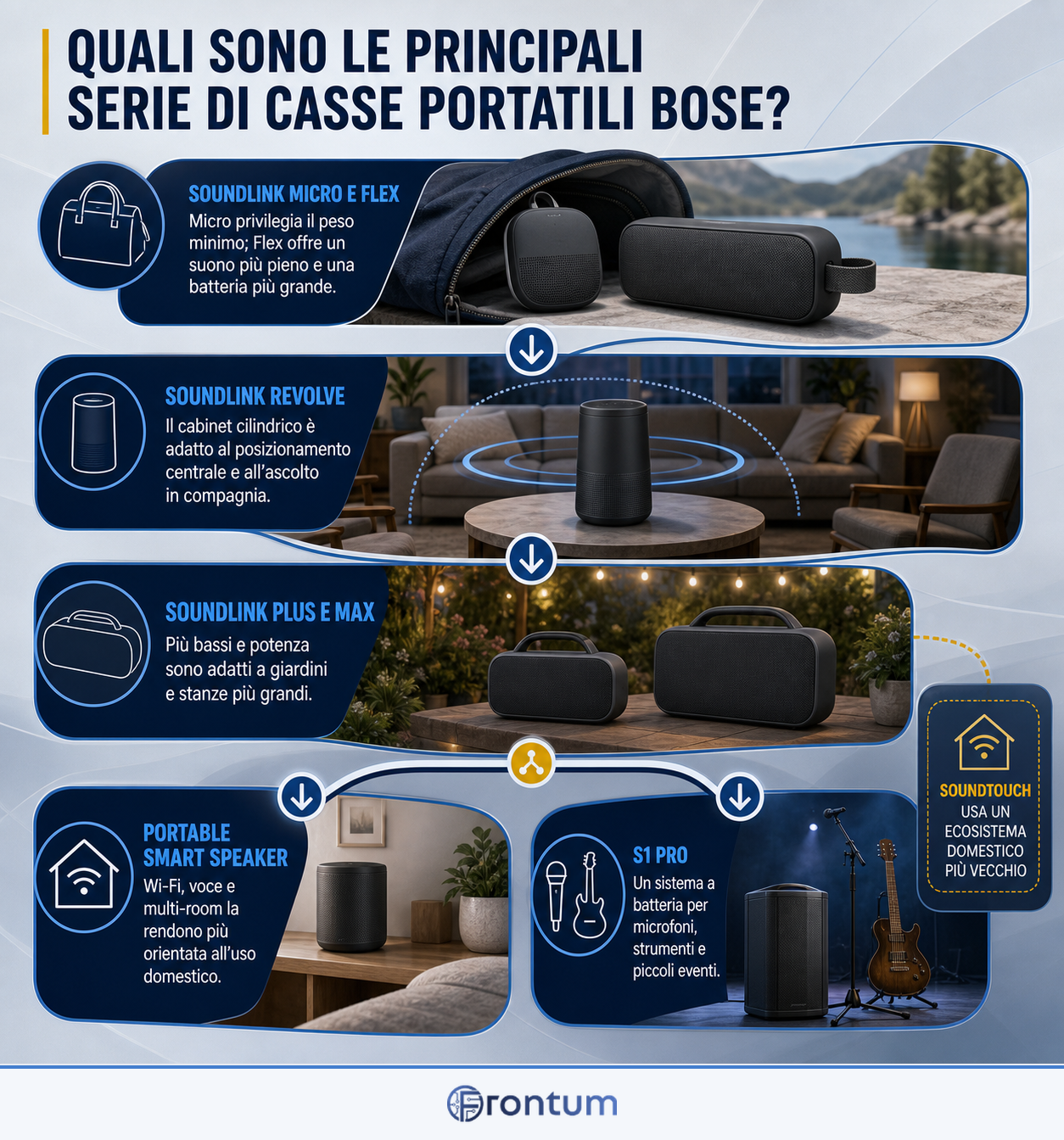
Quali sono le principali serie di altoparlanti portatili Bose?
Le principali serie di altoparlanti portatili Bose sono le seguenti:
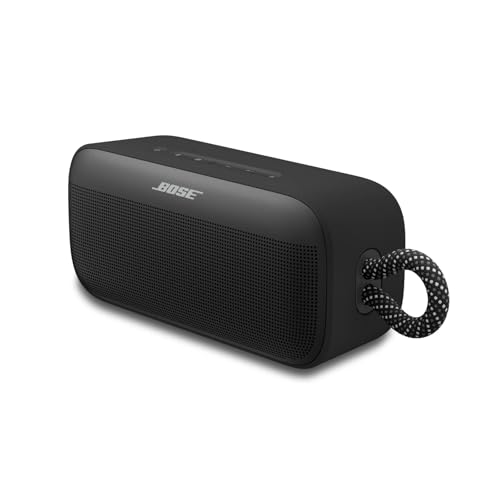
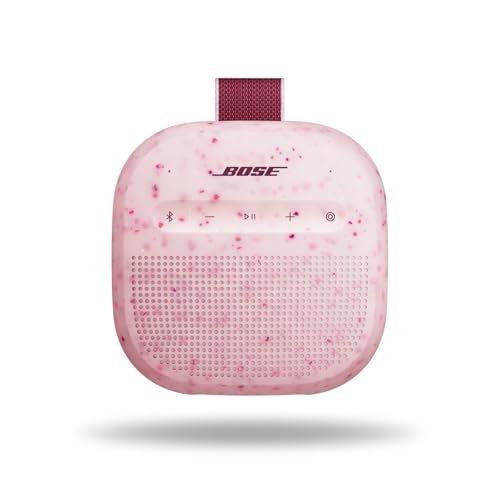
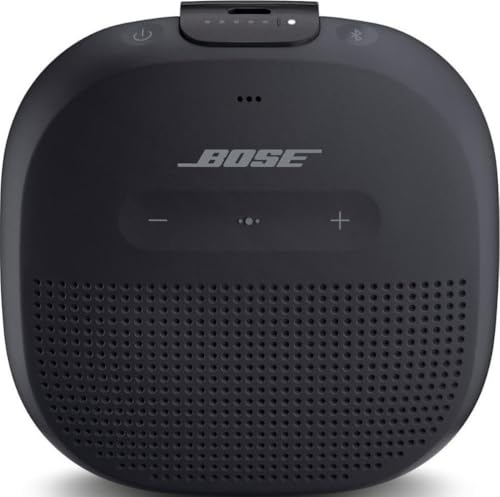
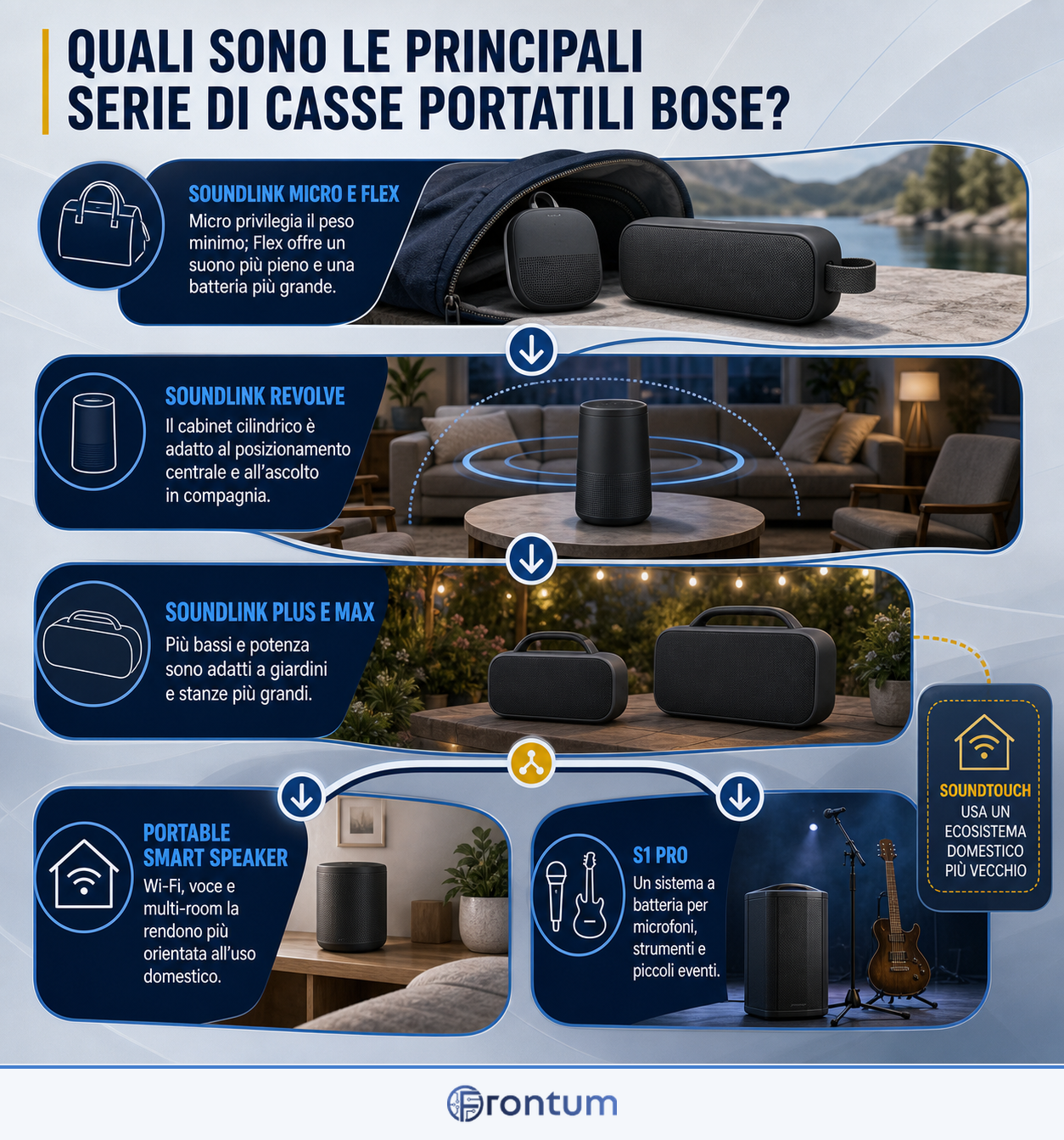
- SoundLink Micro e Flex: sono le famiglie compatte per l'esterno, con cabinet resistenti all'acqua e dimensioni adatte a una borsa. Micro privilegia il peso minimo, mentre Flex offre un suono più pieno e una batteria più grande.
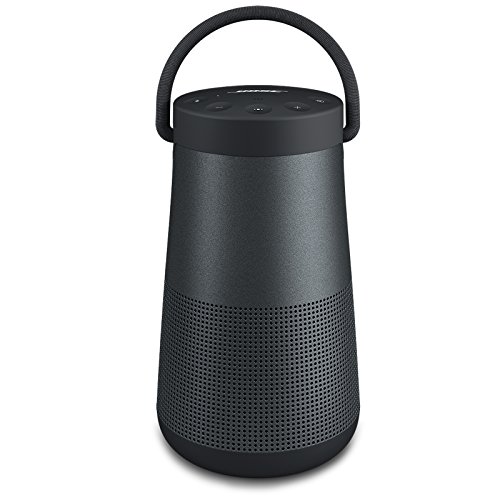
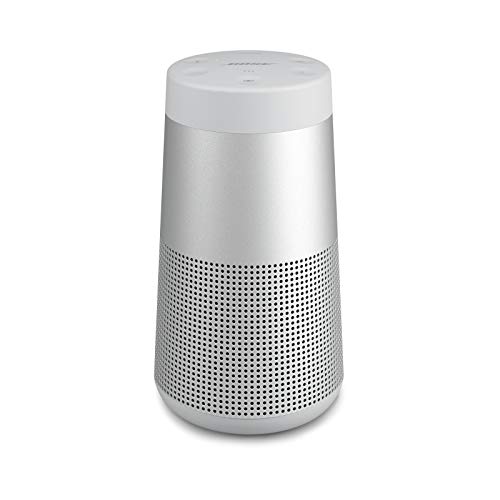
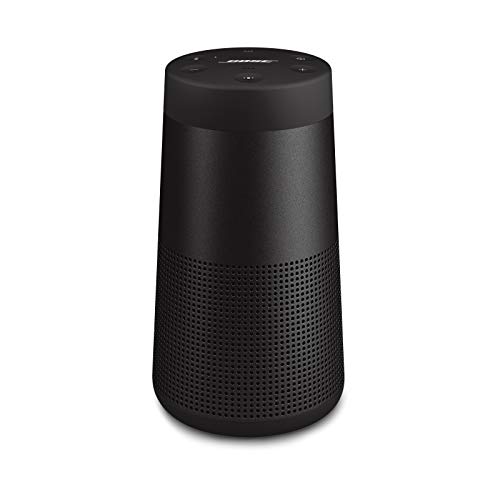
- SoundLink Revolve: Revolve e Revolve Plus usano cabinet cilindrici per diffondere il suono nella stanza. Sono adatti al posizionamento centrale e all'ascolto in compagnia più che a chi cerca il normale stereo sinistra-destra da un solo involucro.
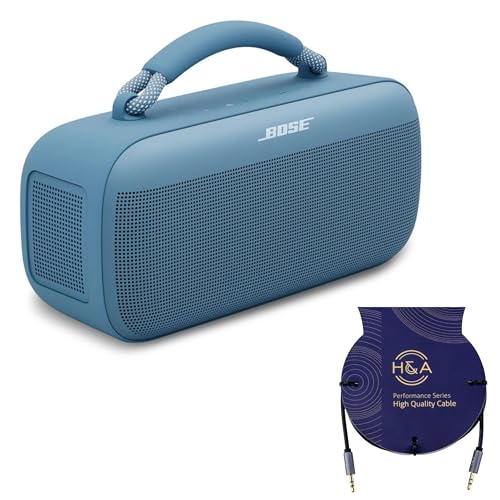
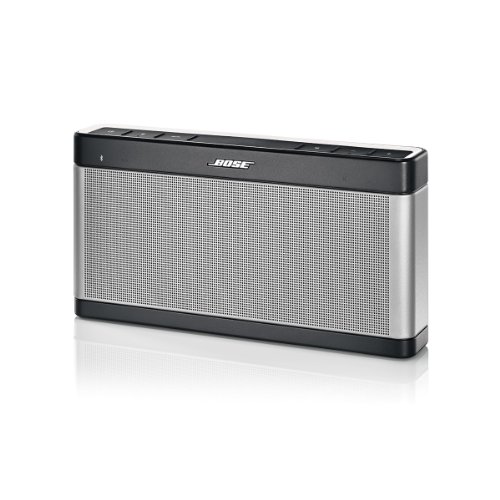
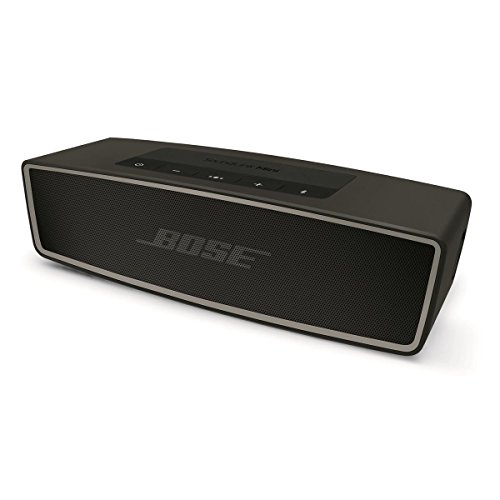
- SoundLink Plus e Max: questi modelli Bluetooth più grandi aggiungono bassi, potenza e capacità della batteria, pur restando più facili da trasportare di un sistema da festa. Sono adatti a giardini e stanze grandi dove Micro o Flex hanno poco margine.
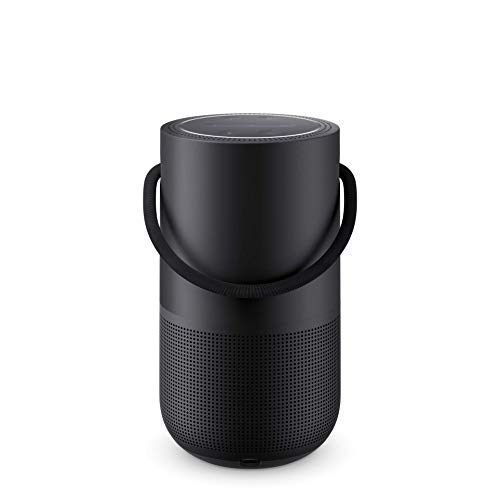
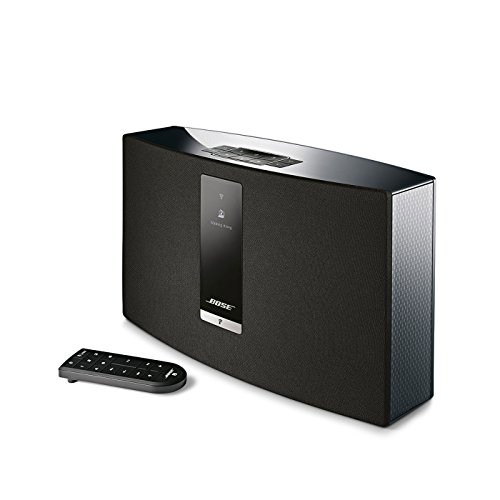
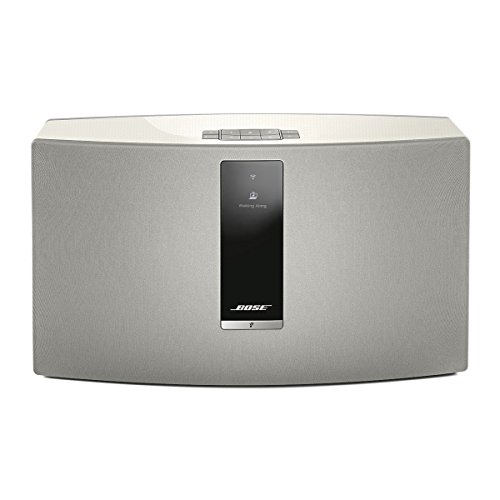
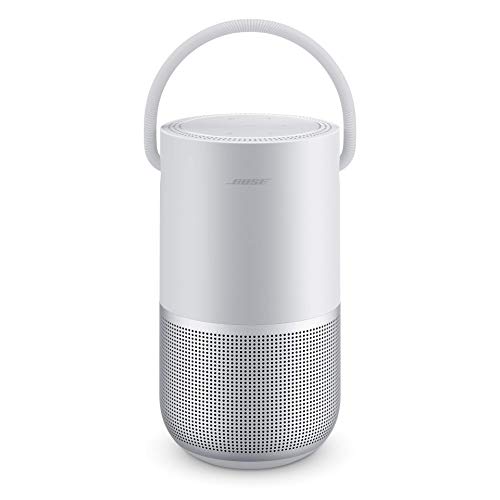
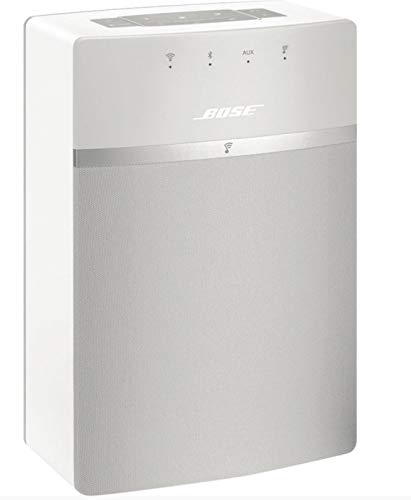
- Portable Smart e SoundTouch: Portable Smart Speaker aggiunge Wi‑Fi e funzioni vocali o multi-room, mentre i prodotti SoundTouch più vecchi usano un ecosistema precedente. Sono orientati alla casa e la compatibilità tra generazioni va controllata con attenzione.
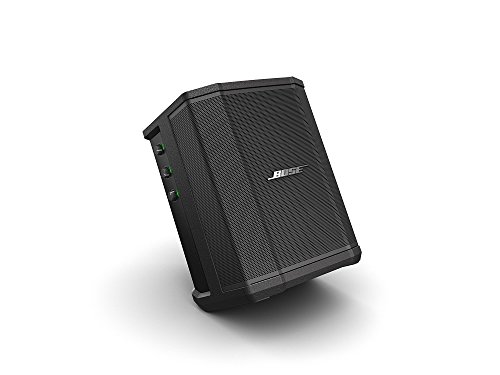
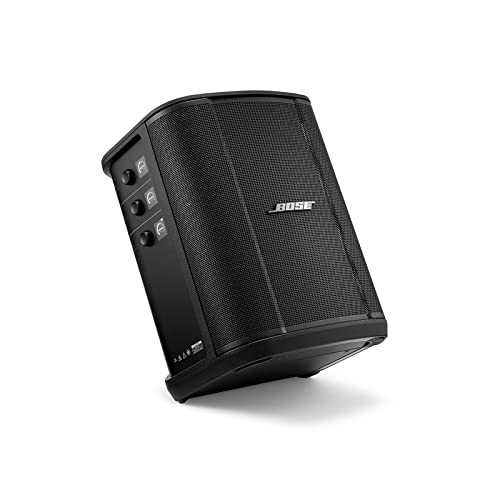
- S1 Pro: S1 Pro e S1 Pro Plus sono sistemi ad alte prestazioni alimentabili a batteria, pensati anche per microfono e strumenti. Sono molto più grandi e costosi dei modelli SoundLink, ma servono per presentazioni, esibizioni e piccoli eventi.
Quanto costano gli altoparlanti portatili Bose?
Gli altoparlanti portatili Bose costano generalmente circa 90–600 €. I modelli compatti SoundLink Micro e Flex si collocano intorno a 90–150 €, Revolve e i SoundLink più grandi occupano comunemente la fascia 200–350 € e i prodotti Portable Smart con Wi‑Fi si trovano di solito intorno a 350–450 €.
Gli altoparlanti S1 Pro per prestazioni possono arrivare a circa 600 € perché aggiungono amplificatore, batteria e capacità per microfono o strumenti più grandi. Confronta attentamente le generazioni: un modello vecchio a prezzo basso può usare ricarica o app legacy, mentre un SoundLink attuale di fascia media può essere un acquisto migliore a lungo termine.
Come si confrontano gli altoparlanti portatili Bose con i modelli JBL?
Gli altoparlanti portatili Bose si confrontano con i modelli JBL nei seguenti ambiti:
- Carattere sonoro: Bose punta di solito su una taratura fluida e controllata e su voci chiare, mentre JBL spesso enfatizza bassi più energici e impatto all'aperto. Bose è adatto all'ascolto rilassato in casa; JBL offre più scelta per feste e volume elevato.
- Struttura della gamma: Bose ha una scala più piccola e curata, da Micro e Flex a Revolve, Max, altoparlanti smart e S1 Pro. JBL spazia dai piccoli Clip e Go alle famiglie Flip, Charge, Xtreme, Boombox, Pulse e PartyBox.
- Robustezza e funzioni: entrambi i marchi offrono modelli impermeabili, ma JBL propone più dimensioni per esterni, opzioni di illuminazione, funzioni power bank e collegamento party. Bose si concentra su design compatto, copertura della stanza a 360° e comandi sobri.
- Uso smart home: Bose offre alcuni modelli Wi‑Fi e smart speaker, ma la compatibilità cambia tra generazioni. JBL ha complessivamente meno modelli orientati alla casa, sebbene alcuni prodotti Wi‑Fi supportino Chromecast o AirPlay.
- Valore: JBL di solito offre più potenza e varietà di funzioni a ogni prezzo, mentre Bose fa pagare di più taratura, finitura e design acustico compatto. La scelta migliore dipende dal fatto che contino di più raffinatezza o massima capacità per euro.
Che cosa considerare per scegliere il miglior altoparlante portatile Bose?
Quando scegli il miglior altoparlante portatile Bose, considera i seguenti fattori:
- Portabilità e copertura: SoundLink Micro 2nd Gen pesa circa 330 g e Flex circa 590 g, mentre i modelli Revolve pesano circa 660–900 g e sono adatti al posizionamento centrale in una stanza. Plus sale a circa 1,5 kg, Max a 2,1 kg e S1 Pro Plus a 6,5 kg, quindi i modelli più grandi richiedono una maniglia, trasporti brevi o un veicolo invece di una normale borsa da giorno.
- Suono e distanza d'ascolto: la potenza dichiarata va da circa 5 W per Micro 2nd Gen e circa 20 W per Flex 2nd Gen fino a circa 150–160 W per i modelli S1 Pro; Plus e Max si collocano tra la classe compatta e quella per eventi. Confronta chiarezza delle voci e compressione dei bassi al volume previsto; l'ampia dispersione di Revolve è utile ai gruppi, mentre un Max direzionale può suonare più concentrato da una zona di seduta.
- Batteria e ricarica: le generazioni Micro sono indicate per circa 6–12 ore, Flex per circa 12 ore, Revolve per circa 12–17 ore e Plus o Max fino a circa 20 ore; i modelli S1 Pro si avvicinano alle 11 ore. Usa 12 ore come obiettivo pratico per una giornata fuori, poi controlla USB-C, compatibilità con la base di ricarica, riproduzione durante la ricarica e possibilità di assistenza, perché le generazioni più vecchie usano sistemi di ricarica diversi.
- Protezione dall'acqua e gestione: Micro e Flex sono le opzioni Bose più sicure per pioggia, bordo piscina o ambienti umidi, ma i loro gradi IP e design per il fissaggio differiscono. Revolve, Portable Smart e S1 Pro privilegiano uso in stanza o agli eventi, quindi non dedurre la protezione per esterni dal cabinet più grande o dalla finitura premium.
- App e collegamento tra altoparlanti: i vecchi modelli SoundLink possono usare Bose Connect, mentre Portable Smart e prodotti più recenti possono usare Bose Music; abbinamento stereo e party sono limitati dalla famiglia e dalla generazione. Prima di acquistare un secondo altoparlante, verifica che la coppia esatta da combinare supporti la stessa app e modalità di collegamento.
- Wi‑Fi, microfoni e ingressi: Portable Smart è il modello indicato quando contano streaming Wi‑Fi e funzioni vocali, mentre S1 Pro è la scelta per ingressi microfono o strumenti. Micro, Flex, Revolve, Plus e Max sono principalmente altoparlanti musicali Bluetooth; conferma separatamente AUX, vivavoce, multipoint e supporto all'assistente vocale invece di presumere che un modello più grande li includa.