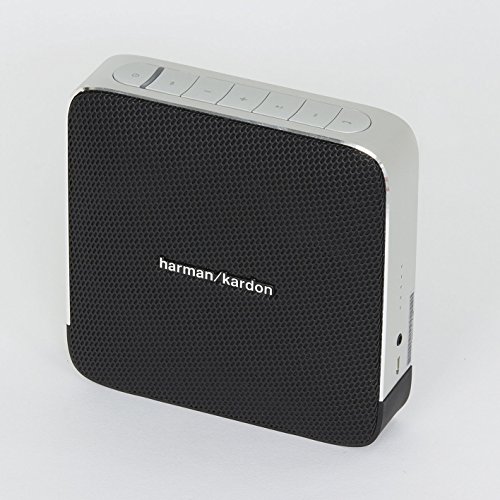
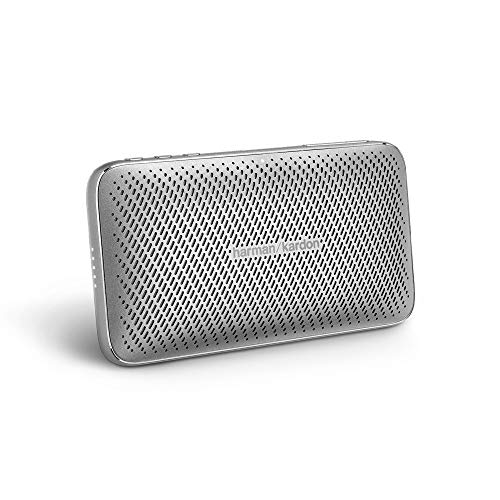
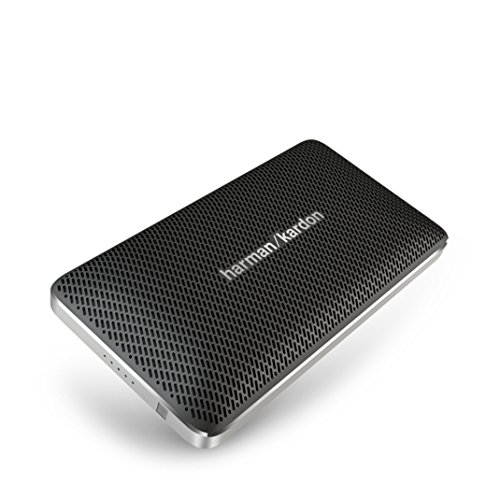
Gli altoparlanti portatili Harman Kardon sono validi?
Gli altoparlanti portatili Harman Kardon hanno un punteggio complessivo medio di 7.3, si classificano al numero #18 tra i marchi di altoparlanti portatili comparabili e hanno una valutazione degli utenti di 9.5, che li colloca al numero #3 in base alle recensioni degli utenti.
Gli altoparlanti portatili Harman Kardon danno il meglio per design elegante, suono caldo e spazioso e scelta flessibile, dai prodotti Esquire o Luna adatti alla scrivania ai Go + Play alimentati a batteria e ai grandi sistemi Onyx. I prodotti Citation aggiungono una rete domestica abilitata da Google nelle generazioni supportate.
Sono meno adatti quando serve una protezione IP uniforme, una gamma semplice per l'esterno, illuminazione RGB da festa o chiarezza delle funzioni tra generazioni. Molti modelli richiedono la corrente di rete e i vecchi prodotti Citation, Omni o Onyx possono usare app e standard di streaming diversi.
Il grafico seguente confronta i marchi di altoparlanti portatili in base al punteggio complessivo medio.
[horizontal-chart-16826570532110669241166463899741574182283116530753]
Quali sono i principali vantaggi degli altoparlanti portatili Harman Kardon?
I principali vantaggi degli altoparlanti portatili Harman Kardon sono i seguenti:
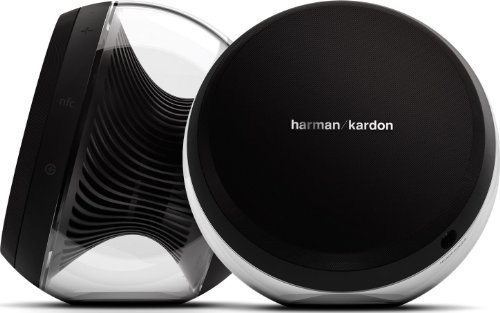
- Design industriale elegante: Harman Kardon usa cabinet curvi, tessuti, comandi illuminati e forme trasparenti o scultoree distintive. Spesso i prodotti si integrano in un salotto più naturalmente degli altoparlanti da festa robusti.
- Suono caldo e spazioso: I modelli Onyx, Go + Play e Citation possono offrire un'ampia copertura della stanza con un equilibrio morbido e ricco di bassi. Sono adatti a pop, voci e ascolto domestico informale senza richiedere un lungo lavoro di equalizzazione.
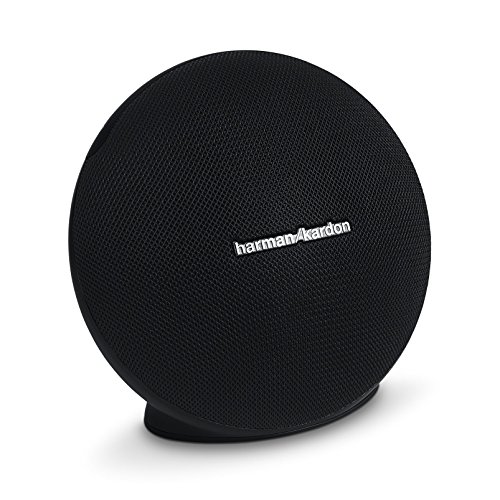
- Ampia gamma di formati: Neo, Luna ed Esquire servono scrivanie compatte e viaggi, Onyx e Go + Play aggiungono batteria o potenza con maniglia, mentre Aura o Citation puntano agli ambienti connessi. Gli acquirenti hanno così più di un modo per dare priorità allo spazio o al suono.
- Microfoni e assistenti utili: Diversi modelli includono microfoni per chiamate, assistenti vocali o controllo abilitato da Google. Il vantaggio è maggiore sui Citation e su alcuni prodotti portatili, non su ogni generazione Onyx.
- Forte integrazione domestica: Le famiglie Citation e Omni possono aggiungere Wi-Fi, Chromecast, AirPlay o funzioni multiroom nelle versioni supportate. Sono una scelta interessante quando il Bluetooth deve convivere con la riproduzione diretta dalla rete.
Quali sono i principali svantaggi degli altoparlanti portatili Harman Kardon?
I principali svantaggi degli altoparlanti portatili Harman Kardon sono i seguenti:
- Portabilità non uniforme: Neo, Luna e alcuni modelli Go + Play possono essere spostati, ma Aura, Citation, Omni e molti prodotti Onyx funzionano soprattutto collegati alla rete elettrica. Una maniglia o un profilo compatto non garantiscono una batteria realmente utile.
- Protezione dagli agenti atmosferici limitata: Solo una piccola parte della gamma offre una protezione del tipo IPX4, IPX7 o IP67. La maggior parte dei cabinet in tessuto e illuminati dovrebbe restare asciutta, anche quando il prezzo suggerisce una costruzione premium.
- Software dipendente dalla generazione: Le generazioni Citation, Omni e Onyx usano app, assistenti e standard di collegamento diversi. I prodotti più vecchi possono perdere servizi o non riuscire a unirsi ai diffusori attuali come previsto.
- Funzioni da festa ridotte: In genere Harman Kardon offre meno illuminazione RGB, karaoke e controllo degli ingressi per eventi rispetto a JBL o LG. I sistemi più grandi privilegiano un elegante suono domestico rispetto all'intrattenimento all'aperto.
- Modelli superiori pesanti: I cabinet Go + Play, Onyx Studio, Citation e Aura possono pesare diversi chilogrammi. I bassi più forti e la resa nella stanza sono utili al chiuso, ma questi modelli non sono pratici da trasportare per lunghe distanze.
Chi produce gli altoparlanti portatili Harman Kardon?
Gli altoparlanti portatili Harman Kardon sono prodotti con il marchio Harman Kardon da HARMAN International, azienda di audio e tecnologie connesse nata dall'attività hi-fi del 1953 di Sidney Harman e Bernard Kardon. I primi ricevitori Harman Kardon hanno consolidato l'attenzione del marchio per ingegneria e design insieme.
HARMAN International ha sede a Stamford, nel Connecticut, ed è diventata una consociata interamente controllata da Samsung Electronics nel 2017. HARMAN continua a gestire i propri marchi audio, l'ingegneria, il software e la distribuzione, beneficiando al contempo della portata globale di Samsung.
I prodotti Harman Kardon comprendono altoparlanti consumer, cuffie, home cinema e audio connesso. Gli altoparlanti portatili e mobili combinano i cabinet orientati al design del marchio con elettronica Bluetooth o Wi-Fi, ma piattaforma, batteria e funzioni per l'esterno dipendono dalla specifica famiglia Neo, Onyx, Go + Play, Aura o Citation.
Quali sono le principali serie di altoparlanti portatili Harman Kardon?
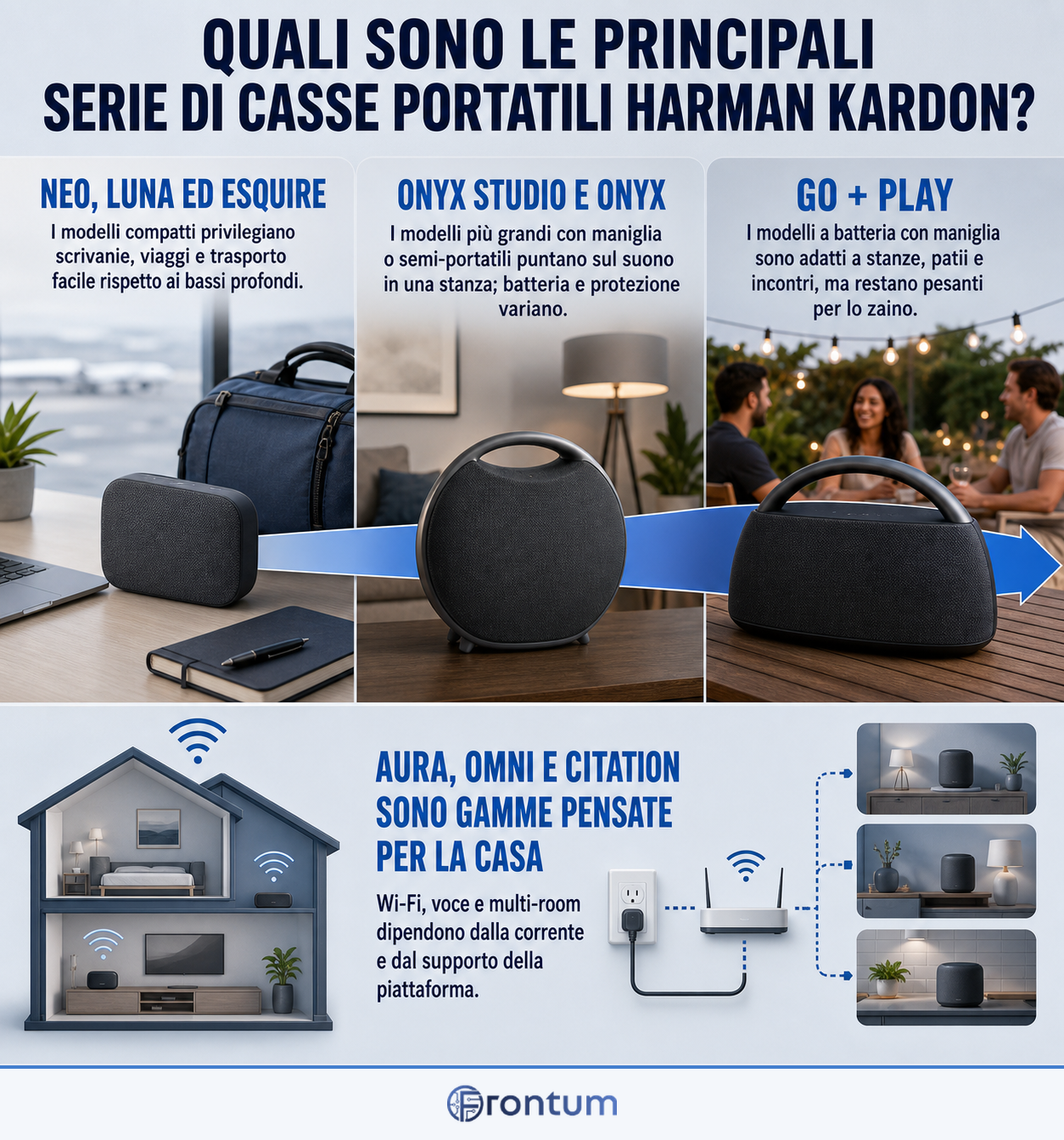
Le principali serie di altoparlanti portatili Harman Kardon sono le seguenti:
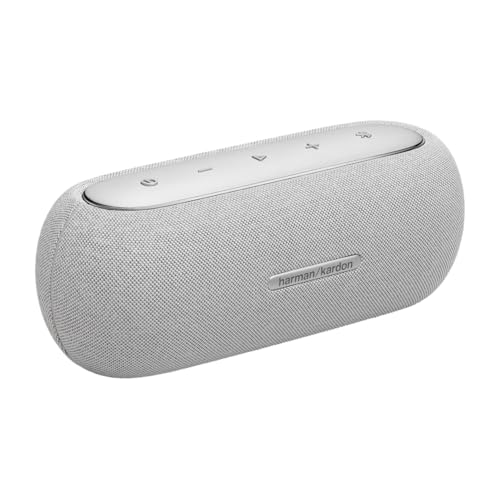
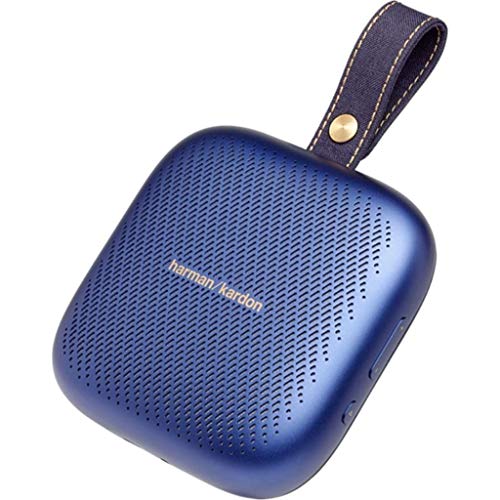
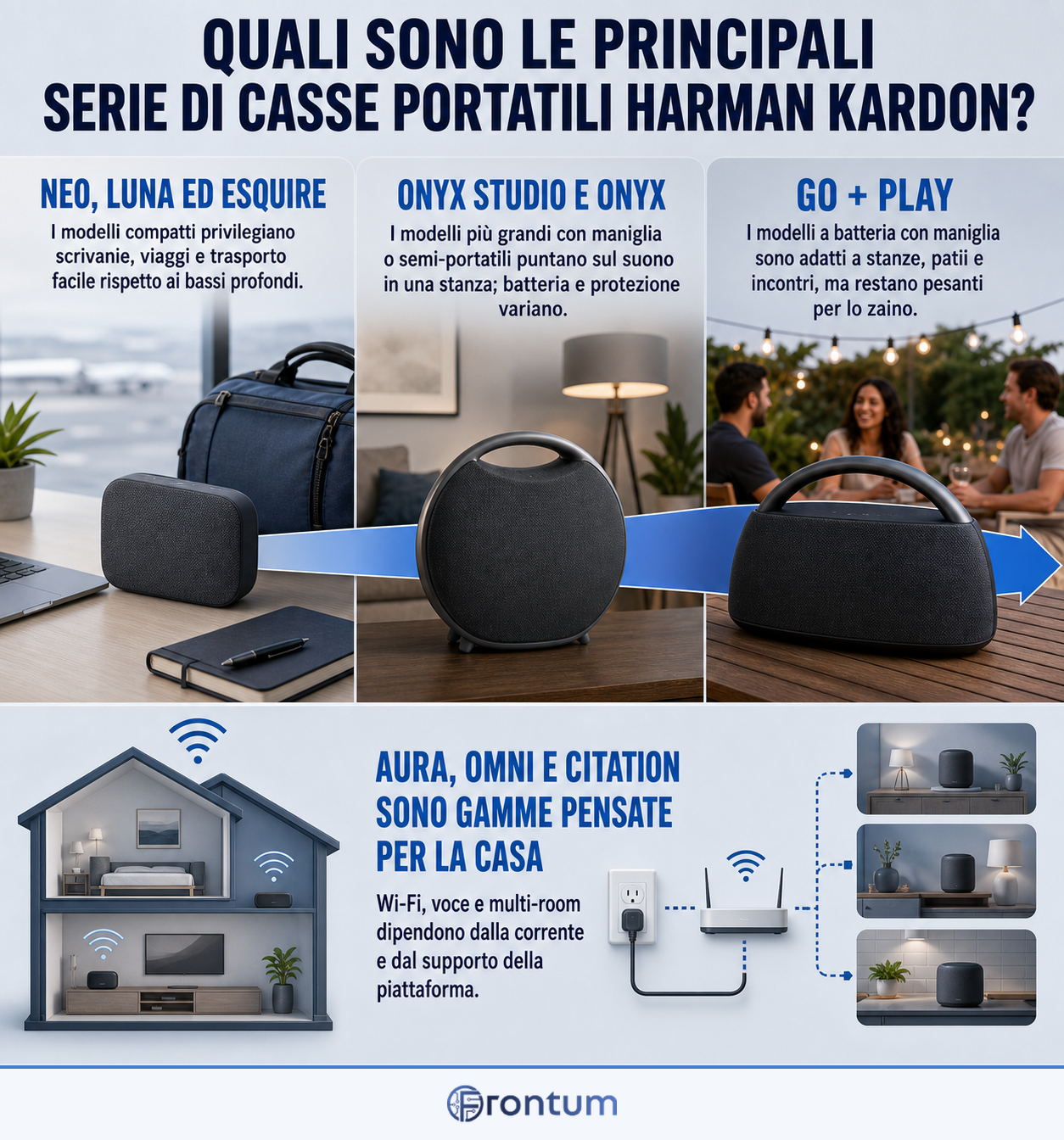
- Neo, Luna ed Esquire: Questi modelli compatti sono pensati per scrivanie, viaggi e ascolto personale; Luna e Neo aggiungono capacità più moderne adatte all'esterno rispetto alle vecchie generazioni Esquire. I cabinet più piccoli sacrificano bassi profondi per facilitare il trasporto.
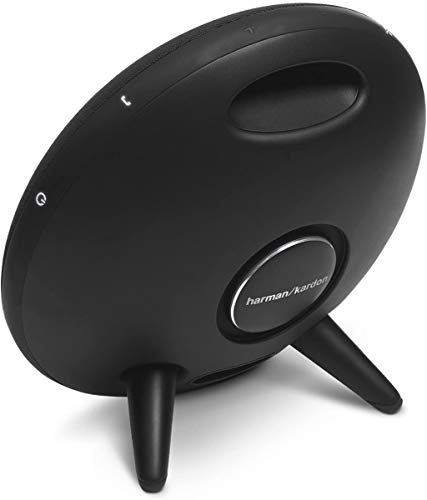
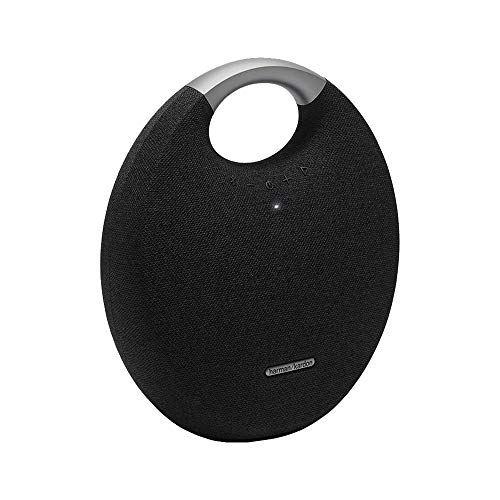
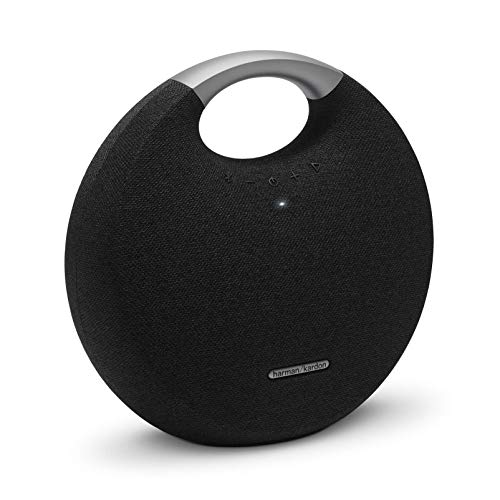
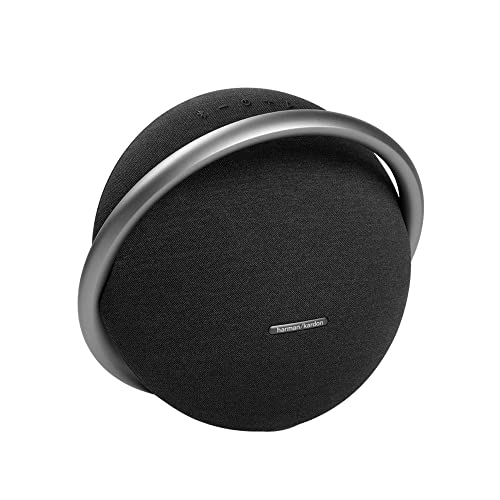
- Onyx Studio e Onyx: Le generazioni Onyx Studio offrono un suono da stanza con maniglia o semiportatile, mentre i modelli Onyx aggiungono uno stile distintivo del cabinet e driver più grandi. Funzionamento a batteria e protezione dall'acqua variano, quindi controlla ogni generazione.
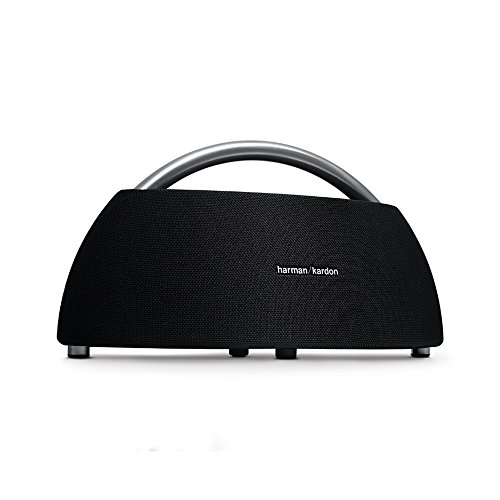
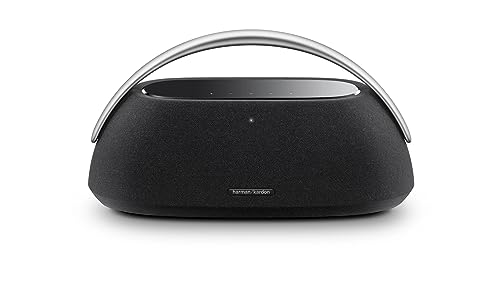
- Go + Play: Go + Play e Go + Play 3 sono altoparlanti a batteria con maniglia, maggiore potenza e una forma più convenzionale e adatta ai viaggi. Sono più indicati per stanze, patii e riunioni rispetto ai modelli tascabili, ma restano pesanti per gli zaini.
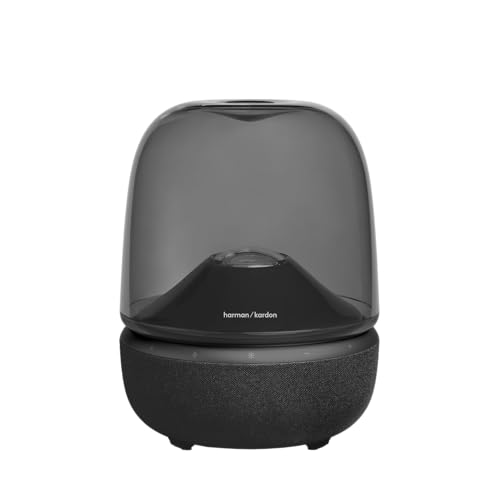
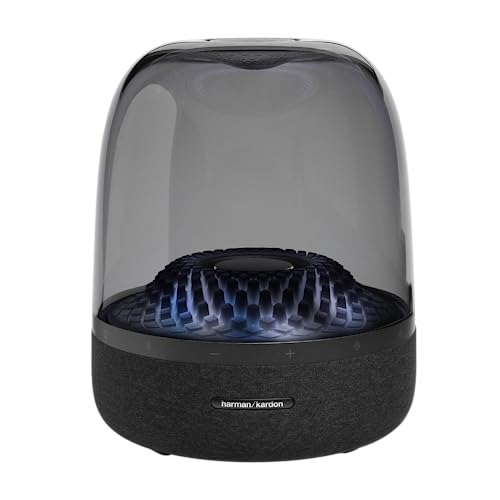
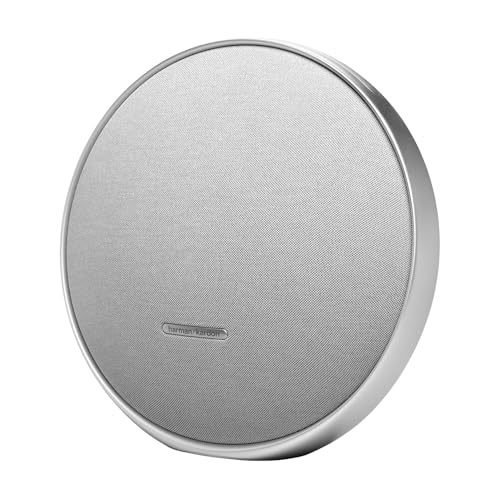
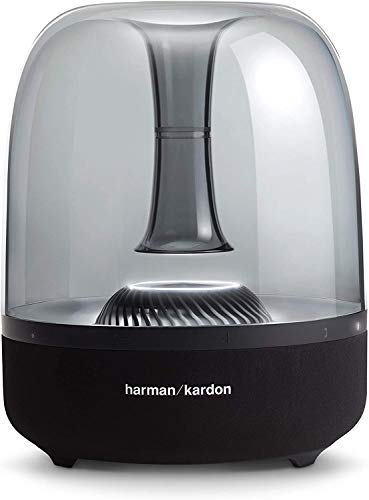
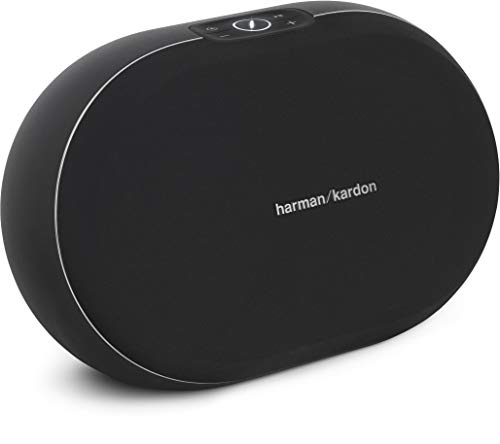
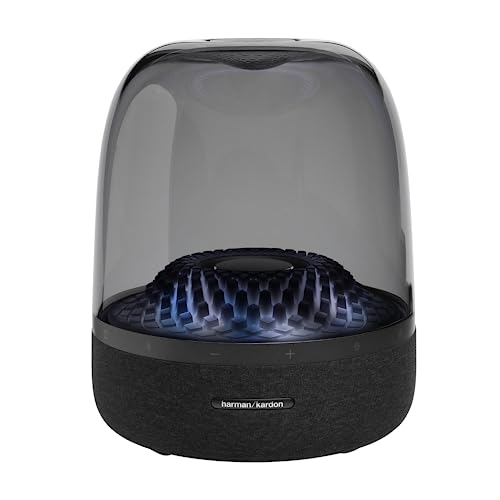
- Aura e Omni: I prodotti Aura e Omni sono altoparlanti domestici orientati al design, spesso alimentati dalla rete e talvolta compatibili con la rete. Si spostano all'interno di una stanza, ma non sono portatili nel senso di uso all'aperto.
- Citation: Citation One, 100, 200, 300 e 500 formano una gamma domestica abilitata al Wi-Fi nelle generazioni supportate. Offrono controllo vocale e potenziale multiroom, ma dimensioni, dipendenza dalla rete elettrica e requisiti della piattaforma li rendono prima di tutto altoparlanti domestici.
Quanto costano gli altoparlanti portatili Harman Kardon?
Gli altoparlanti portatili Harman Kardon costano in genere circa 100–650 €. I modelli Neo e Luna si collocano di solito intorno a 100–150 €, Onyx Mini o i vecchi modelli Onyx Studio intorno a 130–250 €, mentre Go + Play o i prodotti Onyx più grandi si collocano intorno a 250–350 €. Questi passaggi riflettono in genere il volume del cabinet, le dimensioni della batteria e la potenza dell'amplificatore.
Citation, Aura e i più grandi altoparlanti domestici possono costare circa 240–650 € perché aggiungono Wi-Fi, controllo vocale, funzioni multiroom o una copertura molto maggiore della stanza. Conferma funzionamento a batteria e generazione software prima di pagare un sovrapprezzo per un prodotto che potrebbe essere pensato per una mensola anziché per i viaggi.
Come si confrontano gli altoparlanti portatili Harman Kardon con i modelli JBL?
Gli altoparlanti portatili Harman Kardon si confrontano con i modelli JBL nei seguenti ambiti:
- Suono e design: Harman Kardon combina di solito un suono morbido e caldo con cabinet scultorei e finiture in tessuto. JBL offre un carattere più apertamente energico, da esterno e da festa, con design robusti e passaggi di formato più chiari.
- Gamma portatile: Harman Kardon ha i modelli compatti Neo e Luna oltre a Go + Play, ma molti prodotti Onyx, Aura e Citation sono altoparlanti da stanza. JBL offre più formati realmente alimentati a batteria, da Clip e Flip fino a Xtreme e Boombox.
- Resistenza agli agenti atmosferici: JBL applica la protezione dall'acqua a una parte maggiore della sua gamma portatile principale. Harman Kardon ha alcuni modelli protetti, ma molti prodotti attraenti in tessuto o illuminati sono solo per interni.
- Audio smart: Citation e Omni possono aggiungere Wi-Fi, assistente e funzioni multiroom, mentre JBL usa la propria app e un approccio di collegamento per le feste. Verifica piattaforma e generazione prima di acquistare uno dei due marchi per la riproduzione in rete.
- Scelta d'acquisto: Scegli Harman Kardon per design interno curato e suono caldo nella stanza. Scegli JBL per resistenza all'aperto, opzioni RGB e karaoke, formati da festa più forti e un percorso di aggiornamento a batteria più semplice.
Cosa bisogna considerare quando si sceglie il miglior altoparlante portatile Harman Kardon?
Quando scegli il miglior altoparlante portatile Harman Kardon, considera i seguenti fattori:
- Portabilità e collocazione: Neo pesa circa 251 g e Luna circa 710 g, mentre i modelli Go + Play pesano circa 3,4–4,7 kg; i modelli Onyx, Aura e Citation pesano comunemente 2–7,6 kg e sono soprattutto altoparlanti da stanza. Conferma funzionamento a batteria e peso della generazione esatta, perché una maniglia scultorea non garantisce un uso pratico in viaggio.
- Potenza e dimensioni della stanza: Neo o Luna sono adatti all'ascolto ravvicinato, Go + Play e Onyx coprono con più efficacia un soggiorno o un giardino, mentre Aura o Citation privilegiano copertura interna e design. Confronta controllo dei bassi e chiarezza delle voci alla distanza prevista invece di passare automaticamente alla potenza più alta, che può aumentare le dimensioni senza migliorare la portabilità.
- Batteria e ricarica: Go + Play, Luna e alcune generazioni Onyx includono batterie, ma autonomia, tipo di connettore e possibilità di assistenza della batteria variano molto; molti prodotti Citation e Aura richiedono la corrente di rete. I modelli a batteria sono comunemente indicati per circa 8–12 ore, con Neo vicino a 10 ore e Luna o Go + Play intorno a 8–12 ore; molti prodotti Citation e Aura non hanno affatto una batteria. Controlla il tempo di riproduzione a volume realistico, l'adattatore di ricarica, il supporto USB-C, il consumo in standby e se la potenza completa è disponibile lontano da una presa.
- Protezione dagli agenti atmosferici: Luna e alcune nuove uscite portatili sono le scelte pertinenti quando serve un grado IP, mentre la maggior parte dei modelli Onyx, Aura, Citation e dei vecchi Go + Play è pensata per l'uso asciutto. Verifica il codice IP completo e le istruzioni sui copriporta invece di supporre che materiali premium o una maniglia offrano resistenza alla pioggia.
- Bluetooth, Wi-Fi e supporto dell'app: Neo, Luna e molti modelli Go + Play puntano sul Bluetooth, mentre Citation e alcune famiglie domestiche possono aggiungere Wi-Fi, AirPlay, Chromecast o piattaforme vocali. Confronta generazione esatta, app supportata, stato del firmware, regole stereo o multiroom e supporto dei servizi nella tua regione prima di entrare in un ecosistema vecchio.
- Microfoni, comandi e ingressi: I microfoni Citation sono destinati al controllo con assistente vocale, mentre il microfono di un Go + Play o Onyx può servire per le chiamate, e nessuna delle due funzioni equivale a un ingresso per karaoke. Verifica AUX, USB, ingresso microfono, comandi mute, multipoint e supporto al collegamento tra altoparlanti sul modello esatto, perché queste funzioni sono distribuite tra le famiglie, i cui prezzi vanno indicativamente da 100–150 € per Neo o Luna a 200–350 € per Onyx e Go + Play e 180–650 € per Citation, Aura o i modelli da stanza più grandi.