Quali marche producono i migliori altoparlanti portatili economici?
Le marche che producono i migliori altoparlanti portatili economici sono le seguenti:
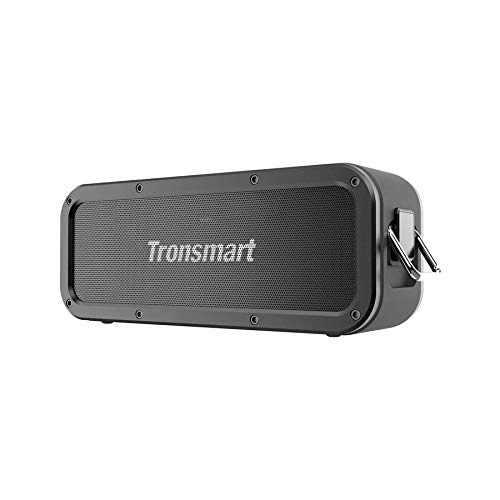
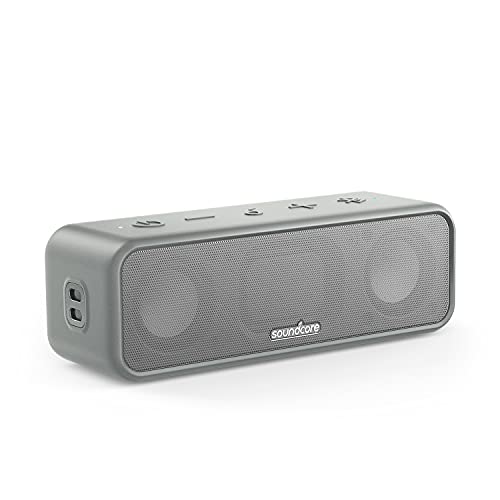
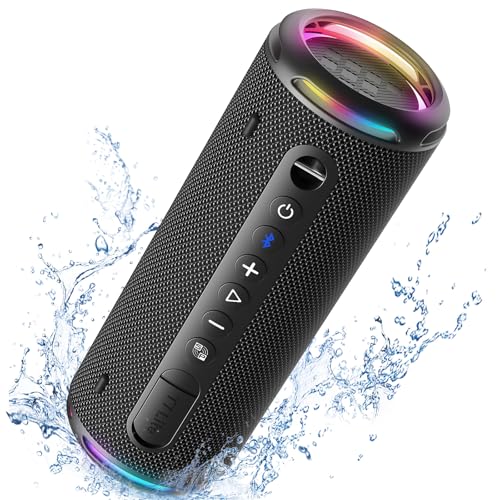
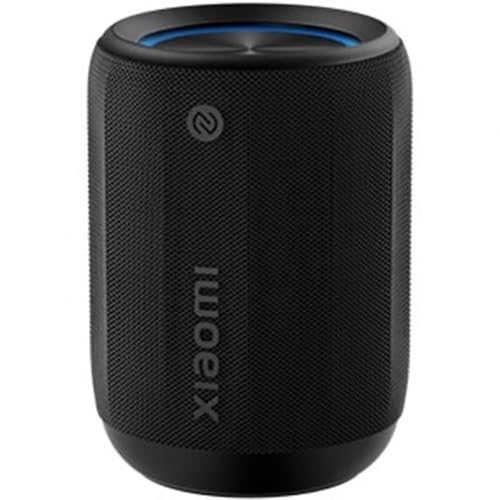
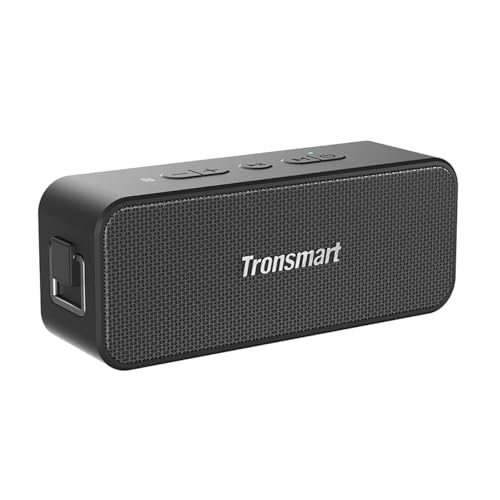
- Tronsmart (Punteggio complessivo medio: 7.4)
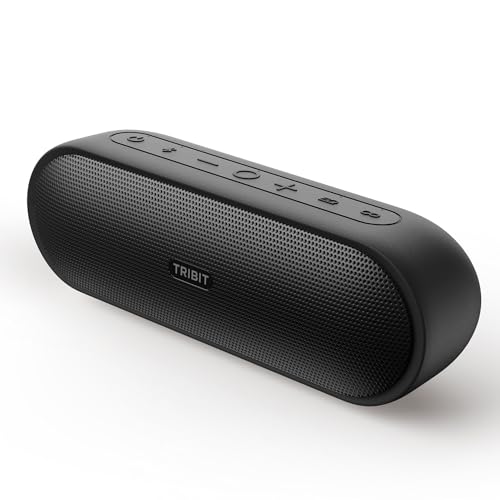
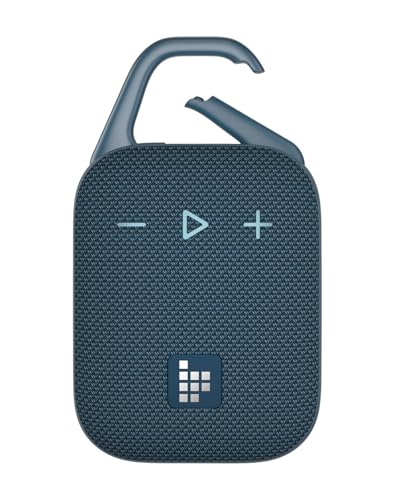
- Tribit (Punteggio complessivo medio: 7.3)
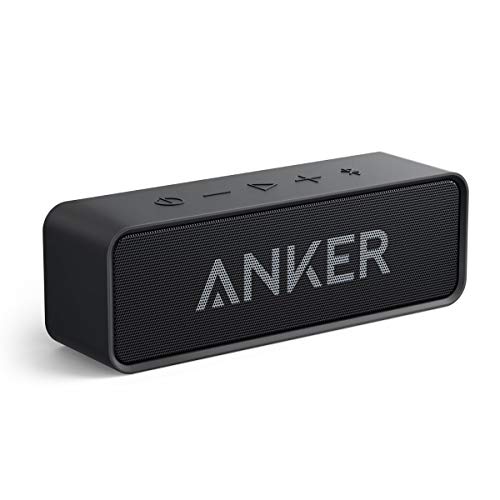
- Anker (Punteggio complessivo medio: 7.2)
Il grafico seguente classifica le marche che producono altoparlanti portatili economici in base al punteggio complessivo medio.
[horizontal-chart-09053229427301442607156432070173874818451248458144]
Vale la pena acquistare altoparlanti portatili economici?
Gli altoparlanti portatili economici valgono la pena quando vuoi un modello conveniente e facile da trasportare per podcast, musica di sottofondo, scrivania, cucina o viaggi occasionali. I modelli nella parte alta della fascia economica, circa 20–50 €, offrono spesso il miglior rapporto qualità-prezzo perché possono aggiungere un'autonomia utile, ricarica USB-C e una resistenza all'acqua di base senza avvicinarsi ai prezzi della fascia media.
Sono meno convenienti se ti aspetti bassi profondi, un volume pulito per riempire una stanza, riproduzione all'aperto per tutto il giorno o un supporto affidabile per app e firmware. Considera un modello ultraeconomico come un semplice altoparlante secondario e spendi di più quando qualità sonora, robustezza, prestazioni del microfono o affidabilità della batteria nel tempo sono fondamentali; un modello da 30–50 € scelto bene è di solito un acquisto migliore che sostituire continuamente quello più economico.
Quanto suonano bene gli altoparlanti portatili economici?
Gli altoparlanti portatili economici possono suonare bene per voce, musica di sottofondo e ascolto ravvicinato quando il volume resta nella loro zona pulita. I limiti principali sono l'estensione dei bassi, l'ampiezza stereo e la tenuta ad alto volume; un prezzo basso non fa scomparire questi vincoli.
Circa 3–8 W sono sufficienti per una scrivania o una camera da letto, mentre 10–30 W offrono più margine per una cucina o un piccolo gruppo all'aperto. Confronta la chiarezza delle voci e la distorsione invece della potenza di picco e ricorda che un radiatore passivo o un aumento dei bassi può far sembrare più pieno un altoparlante piccolo, riducendo però l'autonomia e mascherando i dettagli.
Un altoparlante economico è una scelta sensata quando comodità e basso rischio contano più della potenza capace di riempire una stanza. Se ascolti spesso all'aperto, vuoi bassi potenti o ti serve un suono chiaro in una stanza rumorosa, passare alla fascia di prezzo successiva o a un cabinet più grande è di solito un aggiornamento migliore che acquistare due modelli ultraeconomici.
Quanto durano con una carica gli altoparlanti portatili economici?
Gli altoparlanti portatili economici durano di solito circa 5–20 ore per carica, con circa 10 ore come obiettivo quotidiano utile. L'autonomia dichiarata presuppone normalmente volume moderato, semplice riproduzione Bluetooth e nessuna illuminazione o ricarica del telefono; volume elevato ed equalizzazione ricca di bassi possono ridurla sensibilmente.
La ricarica richiede comunemente circa 2–4 ore, ma i modelli economici possono usare una ricarica lenta, Micro-USB o un adattatore facile da perdere. Per un'intera giornata lontano da una presa, preferisci USB-C, un indicatore chiaro della batteria, la riproduzione durante la ricarica e almeno 15 ore a volume moderato; per pendolarismo o viaggi brevi, una batteria più piccola è accettabile se ricaricare è comodo.
Il grafico sotto mostra la distribuzione dell'autonomia degli altoparlanti portatili economici.
[vertical-chart-02543032239734239726124166731507763173794164052099]
Quali compromessi sono comuni negli altoparlanti portatili economici?
I compromessi comuni negli altoparlanti portatili economici sono i seguenti:
- Bassi e volume: i piccoli driver e gli amplificatori modesti limitano di solito i bassi profondi e un'uscita pulita oltre circa 8–15 W nell'uso reale. Le modalità di potenziamento dei bassi possono dare impatto a basso volume, ma spesso aggiungono distorsione quando si alza.
- Ricarica e costanza della batteria: un altoparlante economico può dichiarare 10–20 ore in condizioni leggere, ma offrire meno a volume alto o con l'illuminazione attiva. Una ricarica lenta o un connettore datato può essere più scomodo di una batteria leggermente più piccola.
- Funzioni wireless e multimediali: il Bluetooth è normalmente abbastanza affidabile, ma multipoint, modalità a bassa latenza, Wi‑Fi, AUX, audio USB e abbinamento stereo sono meno uniformi tra i modelli economici. Conferma l'elenco esatto degli ingressi invece di presumere che USB-C trasporti audio digitale.
- Protezione da acqua e urti: alcuni modelli economici resistono agli schizzi, ma un grado IP elevato, la tenuta alla polvere e la protezione dalle cadute sono caratteristiche distinte. Porte senza copertura e una base poco stabile possono restare punti deboli anche se il cabinet sembra robusto.
- Controlli e supporto: i pulsanti fisici possono risultare meno precisi e le app complementari o il supporto firmware possono essere limitati. È importante quando servono EQ, indicazione della batteria, comandi di chiamata o aggiornamenti affidabili invece del semplice play/pausa.
Che cosa controllare prima di acquistare un altoparlante portatile economico?
Prima di acquistare un altoparlante portatile economico, controlla i seguenti fattori:
- Fascia di prezzo e dimensioni: sotto 20 € di solito significa suono di base e controlli più semplici, mentre 20–50 € possono offrire più potenza, autonomia migliore o resistenza all'acqua. Confronta un cabinet leggermente più grande con un modello minuscolo e ultraeconomico, perché il volume aggiuntivo spesso migliora i bassi più di un aumento nominale dei watt.
- Potenza e distorsione: circa 3–8 W sono adatti all'ascolto ravvicinato; 10–30 W danno più margine per una cucina o un piccolo gruppo. Cerca test d'ascolto indipendenti o possibilità di reso e non considerare i watt di picco una garanzia di volume pulito.
- Batteria e ricarica: punta ad almeno 10 ore di riproduzione dichiarata e preferisci 15–20 ore per le giornate di viaggio. Controlla se il dato usa un volume moderato, se è presente USB-C o Micro-USB e quanto dura una ricarica completa.
- Taratura del suono: un radiatore passivo o l'EQ possono rendere i bassi più piacevoli, ma aumenti aggressivi possono coprire le voci e ridurre l'autonomia. Dai priorità a parlato chiaro e acuti controllati se l'altoparlante riprodurrà podcast o radio per lunghi periodi.
- Protezione e trasporto: IPX5 è un obiettivo pratico contro gli schizzi per l'uso all'aperto, ma controlla anche le coperture delle porte e la stabilità della base. Una cinghia o una presa sicura possono essere più utili delle luci decorative se l'altoparlante viene trasportato spesso.
- Connessioni e controlli: verifica separatamente Bluetooth multipoint, AUX, riproduzione USB, supporto per schede di memoria, vivavoce e abbinamento stereo. I modelli economici spesso omettono una o più di queste funzioni pur usando la stessa generica etichetta Bluetooth.