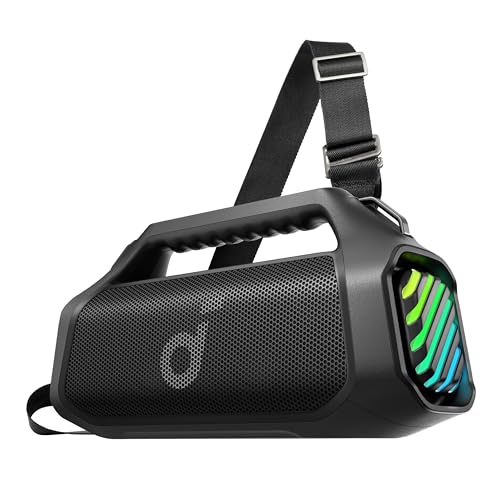
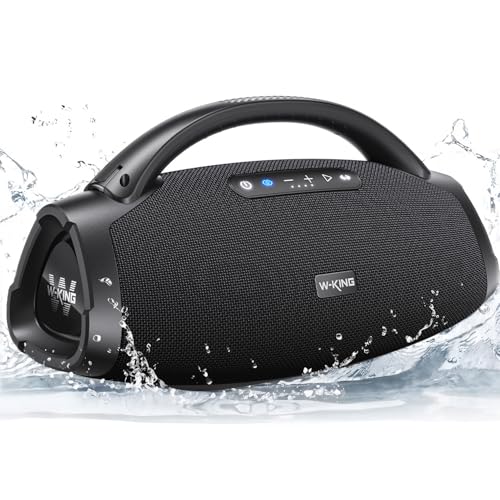
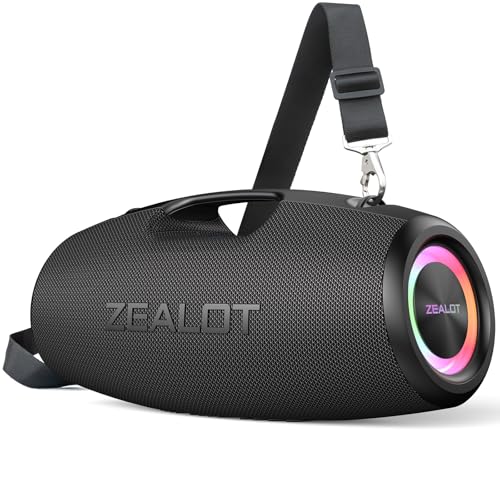
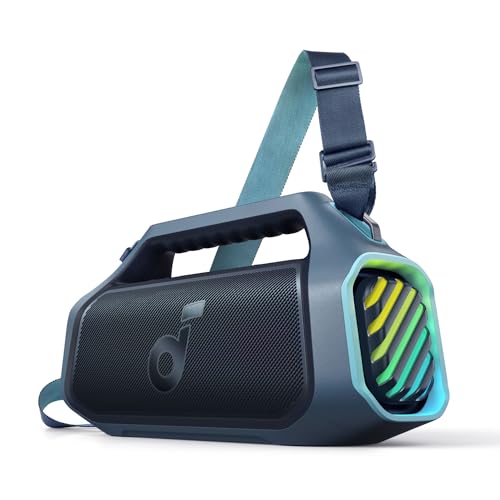
Quali marche producono i migliori altoparlanti portatili con luci?
Le marche che producono i migliori altoparlanti portatili con luci sono le seguenti:
- Anker (Punteggio complessivo medio: 7.9)
- Xiaomi (Punteggio complessivo medio: 7.9)
- Sony (Punteggio complessivo medio: 7.9)
Il grafico seguente classifica le marche che producono altoparlanti portatili con luci in base al punteggio complessivo medio.
[horizontal-chart-08933215105478978776058359133324602257611156868598]
Le luci degli altoparlanti portatili possono sincronizzarsi con la musica?
Sì, molte luci degli altoparlanti portatili possono sincronizzare i propri effetti con la musica, ma il comportamento preciso dipende dal controller dell’illuminazione e dall’app complementare. Le modalità di sincronizzazione a ritmo analizzano il segnale musicale e variano colore, luminosità o movimento, mentre le scene preimpostate eseguono semplicemente un motivo ripetuto senza seguire la canzone.
Alcuni altoparlanti analizzano l’audio internamente, quindi la sincronizzazione funziona anche con FM, AUX o la riproduzione locale; altri usano un’app o un microfono e reagiscono ai suoni nella stanza. Le modalità basate sul microfono possono reagire alle voci e al rumore di fondo, mentre l’analisi diretta del segnale è di solito più precisa con la riproduzione Bluetooth.
La risposta è più facile da notare con un ritmo marcato e un volume moderato. Canzoni molto lente, riproduzione distorta o forte rumore ambientale possono far sembrare gli effetti in ritardo o irregolari, e i LED possono seguire l’energia dei bassi invece di ogni dettaglio musicale.
Cerca sensibilità, velocità e luminosità regolabili, oltre a un’opzione per un colore statico, se l’altoparlante verrà usato anche per l’ascolto normale. La sincronizzazione è più utile quando può essere disattivata rapidamente, salvata come scena separata e usata senza imporre il motivo lampeggiante più intenso o più distraente.
Quali modalità di illuminazione sono utili sugli altoparlanti portatili?
Le modalità di illuminazione più utili sugli altoparlanti portatili sono le seguenti:
- Effetti reattivi al ritmo: variano colore o luminosità con la musica e funzionano meglio per feste o animazioni di sottofondo informali. I controlli di sensibilità e velocità sono importanti, perché un effetto fisso ad alta energia diventa rapidamente stancante.
- Scene cromatiche preimpostate: scene statiche o con cambiamenti lenti aggiungono atmosfera senza lo sfarfallio della modalità sincronizzata al ritmo. Sono adatte a cene, videogiochi e ascolto normale quando le luci devono restare sullo sfondo.
- Controllo di luminosità e velocità: controlli separati per luminosità e velocità dell’animazione permettono di mantenere visibile l’effetto senza sprecare energia o dominare la stanza. Un’impostazione attenuata è anche più confortevole vicino a un televisore o a un letto.
- Modalità a colore singolo e luci spente: un singolo colore può abbinarsi alla stanza, mentre un vero interruttore di spegnimento preserva la batteria ed evita bagliori indesiderati. Non dare per scontato che il pulsante di accensione o il mute della riproduzione disattivi i LED.
- Effetti stroboscopici e lampeggianti: i lampi rapidi possono rendere più energica la modalità festa, ma sono inadatti ad alcune persone e possono distrarre vicino a bambini o animali. Un altoparlante sicuro dovrebbe permettere di evitarli completamente.
- Sincronizzazione di gruppo o stereo: collegare più altoparlanti compatibili può rendere l’illuminazione coerente in tutta la stanza. Verifica che la sincronizzazione degli effetti funzioni nella modalità Bluetooth, di coppia stereo o party scelta, non solo su una singola unità.
Quanto riducono le luci l’autonomia di un altoparlante portatile?
Le luci riducono l’autonomia di un altoparlante portatile, ma l’entità della riduzione dipende dalla luminosità dei LED, dall’animazione, dal carico dell’amplificatore e dalla capacità della batteria. Una luce colorata moderata può incidere poco, mentre strisce alla massima luminosità ed effetti rapidi possono consumare una parte significativa dell’energia che altrimenti alimenterebbe la riproduzione.
Un’aspettativa pratica è una riduzione dell’autonomia di circa il 5–20% con un’illuminazione normale, mentre i sistemi da festa più grandi o luminosi a volte perdono di più. Il volume elevato e le modalità ricche di bassi richiedono già più energia all’amplificatore, quindi usarli insieme può accorciare l’autonomia molto più rapidamente di una sola impostazione.
Considera l’autonomia dichiarata dal produttore una condizione di prova, non una garanzia con i LED accesi. Se è importante trascorrere un’intera giornata lontano dalla rete elettrica, preferisci un modello dichiarato per almeno 15–20 ore a volume moderato, verifica se l’app segnala il consumo della batteria per modalità e usa una scena statica o attenuata quando le luci sono decorative anziché essenziali.
Quanto costano gli altoparlanti portatili con luci?
Gli altoparlanti portatili con luci costano generalmente circa 30–300 €, mentre i grandi sistemi da festa con illuminazione elaborata possono superare i 500 €. I modelli base intorno a 30–70 € offrono di solito semplici effetti RGB, Bluetooth di base e una capacità della batteria modesta; la fascia 70–150 € aggiunge più spesso un suono più potente, LED più luminosi o controllabili, resistenza all’acqua e un’app complementare migliore.
Oltre i 150 € circa, cerca un miglioramento concreto nelle dimensioni del cabinet, nei bassi, nella potenza d’uscita, nel collegamento di più altoparlanti, nella capacità della batteria o nel controllo delle luci, invece di pagare solo per un numero maggiore di colori. Un prezzo premium è più facile da giustificare per un altoparlante da festa usato ad alto volume, ma un modello più piccolo con controlli per attenuare e spegnere le luci offre spesso un valore migliore in camera da letto, sulla scrivania e per l’ascolto informale.
Cosa dovresti controllare prima di acquistare un altoparlante portatile con luci?
Prima di acquistare un altoparlante portatile con luci, controlla i seguenti fattori:
- Controllo e sincronizzazione dell’illuminazione: verifica se la sincronizzazione con la musica è diretta, basata sul microfono o limitata all’app complementare. Luminosità, velocità, colori statici, controllo dello spegnimento e un modo per evitare gli effetti stroboscopici contano più del numero di colori pubblicizzati.
- Batteria con LED attivi: l’autonomia viene normalmente misurata a volume moderato e può escludere le animazioni luminose. Punta ad almeno 10 ore per un uso occasionale o 15–20 ore per giornate lunghe e controlla se l’altoparlante può salvare una scena di illuminazione a basso consumo.
- Suono e potenza: circa 5–20 W sono adatti a una scrivania o a una camera da letto, mentre 20–100 W offrono più margine per una riunione. Confronta la potenza pulita e il controllo dei bassi con le luci disattivate e attivate, perché gli effetti visivi non dovrebbero nascondere un altoparlante debole.
- Compatibilità con app e riproduzione: verifica separatamente il supporto Android o iOS, gli aggiornamenti del firmware, l’associazione stereo, la modalità party, AUX e la ricarica USB-C. Alcuni controlli dell’illuminazione scompaiono quando l’altoparlante è associato come coppia stereo o usato con un ingresso diverso.
- Protezione e posizionamento: IPX5 è un obiettivo utile contro gli schizzi per le feste all’aperto, ma la certificazione non protegge una porta di ricarica lasciata scoperta. Controlla se i LED sono visibili dalla posizione prevista per sedersi e se l’altoparlante resta stabile quando sono collegati cavi o maniglie.
- Dimensioni, calore e trasporto: pannelli LED più grandi possono aggiungere peso e calore senza migliorare il suono. Adatta la maniglia o la tracolla al modo in cui lo trasporterai davvero e preferisci un modello che possa essere portato senza coprire radiatori, controlli o sensori luminosi.