Quali marche offrono altoparlanti portatili da 1000 W?
Le marche che offrono altoparlanti portatili da 1000 W sono le seguenti:
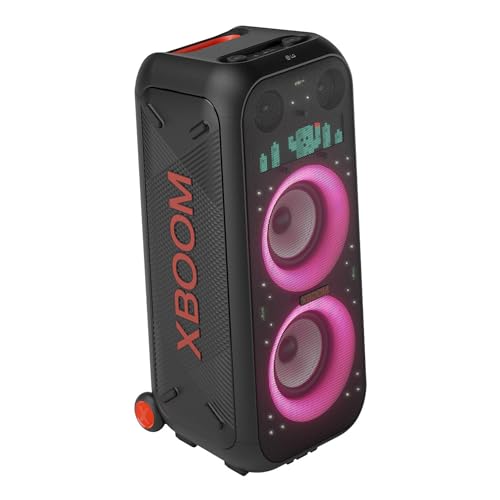
- LG XBOOM: l'XBOOM XL9T è indicato a 1000 W e combina un grande cabinet da festa con illuminazione, modalità party e abbinamento stereo. È pensato per eventi ad alta potenza più che per essere trasportato discretamente da una stanza all'altra.
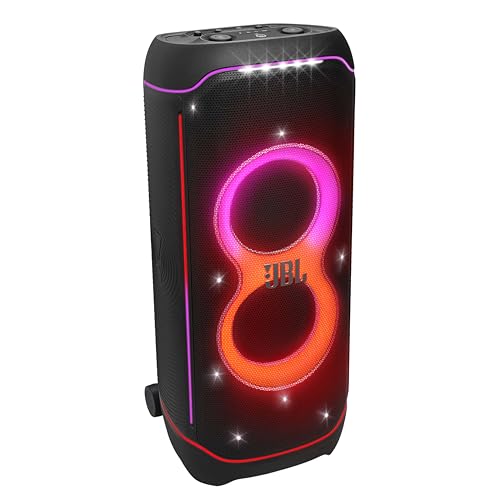
- JBL PartyBox: PartyBox 1000 e PartyBox Ultimate sono indicati a circa 1100 W, con elevata pressione sonora, modalità party e funzioni stereo o di collegamento tra altoparlanti. Dimensioni e peso li rendono più adatti a eventi organizzati che a viaggi occasionali.
- Cabasse: Pearl è un altoparlante attivo di fascia alta da 1600 W, con design orientato alla casa e un potenziale di uscita molto elevato. È più un sistema premium da stanza che può essere riposizionato che un altoparlante a batteria per escursioni all'aperto.
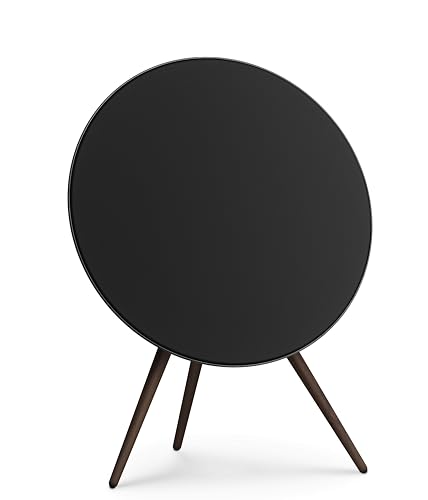
- Bang & Olufsen: Beosound A9 è un altoparlante domestico di fascia alta da 1500 W, con forma simile a un mobile e forte orientamento wireless. Il suo dato appartiene a un design più grande alimentato dalla rete e non va confrontato direttamente con un compatto altoparlante da festa a batteria.
Che cosa significa una potenza nominale di 1000 W su un altoparlante portatile?
Una potenza nominale di 1000 W su un altoparlante portatile descrive un dato di potenza elettrica dichiarato, ma da sola non indica quanto forte o pulito suonerà l'altoparlante. Il valore può essere la potenza di picco, un massimo a breve termine, il totale combinato di più amplificatori o un numero specifico del produttore invece dell'uscita RMS o continua.
Il significato pratico dipende dalla sensibilità dei driver, dal volume del cabinet, dall'alimentazione, dal comportamento del limitatore e dalla frequenza riprodotta. Un cabinet grande può trasformare molta potenza in bassi forti e margine, mentre un design più piccolo può usare il numero soprattutto come titolo di marketing. Controlla se il dato vale per un canale, una coppia stereo o l'intero sistema.
Per chi acquista, il livello di pressione sonora, la distorsione, il funzionamento a batteria o a rete e la distanza d'ascolto prevista sono più utili della sola etichetta da 1000 W. Un altoparlante da 1000–1100 W può essere ideale per una festa, ma un modello ben progettato con potenza nominale inferiore può suonare più equilibrato in soggiorno ed essere molto più facile da trasportare.
Le potenze nominali di 1000 W sono confrontabili tra marche di altoparlanti portatili?
No, le potenze nominali di 1000 W non sono confrontabili in modo affidabile tra marche di altoparlanti portatili. Un produttore può indicare la potenza di picco dell'intero sistema, un altro l'RMS di un solo canale e un terzo sommare diversi canali dell'amplificatore in condizioni di test ideali. Senza lo standard di misurazione, lo stesso numero può rappresentare un'uscita continua molto diversa.
Confronta invece le prove a supporto: potenza continua o RMS, livello di pressione sonora in dB SPL, gamma di frequenze, distorsione, comportamento del limitatore, dimensioni del cabinet e funzionamento a rete. Anche peso e dati della batteria rivelano se il prodotto è un vero altoparlante da festa portatile o un grande sistema domestico semplicemente spostabile.
Se due modelli usano ancora metodi di valutazione diversi, ascoltali alla distanza e al volume previsti oppure affidati a misurazioni indipendenti. Un'etichetta da 1000 W è utile per trovare una classe di prodotti ad alta potenza, ma non dovrebbe decidere tra marche senza questi controlli aggiuntivi.
Quanto costano gli altoparlanti portatili da 1000 W?
Gli altoparlanti portatili potenti da 1000 W costano generalmente circa 1,000–4,000 €, mentre i sistemi domestici premium possono superare questo intervallo. I grandi altoparlanti da festa intorno a 1,000–1,300 € danno di solito priorità a potenza elevata, illuminazione e funzioni per eventi; i sistemi premium da 1,500–2,500 € possono aggiungere una costruzione del cabinet più solida, maggiore pressione sonora, controllo wireless migliore o un design domestico più raffinato.
Nella fascia alta, il costo extra spesso compra materiali, bassi capaci di riempire la stanza, flessibilità d'installazione o un prodotto domestico prestigioso, non un semplice aumento del volume. Prevedi anche trasporto, alimentazione di rete, coperture protettive e un secondo altoparlante se la copertura stereo è importante; un modello da 1000 W raramente è un acquisto impulsivo economico.
Che cosa controllare prima di acquistare un altoparlante portatile da 1000 W?
Prima di acquistare un altoparlante portatile da 1000 W, controlla i seguenti fattori:
- Definizione della potenza: conferma se 1000 W sono RMS, continui, di picco o la somma degli amplificatori e verifica se coprono un canale o l'intero sistema. Scarta i confronti che nascondono la modalità di misurazione.
- Pressione sonora e distorsione: preferisci un valore dB SPL misurato indipendentemente e controlla distorsione o comportamento del limitatore al volume necessario. Circa 100–115 dB SPL sono già estremamente forti, quindi più potenza serve solo quando la stanza o l'evento la richiedono davvero.
- Fonte di alimentazione e autonomia: molti sistemi di classe 1000 W richiedono la rete o offrono un'autonomia molto più breve ad alto volume. Verifica connettore, lunghezza del cavo, comportamento in ricarica, possibilità di batteria sostituibile e se l'altoparlante può funzionare durante la ricarica.
- Dimensioni e trasporto: aspettati un cabinet grande, spesso di 18–40 kg nei design da festa o domestici. Ruote, maniglie, punti di sollevamento e una base stabile determinano se l'altoparlante è davvero spostabile; controlla porte, scale e spazio nel veicolo prima dell'acquisto.
- Ingressi e controllo wireless: Bluetooth, AUX, ingressi microfono, collegamento party, abbinamento stereo ed EQ nell'app servono a scopi diversi. Conferma i connettori esatti per microfono o strumenti e se l'abbinamento wireless funziona mentre l'altoparlante è collegato alla rete.
- Protezione e posizionamento: un grado IP, comandi sigillati e una griglia aiutano negli eventi all'aperto, ma non rendono un pesante altoparlante da rete adatto a pioggia o spiaggia. Lascia ventilazione intorno al cabinet, tienilo lontano dalle pareti quando le porte dei bassi richiedono spazio e segui i limiti di posizionamento del produttore.