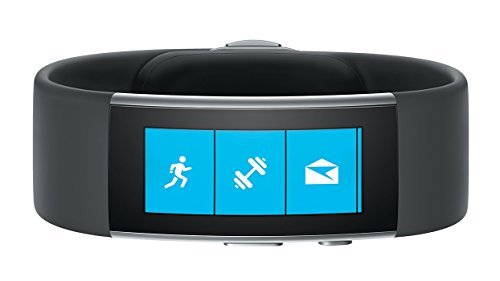
Microsoft Band 2015 recensione. Confronta 171 specifiche tecniche e recensioni degli utenti per vedere come si posiziona tra fitness tracker e se vale la pena acquistarlo.
Punteggio totale
Che cos'è: Una valutazione complessiva della qualità del fitness tracker, basata su analisi tecniche e recensioni degli utenti.
Quando è importante: Quando avete bisogno di un riferimento rapido per individuare i migliori fitness tracker sul mercato.
Componenti del punteggio:
80.0%
Punteggio tecnico
20.0%
Punteggio degli utenti
Punteggio tecnico
Che cos'è: Una valutazione delle prestazioni tecniche del fitness tracker, che copre otto aree chiave: monitoraggio della salute, funzioni sportive, connettività, display, batteria, funzioni smart, design e supporto dell'app.
Quando è importante: Quando volete confrontare i fitness tracker in base alle prestazioni tecniche e alle funzioni disponibili.
Componenti del punteggio:
20.0%
Sport e navigazione
20.0%
Batteria
18.0%
Salute
18.0%
Display
8.0%
Funzioni smart
8.0%
App e benessere
4.0%
Connettività
4.0%
Design e resistenza
Punteggio degli utenti
Che cos'è: Una valutazione che combina le recensioni degli utenti e il numero totale di recensioni ricevute dal fitness tracker.
Quando è importante: Quando volete sapere come si comporta un fitness tracker nell'uso quotidiano e quanto rimane affidabile nel tempo secondo il feedback degli utenti.
Componenti del punteggio:
70.0%
Recensioni degli utenti
30.0%
Popolarità
Componenti del punteggio:
28.0%
Classificazione ATM
24.0%
Modalita nuoto in acque libere
18.0%
Profondità di impermeabilità
15.0%
GPS
15.0%
Durata della batteria
Componenti del punteggio:
30.0%
Durata della batteria
25.0%
Peso
20.0%
Classificazione ATM
15.0%
Dimensioni dello schermo
10.0%
Prezzo
Disponibile: classifica tra i prodotti attualmente disponibili (incluse altre versioni di questo prodotto).
Tutti: classifica tra tutti i prodotti nel database.
#11 in Fitness tracker più precisi
#66 in Migliori fitness tracker
Che cos'è: Una valutazione delle prestazioni tecniche del fitness tracker, che copre otto aree chiave: monitoraggio della salute, funzioni sportive, connettività, display, batteria, funzioni smart, design e supporto dell'app.
Quando è importante: Quando volete confrontare i fitness tracker in base alle prestazioni tecniche e alle funzioni disponibili.
Componenti del punteggio:
20.0%
Sport e navigazione
20.0%
Batteria
18.0%
Salute
18.0%
Display
8.0%
Funzioni smart
8.0%
App e benessere
4.0%
Connettività
4.0%
Design e resistenza
Che cos'è: Una valutazione che combina le recensioni degli utenti e il numero totale di recensioni ricevute dal fitness tracker.
Quando è importante: Quando volete sapere come si comporta un fitness tracker nell'uso quotidiano e quanto rimane affidabile nel tempo secondo il feedback degli utenti.
Componenti del punteggio:
70.0%
Recensioni degli utenti
30.0%
Popolarità
Che cos'è: Un indicatore che combina la valutazione complessiva del fitness tracker con il suo costo.
Quando è importante: Quando cercate un fitness tracker con un buon equilibrio tra qualità e prezzo.
Componenti del punteggio:
60.0%
Punteggio totale
40.0%
Prezzo
Importanza: ALTA
Importanza: MEDIA
Importanza: BASSA
Importanza: BASSA
Importanza: MEDIA
Importanza: BASSA
Importanza: BASSA
Importanza: BASSA
Importanza: BASSA
Importanza: BASSA
Importanza: BASSA
Importanza: BASSA
Importanza: BASSA
Importanza: BASSA
Importanza: BASSA
Importanza: ALTA
Importanza: BASSA
Importanza: BASSA
Importanza: BASSA
Importanza: BASSA
Importanza: BASSA
Importanza: BASSA
Importanza: BASSA
Importanza: BASSA
Importanza: BASSA
Importanza: BASSA
Importanza: BASSA
Importanza: BASSA
Importanza: BASSA
Importanza: BASSA
Importanza: BASSA
Importanza: BASSA
Importanza: BASSA
Importanza: MEDIA
Importanza: MEDIA
Importanza: ALTA
Importanza: MEDIA
Importanza: BASSA
Importanza: BASSA
Importanza: BASSA
Importanza: BASSA
Importanza: BASSA
Importanza: BASSA
Importanza: BASSA
Importanza: BASSA
Importanza: BASSA
Importanza: BASSA
Importanza: BASSA
Importanza: BASSA
Importanza: BASSA
Importanza: BASSA
Importanza: BASSA
Importanza: BASSA
Importanza: BASSA
Importanza: BASSA
Importanza: BASSA
Importanza: BASSA
Importanza: BASSA
Importanza: BASSA
Importanza: BASSA
Importanza: BASSA
Importanza: MEDIA
Importanza: BASSA
Importanza: BASSA
Importanza: BASSA
Importanza: BASSA
Importanza: BASSA
Importanza: BASSA
Importanza: BASSA
Importanza: BASSA
Importanza: BASSA
Importanza: BASSA
Importanza: BASSA
Importanza: BASSA
Importanza: BASSA
Importanza: BASSA
Importanza: BASSA
Importanza: BASSA
Importanza: BASSA
Importanza: BASSA
Importanza: BASSA
Importanza: BASSA
Importanza: BASSA
Importanza: BASSA
Importanza: BASSA
Importanza: BASSA
Importanza: BASSA
Importanza: BASSA
Importanza: BASSA
Importanza: BASSA
Importanza: BASSA
Importanza: BASSA
Importanza: BASSA
Importanza: BASSA
Importanza: BASSA
Importanza: BASSA
Importanza: BASSA
Importanza: BASSA
Importanza: BASSA
Importanza: BASSA
Importanza: BASSA
Importanza: BASSA
Importanza: BASSA
Importanza: BASSA
Importanza: BASSA
Importanza: BASSA
Importanza: BASSA
Importanza: BASSA
Importanza: BASSA
Importanza: BASSA
Importanza: BASSA
Importanza: BASSA
Buon valore: >=5.0
Importanza: BASSA
Buon valore: >=10 m
Importanza: BASSA
Importanza: BASSA
Importanza: BASSA
Importanza: BASSA
Importanza: BASSA
Importanza: BASSA
Importanza: BASSA
Importanza: BASSA
Importanza: ALTA
Buon valore: >5 giorni
Importanza: BASSA
Buon valore: >=8 ore
Importanza: BASSA
Importanza: BASSA
Importanza: MEDIA
Buon valore: >=100 mAh
Importanza: BASSA
Importanza: BASSA
Importanza: BASSA
Importanza: MEDIA
Importanza: BASSA
Importanza: BASSA
Importanza: BASSA
Importanza: BASSA
Importanza: BASSA
Importanza: MEDIA
Importanza: MEDIA
Importanza: MEDIA
Importanza: BASSA
Buon valore: >=280 ppi
Importanza: BASSA
Importanza: BASSA
Importanza: BASSA
Importanza: ALTA
Buon valore: >=450 nit
Importanza: BASSA
Importanza: BASSA
Importanza: BASSA
Importanza: BASSA
Importanza: BASSA
Importanza: BASSA
Importanza: BASSA
Importanza: BASSA
Importanza: BASSA
Importanza: BASSA
Importanza: BASSA
Importanza: BASSA
Importanza: BASSA
Importanza: BASSA
Importanza: BASSA
Buon valore: <10 mm
Importanza: BASSA
Importanza: BASSA
Buon valore: <25 g
Importanza: BASSA
Importanza: BASSA
Importanza: BASSA
Buon valore: >=5 ATM
Importanza: BASSA
Buon valore: >=50 m
Importanza: BASSA
Importanza: BASSA
Importanza: BASSA
Importanza: BASSA
Importanza: BASSA
Importanza: BASSA
Importanza: BASSA
Importanza: BASSA
Importanza: BASSA
Importanza: BASSA
Importanza: MEDIA
Importanza: BASSA
Importanza: BASSA
Importanza: BASSA
Importanza: MEDIA
Buon valore: >=100 mAh
Importanza: ALTA
Buon valore: >5 giorni
Importanza: MEDIA
Importanza: BASSA
Buon valore: >=50 m
Importanza: BASSA
Buon valore: <25 g
Importanza: BASSA
Buon valore: >=5 ATM
Importanza: BASSA
Buon valore: >=8 ore
Importanza: BASSA
(Recensioni aggiornate: giugno 2026)
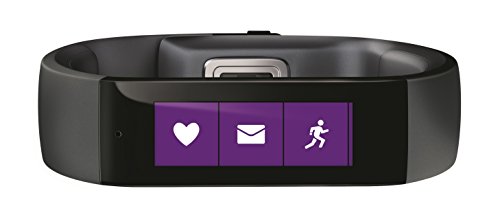
The Microsoft Band is a cross-platform fitness tracker and smartwatch hybrid designed to be worn innovatively with its flat, 320 x 106 resolution colour display facing on the inside of the wrist. Priced at £170 in the UK, its primary strength lies in its extensive array of nine built-in sensors—including an optical heart rate sensor, GPS, UV sensor, and galvanic skin response—which map out highly detailed health metrics such as sleep cycles, steps, and guided gym workouts. It integrates seamlessly with Windows Phone devices, featuring a side-swipeable interface with up to 13 customisable tiles for notifications and a microphone that allows users to trigger Cortana voice commands directly from their wrist. Despite its high-tech capabilities, the reviewer heavily critiques the device as a "version 1" prototype due to notable hardware and software flaws. On the downside, the screen is made of plain glass rather than Gorilla Glass, leading to visible scratches within just 72 hours of regular wear. Additionally, it lacks full waterproofing, carrying only an IPX7 water-resistant rating that forces users to remove it for showers. The accompanying Microsoft...
Conversely, the physical design is a major drawback, described as a stiff, unyielding, and highly unattractive "handcuff" that is uncomfortable to wear, especially while sleeping. Performance-wise, the tracker is weighed down by less-than-stellar heart rate accuracy that fails to satisfy elite athletes, slow GPS satellite lock-on times, and an excess of pointless hardware like dormant skin temperature and galvanic response sensors. Additionally, its extensive feature set limits the battery life to just two days, though this can be stretched to three or four days if you charge it daily during short morning routines and skip the uncomfortable sleep-tracking functionality altogether.
The Microsoft Band is described as a highly capable, feature-packed wearable with robust sensors—including accurate GPS and heart rate monitoring—alongside a stable cross-platform software ecosystem that supports Windows, iOS, and Android. Despite its $199 price point providing good value, the device suffers from a bulky, rigid design that fails to contour to the wrist, causing significant ergonomic issues during daily use.
The Trusted Reviews analysis of the Microsoft Band highlights a feature-rich, cross-platform health tracker boasting a sharp touchscreen, integrated GPS, and excellent value for fitness tracking, despite an underwhelming design. However, the device is criticized for being uncomfortable to wear due to its bulky, stiff, and flat construction that fails to conform to the wrist. While the sensor array and software offer high functionality, the poor physical wearability prevents it from being a top-tier product.
The Microsoft Band is a fitness-oriented wearable that doubles as a basic smartwatch, acting as a hardware showcase for Microsoft’s health platform. It stands out for its high density of body sensors, including an optical heart rate sensor, GPS, a UV radiation sensor, and a galvanic skin response sensor. Key pros highlighted in the review include its platform-agnostic syncing capabilities across Windows Phone, Android, iOS, Mac, and PC, alongside its capability for constant heart rate monitoring and guided workouts. The built-in GPS allows users to track runs without carrying a phone, and it successfully syncs data with third-party applications like MyFitnessPal and Runkeeper. However, the device suffers from several notable design and software drawbacks. On the hardware side, cons include a stiff, clunky rubber band that prevents the skin from breathing, a highly scratchable screen, and a proprietary magnetic charging port that traps dirt against the skin. The two-day battery life drains even faster when using GPS, and users run the risk of losing unsynced data if the battery dies completely. Additionally, the review heavily criticises the software for its...
The Microsoft Band is a highly customizable, data-dense wearable that serves as an activity tracker, smartwatch, GPS sports watch, and heart rate monitor all in one. It stands out as the only wearable capable of working across Windows Phone, iOS, and Android platforms. Its responsive touch display, accurate heart rate tracking, and specialized coached bodyweight workouts make it an excellent personal fitness companion, especially for frequent travelers. Users can heavily customize their experience by activating only the tiles they care about, such as fitness or social media notifications, and it even supports mobile payments at Starbucks directly from the wrist. However, the hardware sacrifices certain specialized capabilities to achieve this all-in-one functionality. While it boasts an exhaustive sensor suite and multi-platform support, its battery life drains rapidly when using GPS, depleting by nearly 50% during an eight-mile run, making it unsuitable for marathoners. Additional drawbacks include a proprietary charging cable, a plastic exterior prone to scratching without a screen protector, and limited dust and splash resistance. On the software side, it lacks desktop or browser access to sync full raw...
The Telegraph review describes the original Microsoft Band as a surprisingly good, comfortable hybrid device with excellent cross-platform compatibility and robust, detailed fitness tracking via integrated GPS and heart rate monitoring. Despite its utilitarian, less-than-appealing aesthetic, the device excels as a capable, reasonably priced alternative to dedicated running watches. However, the review highlights significant drawbacks, including a somewhat immature Microsoft Health app that struggles to present data effectively. Additionally, the device suffers from an awkward, unattractive design, with a horizontal screen orientation that makes reading data difficult while running.
Microsoft Band Review Summary The Microsoft Band is a highly capable but visually unappealing fitness tracker and notification system that struggles to balance advanced utility with everyday wearability. On the positive side, the device boasts an impressive array of 10 sensors—including built-in GPS, a heart-rate monitor, a skin temperature sensor, and a galvanic skin response sensor—which provide comprehensive health data across various activities like running and cycling. It is cross-platform compatible via the Microsoft Health app, offers simple physical control buttons, and features a bright color touchscreen that remains readable in most lighting conditions. Additionally, it provides a rugged, splash-proof build and a relatively low price point compared to contemporary smartwatches like the Apple Watch. However, the device is severely hindered by its "aggressively ugly" and rigid design, which sits awkwardly on the wrist like a manacle and makes it uncomfortable for daily wear outside of the gym. Its software and feature performance also present notable flaws; the notification system is obtuse and frustratingly fiddly to navigate on busy days. Furthermore, during heavy testing such as a marathon, the battery...
In a Wall Street Journal review, Joanna Stern outlines significant ergonomic and durability flaws in the first-generation Microsoft Band, describing its wide, flat design as awkward and highlighting that the bezel is highly susceptible to scratching. While the device includes a clever sliding metal clasp for a better fit, the hardware’s overall uncomfortable, rigid build is listed as a major drawback. Conversely, the device's software is a standout feature, with the Microsoft Health app praised for its intuitive, dynamic interface and superior data visualization compared to competitors. However, Stern concludes that these strengths are undermined by the hardware's poor design and questions regarding the reliability of its sensor data. WSJ
The Microsoft Band is reviewed by Samuel Gibbs as a highly accurate, sensor-packed fitness tracker that successfully undercuts major competitors like the Fitbit Surge in price, retailing at £170. It is heavily praised for its cross-platform compatibility with Android and iOS devices, alongside a robust and intuitive Microsoft Health app that provides highly detailed charts and overlays for effortless data tracking. The device features a strong list of pros, including a reliable three-day battery life (with continuous heart rate monitoring active), built-in GPS that eliminates the need to run with a smartphone, an excellent guided workout tile with rep-counting abilities, and a unique, easily adjustable sliding clasp mechanism. However, the tracker suffers from glaring hardware and software limitations that prevent it from being a perfect wearable. The cons highlighted in the review focus on its bulky, polarizing "industrial" design, which many users may find resembles a house-arrest ankle bracelet rather than a stylish accessory. Additionally, the hardware is only splash-resistant—meaning showering, swimming, or getting it thoroughly wet is unsafe—and sleep tracking requires a tedious manual activation rather than being automated....
The Microsoft Band represents an ambitious but flawed attempt to merge a comprehensive fitness tracker with a feature-rich smartwatch. On the positive side, it stands out for its extensive cross-platform compatibility, functioning smoothly across Android, iOS, and Windows Phone devices. It provides a highly robust notification system that successfully channels calls, texts, emails, and social media updates directly to your wrist. From a health standpoint, it delivers top-tier accuracy for walking and running metrics, thanks to a fast, reliable built-in GPS that tracks routes precisely. It also supports downloadable, guided workout routines from prominent fitness partners to assist users during gym sessions. However, the wearable's extensive feature list is heavily weighed down by hardware and design limitations. The band is described as thick, rigid, and physically uncomfortable—feeling more like a "fitness shackle" than a sleek accessory. It is notably not waterproof, forcing users to take it off for swimming or showering, and its plastic display is highly susceptible to scuffs and scratches. Performance issues further detract from the experience: the optical heart-rate sensor frequently spikes or becomes inconsistent during intense...
The Microsoft Band is an ambitious but flawed hybrid fitness tracker and smartwatch that packs an impressive array of features into its design, though it ultimately falls short in everyday wearability. It stands out for its built-in GPS functionality, allowing users to accurately track running routes, distances, and split times without needing a smartphone. Additionally, it provides on-device workout coaching with guided instructions and vibrations, integrated through partners like Gold's Gym. The device tracks steps, workouts, sleep, and calories burned while displaying customizable screen tiles and push notifications for text messages and calendar reminders across iOS, Android, and Windows Phone. It also provides a respectable four days of battery life when the GPS is not actively running. Despite these positive features, the reviewer heavily criticized the band for being wildly uncomfortable and poorly constructed for long-term wear, noting that its rigid, dual-flat-surface design makes it ill-suited for petite wrists. The optical heart rate monitor, curiously placed on the inside of the wrist clasp, proved to be highly inaccurate during testing by drastically under-reporting or over-reporting active heart rates. Furthermore, the...
The Verge's review of the 2014 Microsoft Band praises the device for its extensive data tracking capabilities, featuring robust GPS, heart-rate monitoring, and broad cross-platform compatibility. However, the wearable is heavily criticized for its uncomfortable, rigid design, awkward screen orientation, and a cluttered user interface that makes daily navigation difficult.
In this hands-on first impressions review from GeekWire, journalist Todd Bishop evaluates the initial setup, design, and capabilities of the original Microsoft Band wearable. Retailing for $199, the device is positioned as a cross-platform companion featuring 10 sensors and basic messaging capabilities linked to the Microsoft Health platform. Bishop praises the device's comprehensive feature set, including specialized tracking for nightly sleep cycles, calorie burn metrics (differentiating between fats and carbs), built-in GPS for precise stride tracking, and a unique UV sensor to prevent sunburn. He highlights its multi-platform compatibility as a major benefit, noting how smoothly the band integrates via Bluetooth with iOS notifications on his iPhone 5S, alongside its broader compatibility with Android, Windows Phone, and existing third-party applications like MyFitnessPal and RunKeeper. However, the hardware's unpolished physical design introduces several critical limitations. Bishop points out that the screen's rigid horizontal orientation makes wearing the band face-up highly awkward, forcing users to wear it under the wrist instead. This design alternative causes the screen's outer bezel to easily scratch against hard surfaces while typing at a desk. Additionally, the...
The Fortune review characterizes the Microsoft Band as a highly capable, data-rich fitness tracker that falters as a functional smartwatch, offering robust health-monitoring metrics and detailed daily activity tracking. Key positives include its comprehensive suite of sensors, such as heart rate, GPS, and UV monitoring, that provide significant, actionable health data. However, the device is criticized for its awkward, horizontal display orientation which makes reading notifications uncomfortable, along with frequently unreliable Bluetooth synchronization with iPhones. These hardware and software flaws hinder its effectiveness as a daily productivity tool, restricting its utility mostly to a specialized fitness tool.
The Microsoft Band is a solid activity tracker with helpful smartwatch features that works seamlessly across Windows, iOS, and Android platforms. On the positive side, it features an accurate GPS for tracking runs or bike rides, a continuous heart-rate monitor for precise calorie calculations, and a snappy, highly responsive colour touchscreen. Its smartwatch notifications—such as text, email, and calendar previews accompanied by haptic vibration alerts—provide a highly useful way to filter incoming messages without constantly pulling out a smartphone. Additionally, the band is built with robust, water-resistant thermal plastic elastomer, ensuring it can easily withstand multiple intense workouts. However, the device is severely held back by its rigid, bulky design and poor comfort. The 9mm-thick straight-edged body weighs 60g and awkwardly rubs against the wrist bone, while the landscape-oriented screen forces users to bend their necks and arms just to read it. Battery life is another major drawback, consistently failing to reach Microsoft's claimed 48-hour life and making it difficult to utilize the sleep tracking functionality. Finally, the tracker struggles with accuracy in specific scenarios, failing to count steps entirely...
The Microsoft Band provides a comprehensive suite of hardware features and precise data logging, making it a viable entry-level alternative to dedicated running watches. Its main advantages lie in its massive array of integrated sensors, featuring a highly accurate optical heart rate monitor and a standalone GPS module that matched a dedicated TomTom sports watch down to the metre. Additionally, runners benefit from a bright, customisable display that remains highly legible in direct sunlight, all backed by the intuitive, user-friendly Microsoft Health application. The companion platform functions excellently on both mobile and desktop setups, offering a robust layout for deep statistics, activity heatmaps, and seamless multi-platform cross-compatibility. However, the wearable is severely held back by critical design flaws, onboard software instability, and ergonomic discomfort. The primary drawback is its rigid, bulky build; the raised heart rate sensor digs into the skin, and the stiff edges prevent it from easily fitting under a standard shirt cuff. Furthermore, its screen is oriented sideways relative to the wrist, forcing runners into an awkward and dangerous arm-twisting contortion just to read metrics at racing...
Conversely, the review identifies significant drawbacks (cons) related to its physical build and platform limitations. The most severe design issue is the rigid, unyielding form factor; the device feels excessively tight during weightlifting, yet loosening it stops the heart rate sensor from recording correctly. Furthermore, the sensor unit covers physically pulled out arm hair, causing a bald patch after just a few days. The reviewer also strongly criticizes the flat display, stating it was "positively criminal" that Microsoft omitted a curved screen. Finally, non-Windows users suffer diminished functionality, as the lack of Cortana integration on Android and iOS strips away the ability to voice-control music, set voice reminders, or have text messages read aloud.
The Microsoft Band is evaluated as a powerful, indestructible, and highly capable fitness tracker rather than a stylish smartwatch. The Huffington Post UK review highlights several major performance advantages, particularly for fitness enthusiasts looking to train without a smartphone. A standout feature is the built-in GPS tracking and continuous heart-rate monitoring, which delivers highly accurate metrics and deep analytical data regarding calorie burn rates without heavily draining the battery. Furthermore, it features a highly practical "guided workouts" setting with instant instructional access, multi-platform compatibility across iOS, Android, and Windows Phone, and a built-in Starbucks card app for mobile payments. Windows Phone users receive added utility through Cortana integration, which acts as a voice-controlled personal assistant to schedule appointments and reply to messages. Despite its inner strength, the device severely falters in aesthetics, comfort, and interactive design. The physical design is heavily criticized for being too boring, blocky, and chunky to wear as an everyday timepiece, especially since it is packed with a cumbersome number of internal sensors. The display is notably tiny and pixelated, making it feel outdated by current...
The Microsoft Band is a multi-platform fitness tracker compatible with Windows Phone, iOS, and Android that functions more like a dedicated training aid than a basic step counter. On the positive side, it stands out for its extensive array of on-board sensors, including a heart-rate monitor, skin temperature tracking, UV light exposure measurements, and built-in GPS that allows phone-free activity tracking. Users can access excellent virtual personal training features through the Microsoft Health app, which pushes detailed, digestible data on workouts and sleep patterns directly to the device. However, the hardware suffers from major design flaws that impact its overall usability. The band features a chunky, unattractive, and rigid rubber aesthetic that feels awkward and genuinely painful to wear during initial use. Additionally, its short battery life lasts only two days at best, requiring daily charging if features like the display and smartphone syncing are heavily utilized. This limited battery capacity, paired with an unreliable smartphone pairing process and a high £170 price tag, prevents it from operating as a true 24/7 fitness wearable.
Ewan Spence's Forbes review describes the Microsoft Band as a feature-rich, sensor-packed wearable that excels in health tracking—featuring continuous heart rate, GPS, and cross-platform compatibility—but suffers from a rigid, "brutal" design. While offering extensive data, the device is criticized for being uncomfortable to wear for long periods, having mediocre battery life, and requiring a proprietary charger.
The PCMag review characterizes the original Microsoft Band as a feature-rich, ambitious, yet physically flawed activity tracker and smartwatch hybrid. Key strengths include built-in GPS for phone-free tracking, on-wrist workout coaching, actionable mobile notifications, and a customizable color touchscreen. However, significant drawbacks include a rigid, uncomfortable design that is particularly ill-suited for smaller wrists. Furthermore, the device suffers from inaccurate heart rate monitoring, lack of cycling tracking, and limited data visualization in the companion app.
However, the reviewer highlights significant drawbacks, focusing heavily on its cumbersome physical design and software limitations. The band is thick (7mm), heavy, made of inflexible rubber, and highly uncomfortable, making it an awkward spectacle on the wrist. Despite having built-in GPS, it fails to be a true standalone device because it lacks the ability to upload a music playlist, forcing runners to still carry a smartphone. Additionally, it lacks integration with popular third-party apps like Nike+ Running, lacks a smart alarm to wake users during light sleep cycles, and leaves the reviewer feeling that the wearable is too unwieldy for everyday use.
La recensione di FOCUS online valuta il Microsoft Band di prima generazione come un modello di fascia media per il mercato dei wearable, proposto al prezzo di 199 dollari. Dal punto di vista strutturale, presenta una cassa in plastica con dimensioni molto compatte di 19 x 8,7 mm e un profilo straordinariamente sottile di appena 7,9 mm. Il dispositivo è equipaggiato con un processore ARM Cortex M4 MCU, 64 MB di memoria interna e uno schermo allungato da 1,4 pollici con una risoluzione di 320 x 106 pixel (densità di 240 ppi). L'alimentazione è affidata a una doppia batteria da 100 mAh, progettata per garantire due giorni di utilizzo tipico, mentre il suo ecosistema software punta fortemente su un servizio cloud integrato. La recensione evidenzia diversi pro e contro relativi al design dell'hardware e alle specifiche tecniche del dispositivo. Tra i punti di forza, lo spessore ultrasottile di 7,9 mm e il peso piuma di 60 grammi lo rendono eccezionalmente comodo da indossare tutti i giorni. Inoltre, il prezzo di 199 dollari lo posiziona come un'alternativa competitiva rispetto agli altri...
Il Microsoft Band viene valutato come un compagno per la salute altamente funzionale e ricco di sensori, in grado di colmare il divario tra un classico activity tracker e uno smartwatch. Un elemento di spicco è la sua compatibilità multi-piattaforma, che garantisce prestazioni eccezionali non solo con Windows Phone, ma anche su dispositivi iOS e Android tramite l'app complementare. Il dispositivo è dotato di un display da 1,4 pollici (310 x 102 pixel) vibrante e ad alta risoluzione, che offre una visualizzazione chiara dei testi, una navigazione fluida dell'interfaccia utente e funzionalità di base da smartwatch, come il controllo delle e-mail, la visualizzazione degli appuntamenti in calendario e l'interazione con Cortana. Per gli appassionati di fitness, si rivela un potente strumento autonomo: grazie ai suoi 10 sensori integrati — tra cui un modulo GPS integrato, un cardiofrequenzimetro, un giroscopio e un accelerometro — è in grado di tracciare percorsi, analizzare con precisione le fasi del sonno e calcolare le calorie bruciate senza la necessità di avere uno smartphone nelle vicinanze. Tuttavia, la recensione evidenzia notevoli limitazioni strutturali e funzionali. La...
Il Microsoft Band si distingue come un dispositivo indossabile pionieristico e indipendente dalla piattaforma, capace di colmare il divario tra fitness tracker e smartwatch e di funzionare perfettamente con Windows Phone, Android e iOS. Il recensore ne loda il sistema di notifiche altamente affidabile, che raggruppa avvisi come email, SMS e aggiornamenti social, oltre a un'esclusiva funzione codice a barre per pagare da Starbucks direttamente dal polso. Sul fronte del benessere, il vantaggio principale è il GPS integrato, che permette di allenarsi all'aperto senza portare con sé lo smartphone, supportato dal sincronismo automatico dei dati verso servizi terzi come RunKeeper e da un'analisi dettagliata dei cicli del sonno notturno. Tuttavia, l'hardware presenta ampi margini di miglioramento: il design è stato fortemente criticato da altri per l'aspetto ingombrante e sgraziato, sebbene il recensore ne apprezzi personalmente l'estetica futuristica. Tra i principali svantaggi hardware figurano la risoluzione dello schermo sotto la media, materiali che non trasmettono una sensazione premium e un'autonomia della batteria che non supera i due giorni. Inoltre, l'ecosistema software risente della mancanza di uno store di applicazioni dedicato. Per...
Il Microsoft Band è un fitness tracker ricco di sensori dotato di GPS e cardiofrequenzimetro integrati, il che lo rende una buona opzione per correre senza smartphone. Il dispositivo si sincronizza perfettamente con l'applicazione complementare Microsoft Health, che fornisce agli utenti metriche fondamentali come i riepiloghi delle sessioni, le mappe dei percorsi e i tempi parziali abbinati ai dati sulla frequenza cardiaca. Tra i principali vantaggi evidenziati nella recensione figurano la funzionalità GPS autonoma, che elimina la necessità di portare con sé il telefono, e lo schermo a colori ad alto contrasto bianco su nero, che offre un'eccellente visibilità durante gli allenamenti all'aperto. Tuttavia, il recensore sottolinea diversi svantaggi notevoli che compromettono l'esperienza complessiva, assegnando al prodotto una valutazione finale di 2,5 stelle su 5. Sebbene Microsoft vanti la compatibilità con app di terze parti come Runkeeper, Strava e MapMyFitness, l'integrazione dei dati presenta dei difetti, in particolare la mancata sincronizzazione delle mappe dei percorsi con gli account Runkeeper. Inoltre, il GPS integrato può essere frustrantemente lento, richiedendo diversi minuti per agganciare il segnale. Il touchscreen perde reattività quando entra...
Il Microsoft Band è uno smartband altamente versatile e ricco di sensori che funge efficacemente sia da fitness tracker sia da smartwatch. Venduto negli Stati Uniti al dettaglio a 199 dollari, offre un eccellente rapporto qualità-prezzo includendo funzionalità non comuni come il GPS integrato, sensori di esposizione ai raggi UV e il monitoraggio della temperatura cutanea. Un grande punto di forza del dispositivo è la sua compatibilità cross-platform, che garantisce prestazioni affidabili su iOS, Android e Windows Phone, offrendo inoltre agli utenti Windows il vantaggio esclusivo dell'integrazione con l'assistente vocale Cortana. L'interfaccia presenta un layout a riquadri intuitivo e personalizzabile che consente agli utenti di leggere testi di notifica estesi di messaggi ed e-mail direttamente sul nitido display da 1,4 pollici, senza dover tirare fuori lo smartphone. Tuttavia, il dispositivo è limitato da evidenti difetti di design, batteria e software. Esteticamente, il tracker presenta un design in silicone rigido e ingombrante che manca di eleganza e non riesce a distinguersi rispetto ai concorrenti. La copertura piatta in plastica del display è incredibilmente fragile e incline ai graffi, costringendo gli utenti...
La recensione della Microsoft Band pubblicata da Frandroid descrive il dispositivo come un primo tentativo molto ambizioso nel mercato dei fitness tracker multipiattaforma, assegnandogli un voto finale di 7 su 10. Uno dei principali punti di forza del dispositivo è la sua compatibilità cross-platform, che garantisce un'integrazione fluida con Android, iOS e Windows Phone, oltre alla capacità di ricevere tutte le notifiche dello smartphone da app di terze parti come WhatsApp e Facebook Messenger. Inoltre, la recensione elogia l'incredibile densità dei suoi dieci sensori, che includono un cardiofrequenzimetro continuo, un GPS integrato all'altezza degli orologi sportivi dedicati e metriche rare come il sensore di esposizione ai raggi UV e la risposta galvanica della pelle (GSR). Anche l'app complementare Microsoft Health viene lodata per la sua completezza, grazie a librerie di allenamenti guidati e sincronizzati integrate per supportare diversi livelli di forma fisica. Tuttavia, la recensione evidenzia diversi svantaggi significativi legati a una scarsa ergonomia e a bug software di gioventù. La struttura spessa e rigida del braccialetto lo rende molto scomodo da indossare, e l'allineamento del testo solo in orizzontale...
La recensione di Gizmodo en Español evidenzia il Microsoft Band come un tracker per il fitness ambizioso e altamente performante. Con un prezzo di 199 dollari, stabilisce un nuovo standard trasformando i dati biologici grezzi in consigli utili e pratici per la salute. Un grande punto di forza sottolineato dal recensore sono le funzionalità di tracciamento avanzate del dispositivo, alimentate da 10 sensori distinti, tra cui un cardiofrequenzimetro ottico e un GPS integrato che si attiva in modo intelligente solo quando necessario per risparmiare batteria.
La recensione della community di Tweakers scritta dall'utente makooy descrive in dettaglio il Microsoft Band (2014) Large Zwart, assegnandogli un punteggio complessivo di 4 stelle su 5.", "Il recensore nota che, sebbene il braccialetto richieda un po' di abitudine per chi non ha mai indossato un orologio, si distingue come un'opzione eccellente e ricca di sensori per gli appassionati di tecnologia.", "Acquistato tramite Marktplaats per evitare l'importazione diretta dagli Stati Uniti, il recensore sottolinea che il suo prezzo di vendita di 199 dollari (circa 165 euro) offre un valore equo, soprattutto perché include una pellicola protettiva per lo schermo rigenerante di alta qualità.", "Nell'uso quotidiano, il dispositivo presenta un display vivido e altamente leggibile, un accoppiamento iniziale rapido e un monitoraggio sportivo estremamente efficace che traccia accuratamente le funzioni vitali e i tempi di recupero.", "Tuttavia, la recensione evidenzia diversi svantaggi specifici legati alle prestazioni e alla disponibilità.", "Il recensore utilizza l'indossabile insieme a un iPhone e segnala che l'ottimizzazione cross-platform è fortemente limitata, notando che le opzioni avanzate — come l'impostazione di foto di sfondo o l'accesso ad app...
Il Microsoft Band funge da versatile ibrido multipiattaforma che colma il divario tra fitness tracker e smartwatch, offrendo un'ampia compatibilità con Android, iOS e Windows Phone tramite Bluetooth.", "Presenta un'impressionante gamma di sensori, tra cui un GPS integrato per tracciare le corse senza telefono, e fornisce notifiche nitide ad alta densità di dati.", "Tuttavia, il dispositivo è notevolmente ingombrante e rigido, il che causa fastidio durante l'uso prolungato, in particolare mentre si dorme o sotto i vestiti stretti.", "Inoltre, la batteria dura in genere meno di 48 ore, con un consumo significativamente più rapido quando si usa il GPS, e l'unità manca di impermeabilità per il tracciamento del nuoto.
Confronto