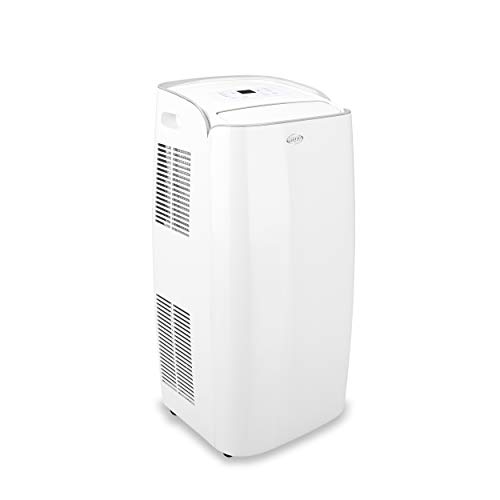
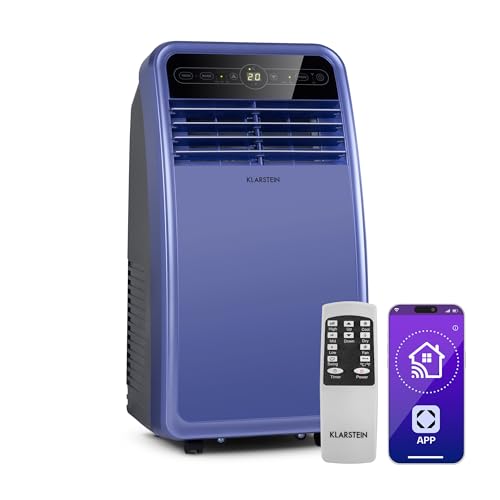
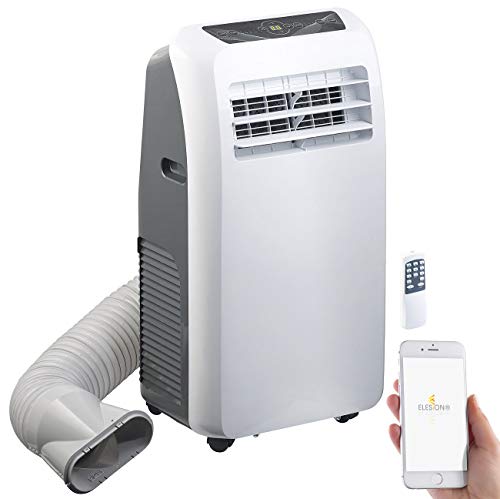
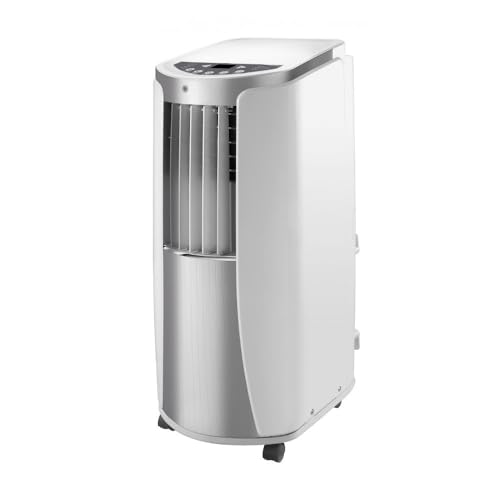
Which brands make the best portable air conditioners for a 40 m² room?
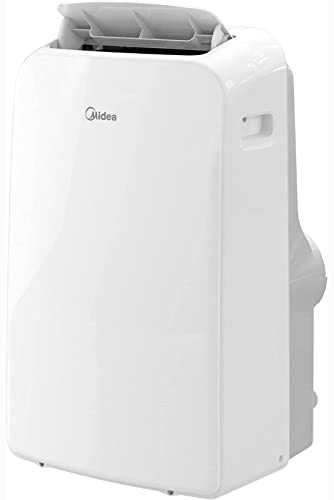
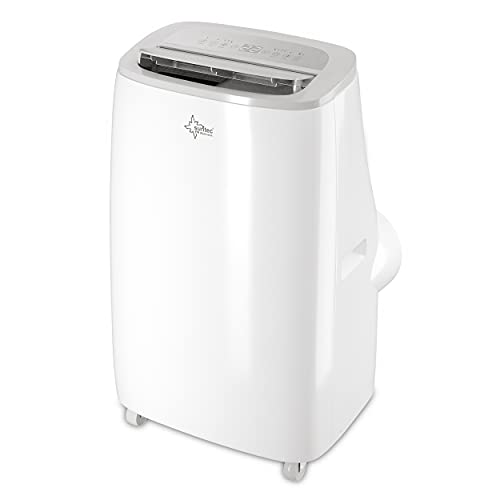
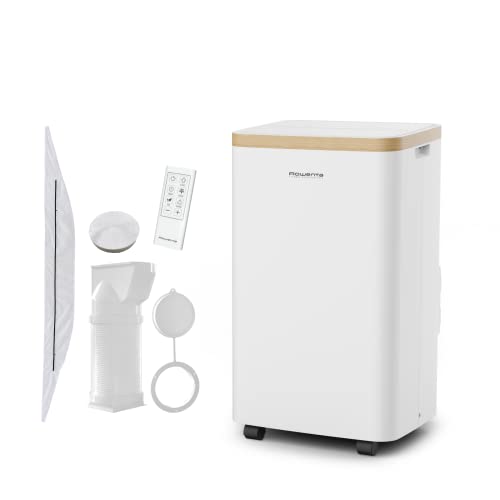
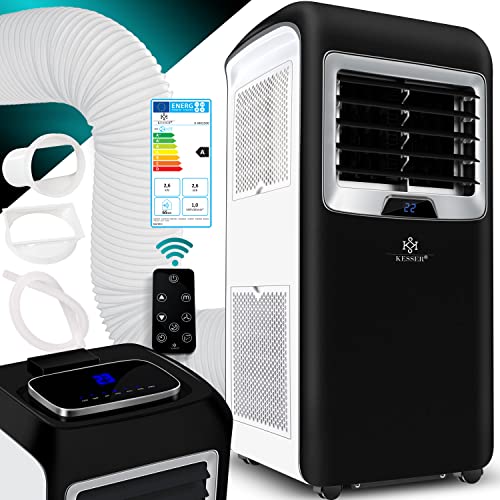
The best portable air conditioner brands for a 40 m² room are ranked below:
- [shortcode-12445915106869623371132479177297779543881777060248] (Average overall score: [shortcode-01134340001876902015087440761406686657651742964488])
- [shortcode-12352943787640211782152944159587295398563645158761] (Average overall score: [shortcode-01314462536067765301127347552829236145923089002841])
- [shortcode-15320887027740999943173264335882226295940956471312] (Average overall score: [shortcode-06706988805807574794122566513419883778522019836018])
The chart below ranks portable air conditioner brands for a 40 m² room by average overall score.
[horizontal-chart-12934172813065781040128959195814078211132121491974]
How many BTU does a portable air conditioner need for 40 m²?
A 40 m² room usually needs about 10,000–14,000 BTU/h of nominal portable-air-conditioner capacity, with the lower end suited to a shaded, well-insulated room and the upper end safer for strong sun or higher heat loads. DOE/SACC capacity is the better comparison because it reflects delivered cooling after portable-unit losses.
For a closed room with average insulation, start around 12,000 BTU/h and move toward 14,000 BTU/h when the ceiling is high, windows are large, or appliances add heat. Do not size from floor area alone: an open doorway, adjoining kitchen, or afternoon sun can make a nominal 12,000 BTU unit feel undersized.
A model claiming 40–60 m² may still struggle if its hose is long, the window adapter leaks, or the compressor cycles inefficiently. Match the rating, installation, and room heat load together.
How do ASHRAE and DOE/SACC ratings change sizing for 40 m²?
ASHRAE BTU/h is a nominal laboratory capacity, while DOE/SACC is a seasonal rating intended to reflect heat entering through the exhaust hose and other portable-unit losses. A model advertised as 12,000 or 14,000 BTU under ASHRAE can therefore deliver less room cooling than the headline suggests.
For a 40 m² room, use DOE/SACC when comparing candidates and check whether the manufacturer quotes a single-hose or dual-hose setup. A higher ASHRAE number does not automatically beat a better-sealed model with stronger delivered capacity, and different test methods can make labels look closer than the real-world result.
How do insulation, sunlight, and ceiling height change the BTU needed for 40 m²?
Insulation, sunlight, and ceiling height can shift the right capacity for 40 m² by several thousand BTU/h. A shaded, insulated room with a normal ceiling can often work near 10,000–12,000 BTU/h, while large south-facing windows, a poorly insulated shell, or a ceiling above about 2.7 m favors the 13,000–14,000 BTU class.
Open doors and adjacent kitchens add more heat than the floor area implies, and a portable unit cannot cool an unsealed plan reliably. Close the room and shade the glass before upgrading capacity; those changes often improve comfort more than moving from one nominal BTU tier to the next.
Treat the room claim as a starting point, not a guarantee. A long hose, a leaking window panel, or strong afternoon sun can make a nominal 12,000 BTU machine behave like a smaller unit, while a well-sealed installation can make the same capacity feel more effective.
Can one portable air conditioner cool an open-plan 40 m² room?
One portable air conditioner can cool a closed 40 m² open-plan area only when the heat load is moderate and the airflow reaches the whole space. In a kitchen-living room or a layout with open doors, the unit must overcome heat from appliances and air moving into adjacent zones, so the far end may remain warm even when the thermostat is satisfied.
Place the cabinet where the cooled air can travel across the main occupied area, keep the hose short, and use a fan to mix air between zones. If the plan stays open or receives strong sun, a higher delivered-capacity model or two smaller units may be more effective than one nominally larger machine.

Is a dual-hose model better for cooling a 40 m² room?
A dual-hose portable air conditioner is usually better for a difficult 40 m² room because it brings condenser air from outside instead of pulling replacement air through cracks. That can preserve cooling in a sunny or leaky space, especially when the unit runs for long periods.

The second hose adds bulk, cost, and a larger window seal, so it is not automatically worthwhile in a shaded, closed room. Check the DOE/SACC rating, hose length, window adapter, noise, and weight before choosing it.
A well-installed single-hose model can be more practical when installation is temporary or the room has a low heat load. For fixed summer installation in a difficult room, keep both dual hoses short and sealed so the airflow advantage is not lost to bends or leaks.
How much electricity does cooling a 40 m² room use?
A portable air conditioner for 40 m² commonly draws about 0.9–1.6 kW while its compressor is running, depending on capacity and model. At a 30 pence per kWh tariff, a 1.2 kW unit costs about 36 pence per full-load hour; cycling reduces the average when the room reaches the set temperature.
Poor insulation, open doors, direct sun, and a leaking window kit keep the compressor on longer, so installation can matter as much as the label. Compare input power with DOE/SACC output and use a timer rather than cooling an empty room.
Inverter control can reduce cycling peaks when the unit runs for many hours, but it does not erase the cost of a poorly sized or badly sealed system. Watch actual run time and room temperature rather than estimating from the wattage label alone.
How much does a portable air conditioner for 40 m² cost?
Portable air conditioners marketed for a 40 m² room usually cost about £240-£600, with practical mid-range choices around £340-£470. Entry models near £240-£340 can cover a closed room but often use fixed-speed compressors and publish higher noise; they make sense for occasional cooling when the window seal is simple.
Around £390-£520, expect stronger 12,000–14,000 BTU-class output, better controls, heating or inverter options on selected models, and more robust hose kits. Premium models above £560 should earn the difference through quieter operation, efficiency, service, or a genuinely better airflow design rather than a generous room-size claim alone.
The chart below shows the price distribution of portable air conditioners for rooms around 40 m².
[vertical-chart-02390827917781071612022281627982842508102417986407]