
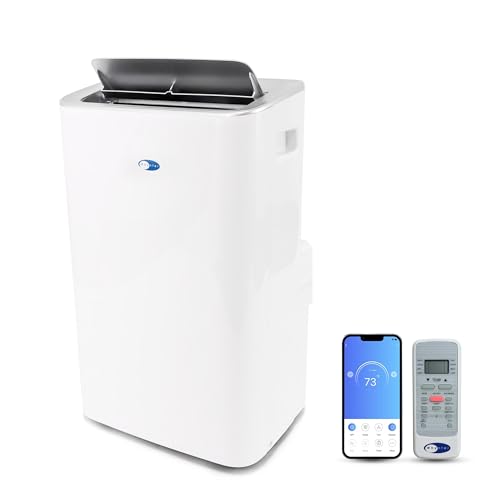
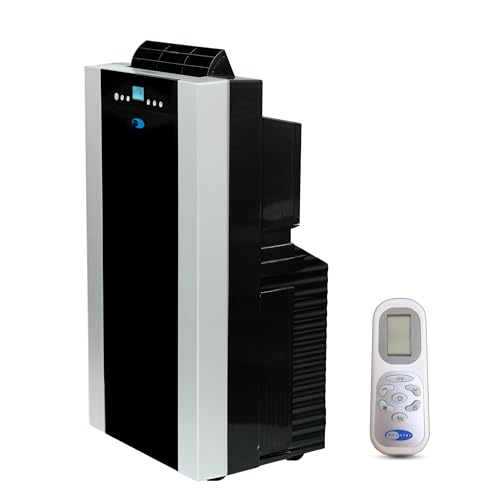
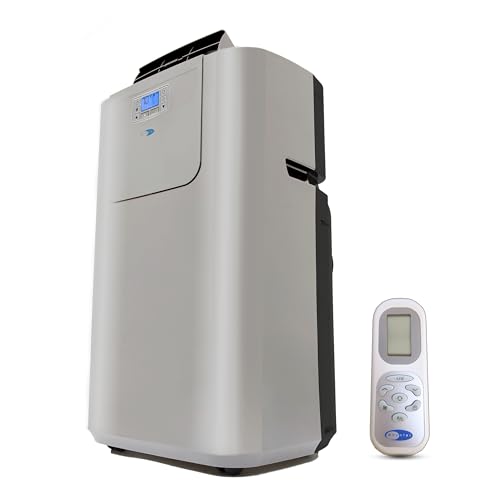
Are Whynter portable air conditioners good?
Whynter portable air conditioners have an average overall score of [shortcode-03234415281178090821026490859887079287143503938728], ranking #[shortcode-04256157247063165145139885125189160834893278995556] among comparable portable air conditioner brands.
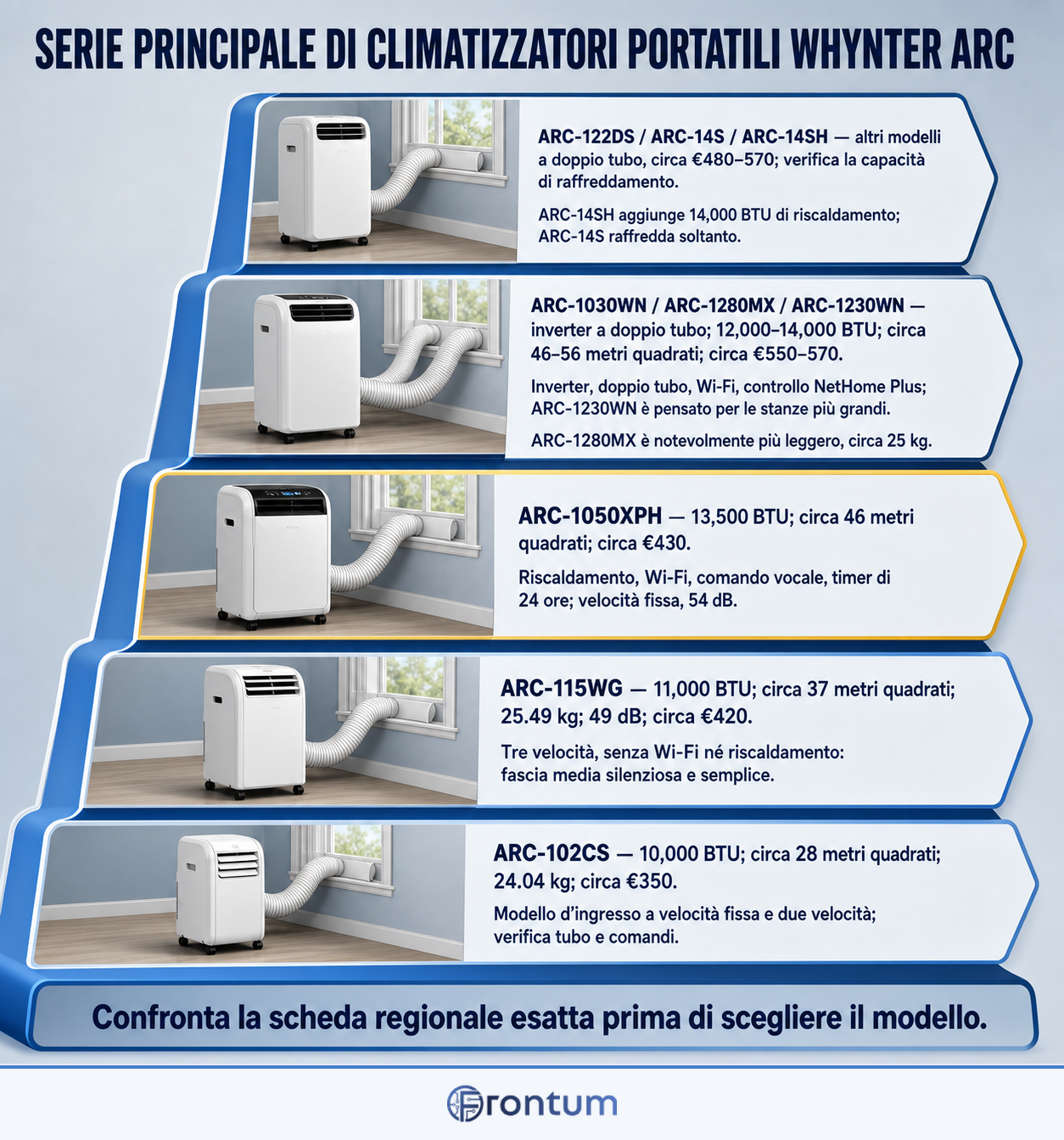
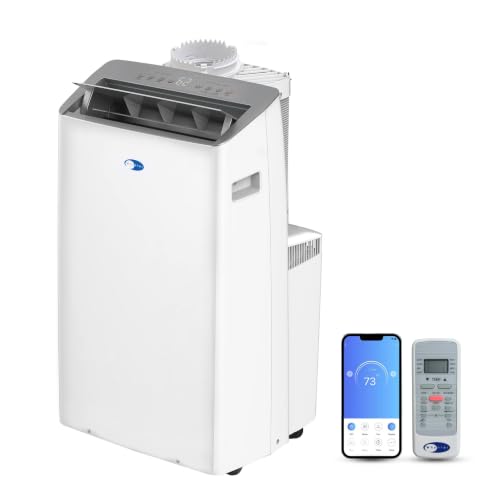
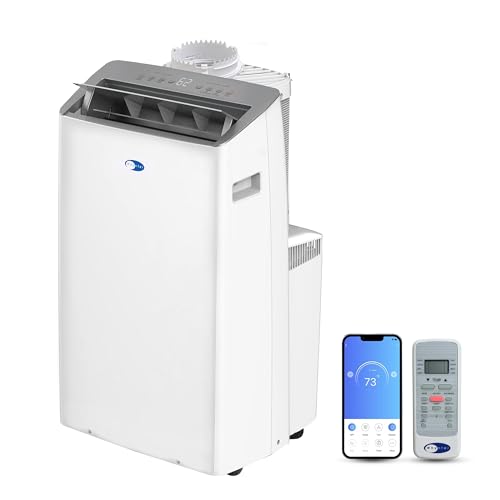
Whynter portable air conditioners suit buyers who want dual-hose airflow, with inverter and app-connected options such as the ARC-1030WN, ARC-1230WN, and ARC-1280MX. The range also includes heating models and smaller fixed-speed cabinets, so buyers can match room size and control needs rather than buying one standard design.
Whynter portable air conditioners are less suitable when you need one consistent feature set across every model: Wi-Fi, inverter compressors, heating, and even published cooling capacity vary by ARC suffix. The units cost roughly £300-£490 and several larger cabinets weigh more than 30 kg.
The chart below compares portable air conditioner brands by average overall score.
[horizontal-chart-02839060684686217927017168216412032633021333716521]
What are the main advantages of Whynter portable air conditioners?
The main advantages of Whynter portable air conditioners are as follows:
- Room-size breadth: Published room claims run from about 28 m² for the 10,000 BTU ARC-102CS to 56 m² for the 14,000 BTU ARC-1230WN. This gives buyers a compact starting point and larger-room options within the ARC family.
- Dual-hose choices: ARC-1030WN, ARC-122DS, ARC-1230WN, ARC-1280MX, ARC-14S, and ARC-14SH use dual-hose configurations. Separate intake and exhaust hoses can reduce the negative pressure that makes a single-hose room pull warm air through gaps.
- Inverter and smart options: ARC-1030WN, ARC-1230WN, and ARC-1280MX combine inverter compressors with Wi-Fi and NetHome Plus controls. They suit buyers who want steadier output and app or voice control, although the exact control implementation varies by model.
- Heating availability: ARC-1050XPH and ARC-14SH provide heating as well as cooling, extending their usefulness into shoulder seasons. ARC-1050XPH adds Wi-Fi and voice control, while ARC-14SH is a simpler physical-control design.
- Lower-noise candidates: ARC-115WG lists 49 dB maximum noise, and ARC-122DS lists a 47–52 dB range. Those models are useful starting points for bedrooms or workspaces, but installation, hose vibration, and mode affect the sound you hear.
What are the main disadvantages of Whynter portable air conditioners?
The main disadvantages of Whynter portable air conditioners are as follows:
- Heavy large-room cabinets: The ARC range runs from about 24 kg for the ARC-102CS to 37.65 kg for the ARC-14S, with the ARC-1230WN around 35 kg. Wheels help on level floors, but stairs, storage, and window positioning still require planning.
- Uneven feature coverage: Inverter compressors and Wi-Fi are limited to selected ARC-1030WN, ARC-1230WN, and ARC-1280MX models. ARC-102CS, ARC-115WG, ARC-14S, and ARC-14SH use simpler non-smart controls, so a Whynter badge does not guarantee app support.
- Incomplete comparable specifications: Cooling capacity is not dependably published for ARC-122DS and ARC-14S in current listings. Verify the regional listing, room claim, and test method before comparing either model with a BTU-labelled ARC unit.
- Heating is restricted: Only ARC-1050XPH and ARC-14SH list a heating function, and both use non-inverter compressors. Buyers wanting heat and variable-speed cooling should check another model family rather than assume every dual-hose ARC provides both.
- Noise depends on the model and mode: ARC-115WG lists 49 dB, while ARC-1050XPH, ARC-14S, and ARC-14SH list about 54–56 dB maximum. These figures are not a promise of silent bedroom operation once the compressor, fan, and window kit are running.
Who makes Whynter portable air conditioners?
Whynter portable air conditioners are sold by Whynter LLC, a California-based premium appliance company founded in 2006 and headquartered in Brea, California, U.S.A. The company presents its products as portable, efficient, and space-saving appliances for home and mobile use, with air treatment among its core categories.
Whynter develops and markets the ARC line under its own brand, while manufacturing arrangements can vary by model and region. That background explains the mix of compact fixed-speed units, dual-hose systems, inverter models, and heating variants in the range; check the local warranty, refrigerant, and service terms for the exact ARC model before purchase.

How much do Whynter portable air conditioners cost?
Whynter portable air conditioners generally cost about £300-£520, with compact and simpler models around £300-£390 and larger dual-hose or inverter models around £400-£500. The ARC-102CS and ARC-115WG sit near the entry and midrange end, while the ARC-1030WN, ARC-1280MX, ARC-1230WN, ARC-14S, and ARC-14SH occupy the higher tier.
Paying more usually buys a larger room claim, dual-hose airflow, inverter operation, app control, or heating rather than a uniform improvement in every specification. Compare the exact ARC suffix, noise rating, hose kit, weight, and local warranty because the ARC-1050XPH offers heating and smart control at about £370, while some £470-£490 models are cooling-only.
What should you consider while choosing the best Whynter portable air conditioner?
When choosing the best Whynter portable air conditioner, compare the following model-specific factors:
- Capacity and room size: Match the published room claim to the heat load, not just the BTU label. ARC-102CS is rated for about 28 m², ARC-115WG for 37 m², and the larger ARC-1230WN for 56 m²; ARC-122DS and ARC-14S need extra specification checking because cooling capacity is not dependably published.
- Hose configuration and compressor: Dual-hose ARC models can reduce the warm-air pull of a single-hose setup, while inverter compressors on ARC-1030WN, ARC-1230WN, and ARC-1280MX can modulate output. Confirm that the window kit fits and that the chosen model actually has both features.
- Noise and sleeping use: ARC-115WG lists 49 dB maximum, ARC-122DS 47–52 dB, and ARC-1050XPH, ARC-14S, and ARC-14SH about 54–56 dB. Treat these as model-level reference points; fan speed, compressor cycling, and hose vibration change the sound in the room.
- Controls and connectivity: ARC-1030WN, ARC-1050XPH, ARC-1230WN, and ARC-1280MX list Wi-Fi or voice/app control, whereas ARC-102CS, ARC-115WG, ARC-14S, and ARC-14SH use simpler controls. Check whether the local version supports NetHome Plus, remote control, and the automation you need.
- Heating and moisture handling: Only ARC-1050XPH and ARC-14SH list heating, and both use fixed-speed compressors. Most ARC models list self-evaporating, continuous-drain, or tank arrangements, so plan a permanent drain for very humid conditions instead of assuming the tank never needs attention.
- Weight and installation: Product weights run from about 24 kg for ARC-102CS to roughly 37–38 kg for ARC-14S and ARC-14SH. Measure the route, window height, hose clearance, and storage position before choosing a larger dual-hose cabinet; wheels help but do not solve stairs.
- Price and regional support: Compact models start around £300-£390, while inverter dual-hose models are typically around £470-£520 and the heating ARC-1050XPH is around £370. Confirm the exact model code, warranty, refrigerant, replacement hose availability, and service coverage for your country before paying for a feature set that may differ by region.