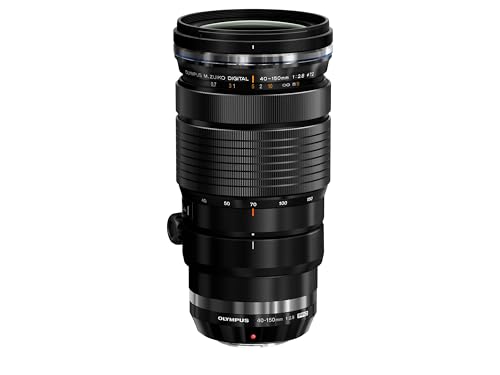
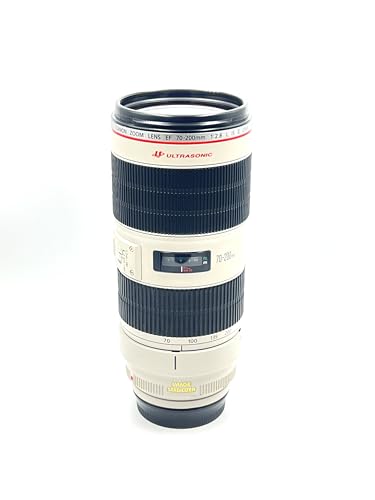
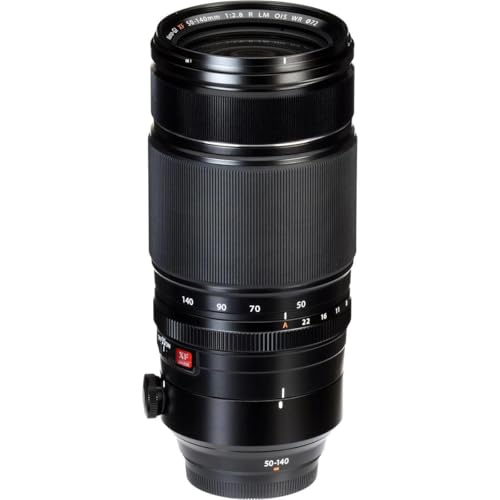
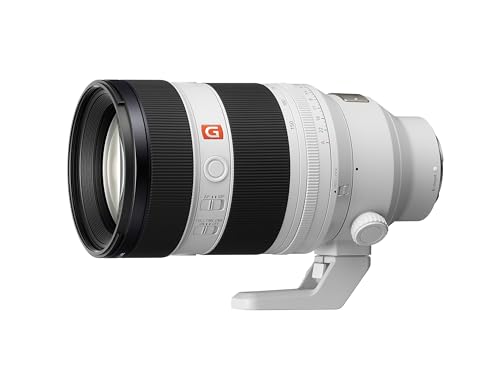
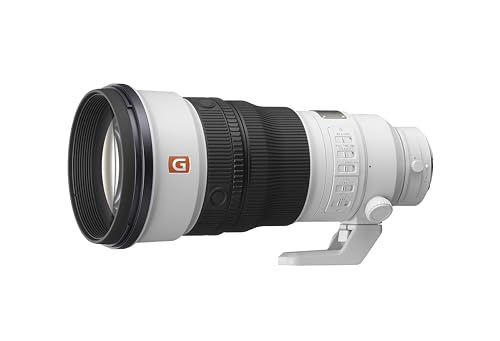
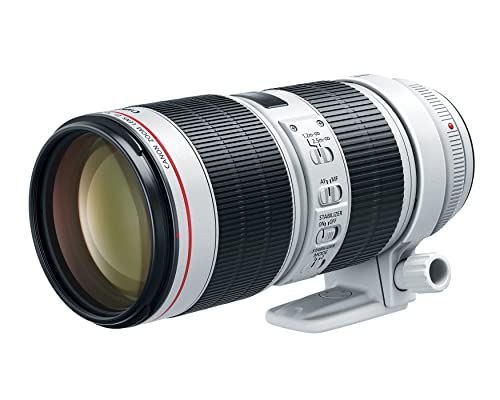
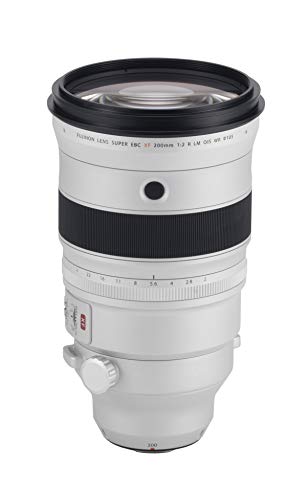
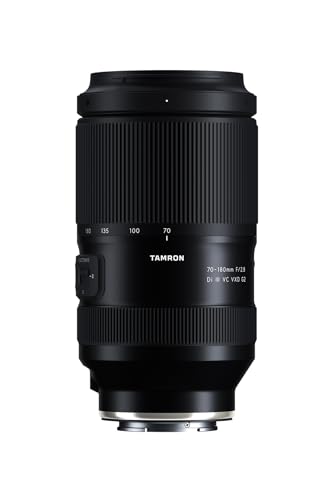
Which brands make the best telephoto lenses?
The telephoto lens brands with the highest average overall scores are as follows:
- [shortcode-10210464318867389671032618665388986749322381917408] (Average overall score: [shortcode-11765144756285900361087869939463620294980481403702])
- [shortcode-05555743568282019999166838932512802879862605101166] (Average overall score: [shortcode-06781749757288661586132141199761330376953732459791])
- [shortcode-03830591450023846280182187408604884782590888034447] (Average overall score: [shortcode-03318597580732084567102158815176180524960570951956])
- [shortcode-09491291075543733904166478773634698630691616718049] (Average overall score: [shortcode-05309399949718498935003587191623587420953355578068])
The chart below compares telephoto lens brands by average overall score.
[horizontal-chart-13144874434020540700174768299404509005092450957940]
What is a telephoto lens?
A telephoto lens uses a longer focal length to give distant subjects a larger presence in the frame and to produce a narrower angle of view. For this guide, telephoto lenses are models reaching at least 135 mm, a range that begins with short telephoto portrait and event lenses and extends to super-telephoto optics intended for wildlife, sport, and other distant subjects.
Focal length does not create physical magnification in isolation; sensor size, subject distance, and final cropping also affect how large the subject appears. A 200 mm lens on APS-C gives a tighter field of view than the same lens on full frame, while Micro Four Thirds narrows it further. That crop can be useful for reach, but it does not change the lens aperture or improve its ability to resolve fine detail.
How do telephoto lenses differ from standard lenses?
Telephoto lenses differ from standard lenses mainly through their narrower field of view, greater working distance, and stronger perspective compression. A standard lens shows a more natural amount of the scene, while a telephoto isolates a smaller area and makes background elements appear larger relative to the subject.
The longer focal length also amplifies visible camera shake and makes subject tracking more demanding. Telephoto photography therefore benefits more from fast autofocus, stabilization, high shutter speeds, monopods, or tripod collars than ordinary everyday photography.
Physical size and aperture become harder engineering problems as focal length increases. A 70–200 mm f/2.8 zoom is considerably larger than a standard kit zoom, and a fast 400 mm or 600 mm lens can require professional support and transport. Slower telephoto zooms reduce that burden but need more light and provide less background blur.
What are telephoto lenses best suited for?
Telephoto lenses are best suited to the following subjects and situations:
- Wildlife and birds: Long focal lengths let you fill the frame without approaching or disturbing the subject. Fast autofocus, stabilization, and manageable weight are often more useful than maximum reach alone.
- Field and indoor sports: Telephoto lenses isolate action from the sidelines and help follow subjects across a large venue. Indoor work favors brighter apertures, while outdoor sport can make good use of lighter variable-aperture zooms.
- Portraits and events: Short telephoto focal lengths provide flattering perspective, comfortable working distance, and strong background separation. A 70–200 mm zoom is especially versatile for ceremonies, performances, and candid portraits.
- Stage, aviation, and motorsport: Distance or restricted access makes longer lenses necessary. Reliable tracking, panning behavior, and support equipment matter because subjects move quickly and framing opportunities are brief.
- Compressed landscapes and details: Telephoto lenses can isolate mountain layers, architectural details, and patterns that disappear in a wide view. The narrow angle of view simplifies compositions and emphasizes apparent compression between distant elements.
How important are aperture and image stabilization when choosing a telephoto lens?
Aperture and stabilization are especially important on telephoto lenses because long focal lengths magnify both subject motion and camera shake. A brighter aperture supports faster shutter speeds and clearer autofocus in poor light, while stabilization helps the photographer hold a steady frame when the subject itself is not moving rapidly.
An f/2.8 telephoto zoom is valuable for indoor sport, events, and low-light wildlife, but it is heavier and more expensive than an f/4 or variable-aperture alternative. Long zooms that reach f/5.6 or f/6.3 can be practical outdoors, provided the camera can maintain the required shutter speed and autofocus performance.
Optical stabilization is most useful for static wildlife, panning, distant details, and handheld composition. It cannot freeze a running athlete or a bird in flight, so moving subjects still require a sufficiently fast shutter speed and often a higher ISO setting.
The best balance depends on the job: choose aperture for subject motion and background separation, stabilization for photographer movement, and support equipment when the lens becomes too heavy for consistent handheld use.
The chart below shows how optical image stabilization is distributed among telephoto lenses.
[pie-chart-12550283925183244781008688080039286860611323998521]
How much do telephoto lenses cost?
New telephoto lenses commonly cost about £220-£2,200, while professional fast primes and super-telephoto designs can rise above £8,600. Price increases quickly with focal length, maximum aperture, autofocus performance, stabilization, and efforts to reduce weight.
Entry-level telephoto zooms around £220-£600 are often designed for daylight sport, travel, and occasional wildlife. They usually use variable apertures and lighter construction, which makes them easier to carry but less capable in poor light. Enthusiast models around £600-£2,200 add better focusing, sealing, stabilization, optical correction, or a constant f/4 or f/2.8 aperture.
Premium lenses above that range target demanding professional work. Before paying for extreme reach or speed, compare the cost of the lens with the required tripod or monopod, teleconverter, protective filter, carrying system, and camera body capable of using its autofocus performance.
What should you check before buying a telephoto lens?
Consider the following factors before buying a telephoto lens:
- Mount and sensor coverage: Verify the exact lens mount and whether the image circle covers full frame, APS-C, Micro Four Thirds, or another format. Adapters can affect autofocus, stabilization, aperture control, and the effective balance of a large lens.
- Focal range: Choose reach based on subject distance and access. A 70–200 mm lens is versatile for events and nearby sport, 100–400 mm or 150–600 mm zooms suit outdoor wildlife, while fixed 300 mm, 400 mm, or longer primes target speed and maximum optical performance.
- Maximum aperture: Bright f/2.8 or f/4 designs support faster shutter speeds and cleaner autofocus in poor light, but they cost and weigh more. Variable-aperture zooms are easier to carry and can be excellent in daylight when f/5.6 or f/6.3 is sufficient.
- Autofocus performance: Look beyond the motor name and check acquisition speed, tracking consistency, focus breathing, noise, and compatibility with the camera autofocus system. Birds, field sport, and motorsport place much greater demands on focusing than static landscape details.
- Optical stabilization: Stabilization improves handheld framing and static-subject sharpness, especially above 200 mm. Confirm whether the lens offers panning modes and how it coordinates with in-body stabilization.
- Handling and support: Compare weight, balance, zoom action, tripod collar, weather sealing, filter size, and minimum focus distance. A lighter lens that can be carried and aimed quickly may produce more successful photographs than a faster lens that requires constant support.
- Teleconverters and total cost: Check whether 1.4× or 2× teleconverters are supported and how they change aperture, autofocus, and image quality. Include the cost of the hood, collar, support equipment, case, filters, and any adapter when comparing value.