
Are Nikon camera lenses good?
Nikon camera lenses have an average overall score of [shortcode-10605070606823648324024781762472860449540129238963], ranking #[shortcode-03827747819489699094135441455254523283754089298716] among comparable camera lens brands, and a user rating of [shortcode-12535714090072103264051373455437104831244183532027], placing them at #[shortcode-01846939513599125318105759972052159848382550626102] based on user reviews.
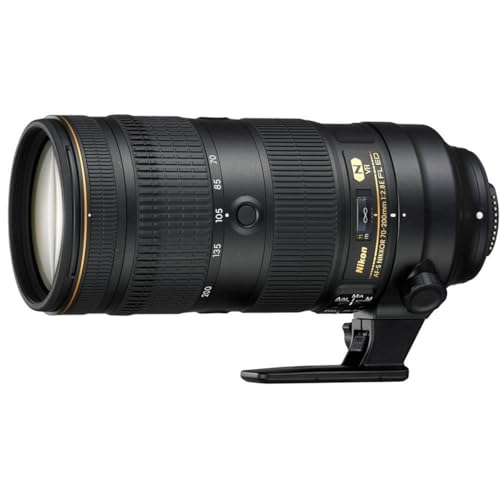
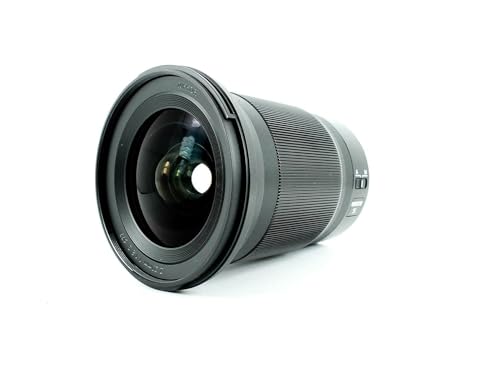
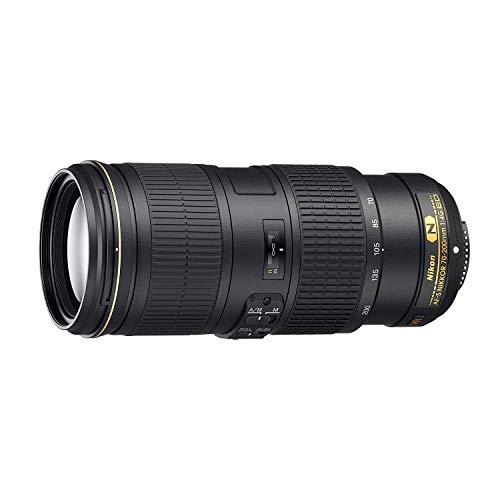
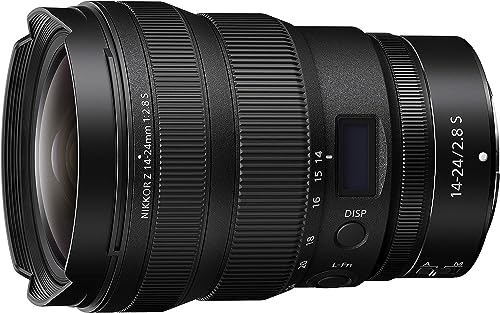
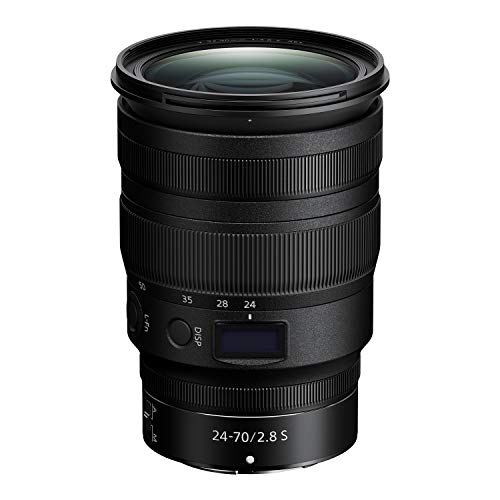
Nikon lenses are strongest as a complete Z-system proposition. The S-Line creates a clear premium tier through the 14–24 mm, 24–70 mm, and 70–200 mm f/2.8 zooms, fast 50 mm, 85 mm, and 135 mm primes, and professional telephotos, while less costly Z primes and travel zooms support lighter everyday kits. Nikon is particularly competitive for wildlife because the range extends from portable 400 mm f/4.5 and 600 mm f/6.3 lenses to professional models with built-in teleconverters.
The trade-offs are system-specific: premium lenses can be large and expensive, native Z DX choice is narrower than the FX range, and much of Nikon's historic variety remains in F mount. An FTZ adapter preserves autofocus with many AF-S and AF-P lenses, but screw-drive AF and AF-D models generally become manual-focus optics. Nikon is therefore an excellent fit for Z owners and F-system photographers planning a selective transition; buyers starting from zero should compare exact focal lengths, kit weight, and third-party availability across complete systems.
Who are Nikon camera lenses best for?
The following photographers should consider Nikon camera lenses:
- Nikon Z owners: Native NIKKOR Z lenses provide the cleanest autofocus, control, correction, and stabilization integration, with options from compact primes to professional super-telephotos.
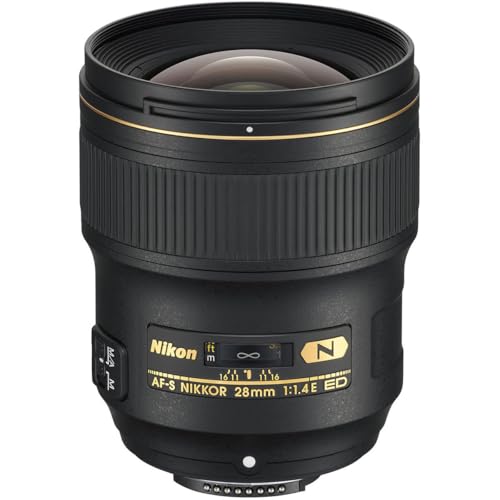
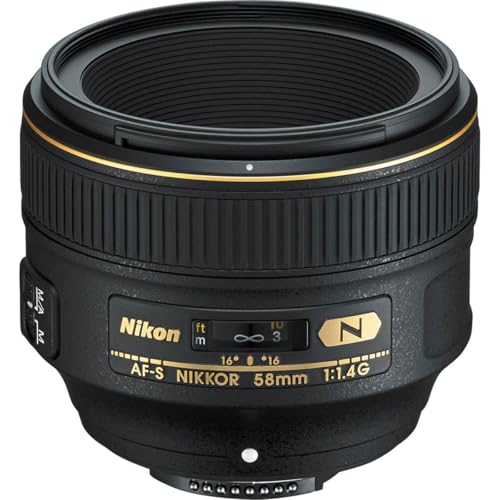
- Nikon DSLR owners: The F-mount catalogue remains valuable for users of compatible DX and FX bodies who want anything from an inexpensive prime to a specialist PC, Micro, or wildlife lens.
- Sports and wildlife photographers: Nikon offers fast 70–200 mm zooms, compact PF-style telephotos, long Z primes, and professional models with built-in teleconverters, although the fastest options carry a major size and price penalty.
- Landscape and travel photographers: Wide Z zooms, compact f/2 and f/2.8 primes, and flexible 24–120 mm or 24–200 mm lenses cover different balances of image quality and carrying weight.
- Portrait and event photographers: Nikon's 50 mm, 85 mm, and 105 mm primes plus its f/2.8 zooms support shallow depth of field and low-light work, with S-Line models aimed at demanding professional use.
- Owners of established F-mount collections moving to mirrorless: An FTZ adapter can preserve useful AF-S and AF-P lenses, making a gradual move to Z bodies more practical than replacing every lens at once.
How do Nikon camera lenses compare with lenses from other brands?
Nikon lenses differ most clearly through the combination of the modern Z mount, a deliberately tiered native range, and the deep F-mount system behind it. The Z mount's 55 mm throat and 16 mm flange distance give Nikon room to design fast primes and high-performance wide angles, while electronic communication supports in-camera corrections, configurable control rings, and close coordination with body autofocus and stabilization. Compared with Canon RF, Nikon offers an especially useful progression of relatively portable long primes such as the 400 mm f/4.5, 600 mm f/6.3, and 800 mm f/6.3; compared with Sony E, its native third-party history is shorter, but the S-Line gives buyers a consistently defined premium optical tier.
The practical distinction is compatibility, not a universal image-quality advantage. Native Z lenses give Z bodies the simplest operation, whereas many AF-S and AF-P F lenses remain useful through FTZ and older screw-drive AF or AF-D lenses generally lose autofocus. Existing Nikon owners can therefore move to mirrorless gradually and preserve selected specialist glass; buyers with no legacy equipment should compare the complete Canon RF, Nikon Z, and Sony E catalogues for the focal lengths, physical size, third-party choice, and price tiers they will actually use.
What are the main series of Nikon camera lenses?
The main Nikon lens series and families are as follows:
- NIKKOR Z S-Line: This is Nikon's premium mirrorless tier, including the 14–24 mm, 24–70 mm, and 70–200 mm f/2.8 zooms, fast 50 mm and 85 mm f/1.2 primes, the 135 mm f/1.8 Plena, and high-end super-telephotos. S-Line lenses prioritize resolution, aberration control, sealing, and refined controls, but they are usually the largest and most expensive native Z choices.
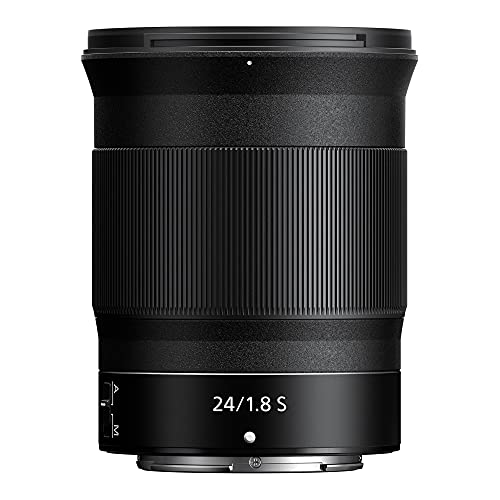
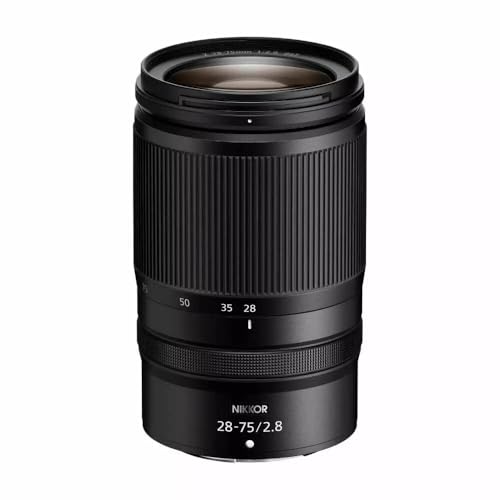
- Regular full-frame NIKKOR Z: Non-S full-frame lenses include compact primes such as the 26 mm f/2.8, 28 mm f/2.8, and 40 mm f/2, plus practical zooms such as the 24–50 mm, 24–200 mm, 28–400 mm, and 28–75 mm f/2.8. They trade some speed, construction, or edge-to-edge performance for lower weight and price, making them attractive for travel and general photography.
- NIKKOR Z DX: Nikon's APS-C mirrorless family includes compact kit and travel zooms such as the 16–50 mm, 18–140 mm, and 50–250 mm, alongside brighter small primes and newer specialist options. These lenses keep Z DX kits light and affordable, but they do not use the full image area of an FX body and the native DX range is less extensive than the full-frame Z catalogue.
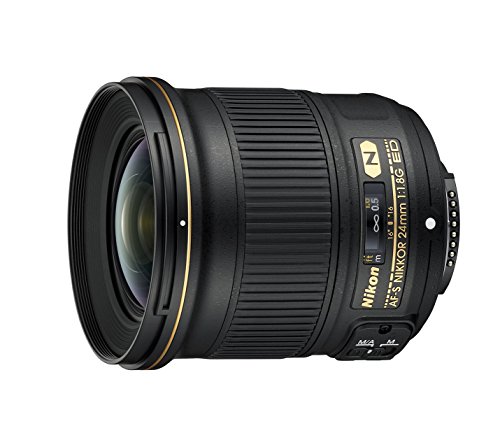
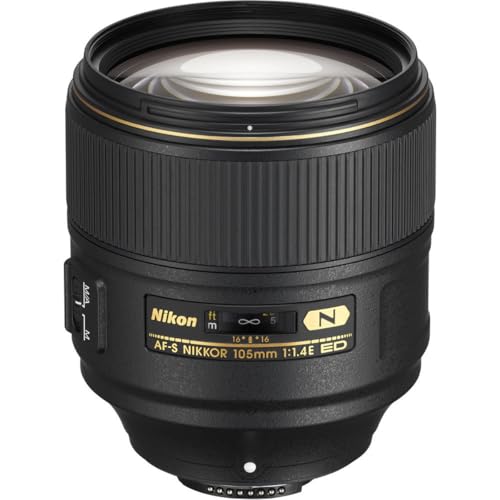
- AF-S and AF-P NIKKOR F: AF-S lenses use an in-lens Silent Wave Motor, while newer AF-P designs use a pulse motor; both groups include DX and FX zooms, primes, Micro lenses, and telephotos. They autofocus on compatible Nikon DSLRs and many retain autofocus through an FTZ adapter, although exact body support, firmware, aperture control, and VR behavior should be checked before purchase.
- Legacy AF, AF-D, AI, and AI-S NIKKOR F: These lines span screw-drive autofocus lenses and older manual-focus optics, including historically important 50 mm primes, Micro-NIKKOR models, fisheyes, and specialty lenses. Their main appeal is range and character, but autofocus and metering support varies sharply by camera; screw-drive AF and AF-D models generally do not autofocus through FTZ.
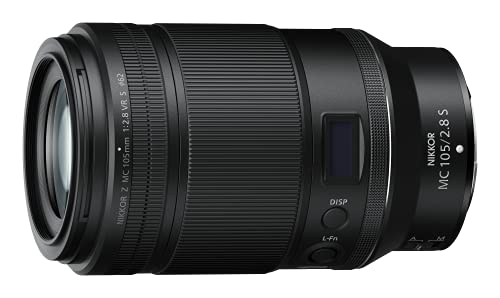
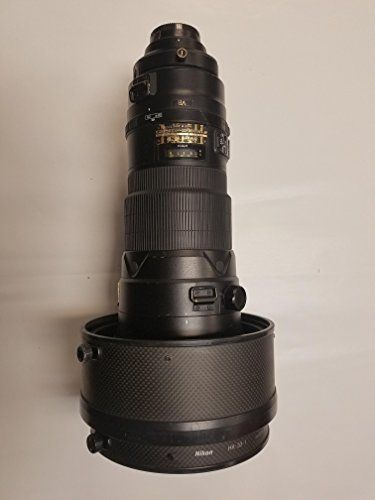
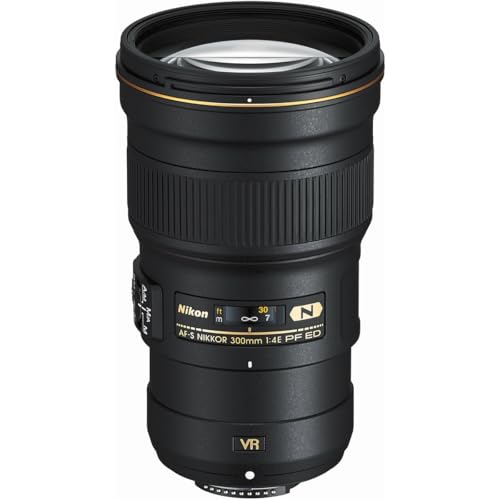
- PF, Micro, PC, and specialist telephoto families: Phase Fresnel designs such as the 300 mm f/4E PF reduce the size of long F-mount lenses, Micro-NIKKOR and Z MC models serve close-up work, and PC-E or PC lenses provide perspective control. Nikon's professional long lenses add features such as tripod collars, VR, fluorite or low-dispersion elements, drop-in filters, and on selected Z models built-in teleconverters, so these are purpose-built tools rather than general walk-around choices.
The chart below shows how Nikon lenses are distributed across the company's principal lens mounts.
[pie-chart-12235175143926345477071783930349632766014049021259]
How much do Nikon camera lenses cost?
New Nikon lenses generally cost about £200-£12,900, although most everyday Z choices sit well below the specialist super-telephoto ceiling. Compact full-frame Z primes such as the 28 mm f/2.8 and 40 mm f/2 are commonly around £200-£300, while small DX lenses and kit zooms are often roughly £240-£650 when sold separately.
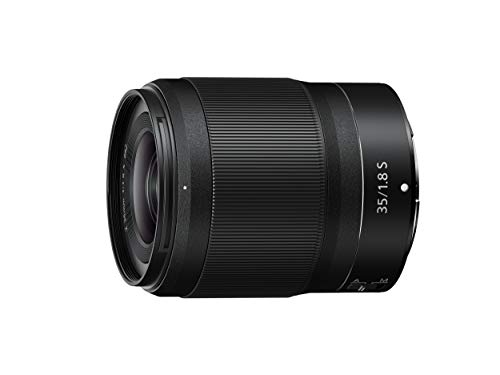
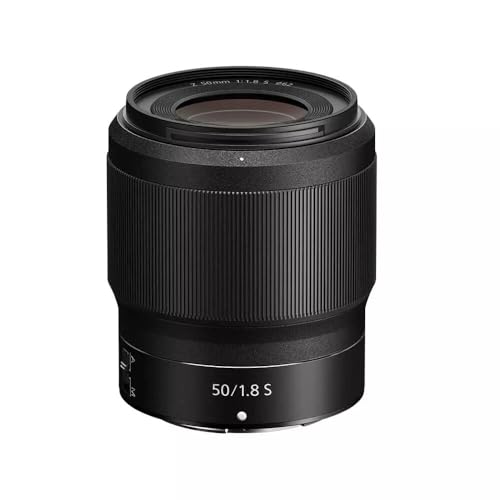
The broad midrange is approximately £400-£1,100. It includes lenses such as the 50 mm f/1.8 S, 85 mm f/1.8 S, 24–120 mm f/4 S, 14–30 mm f/4 S, 24–200 mm, 28–400 mm, and Z MC macro options. Prices move upward with a constant bright aperture, stronger sealing, more complex optical correction, faster focus hardware, or built-in VR.
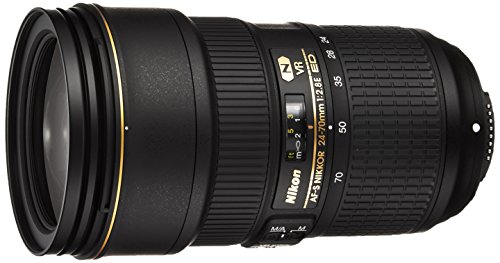
Professional f/2.8 zooms and fast S-Line primes commonly occupy roughly £1,600-£2,600. Examples include the 14–24 mm, 24–70 mm, and 70–200 mm f/2.8 S zooms, the 50 mm and 85 mm f/1.2 S primes, and the 135 mm f/1.8 Plena. Specialist long lenses then rise from around £2,600 to approximately £12,900, particularly when they combine fast apertures, extensive low-dispersion glass, VR, rugged construction, and built-in teleconverters.
F-mount pricing is less predictable because many designs are no longer part of Nikon's active new-lens strategy even when unopened stock remains. Compare warranty and actual compatibility rather than assuming an older high original price makes an F lens the better choice. Z-camera owners should also include the cost of an FTZ adapter when an F-mount lens is central to the plan.
What should you consider when choosing a Nikon camera lens?
Consider the following points while choosing a Nikon camera lens:
- Mount and autofocus compatibility: Match Nikon Z lenses to Z bodies and Nikon F lenses to compatible DSLRs or an FTZ adapter. AF-S and AF-P lenses generally retain autofocus on supported Z bodies through FTZ, whereas screw-drive AF and AF-D lenses normally become manual-focus; older bodies may also lack full support for AF-P or electronic-aperture E lenses.
- FX or DX coverage: An FX lens covers both full-frame and APS-C Nikon sensors, while a DX lens is designed for the smaller format and triggers a cropped image area on an FX body. Also account for the approximately 1.5× field-of-view crop on DX: a 24 mm lens frames like roughly 36 mm would on full frame, and a 200 mm lens gives the angle of view associated with about 300 mm.
- Focal length and working distance: Choose the range around the subject, not around the largest zoom ratio. A 14–30 mm suits expansive interiors and landscapes, 24–120 mm is a flexible everyday range, 70–200 mm supports events and portraits, and 400 mm or longer is specialist wildlife territory that demands more distance, support, and careful technique.
- Maximum aperture and carrying weight: An f/1.2 prime or f/2.8 zoom gathers more light and gives stronger background separation, but it is usually larger, heavier, and much more expensive than an f/1.8, f/4, or variable-aperture alternative. Compare the whole kit's weight and filter size, because a lens that stays at home has no optical advantage.
- Autofocus behavior and video needs: Check the focus-motor generation, acquisition speed, tracking consistency, noise, focus breathing, and whether manual-focus response can be configured. Quiet stepping or linear-type focusing and smooth aperture changes matter more for video than the headline still-photo sharpness score.
- VR, in-body stabilization, and support: Lens-based VR is especially useful on long lenses and on bodies without in-body stabilization, but it cannot freeze a moving athlete or bird. Confirm how lens VR and the camera's sensor stabilization cooperate, and check whether a heavy telephoto includes the tripod collar or support hardware your shooting method requires.
- Controls, accessories, and system longevity: Verify the presence of a focus limiter, control ring, function buttons, aperture ring, weather sealing, hood, tripod foot, teleconverter support, and the correct front or drop-in filter type where relevant. Prioritize current Z lenses for a new mirrorless kit; choose an F lens when its price or specialist capability clearly outweighs adapter handling and the greater compatibility risk of an aging system.