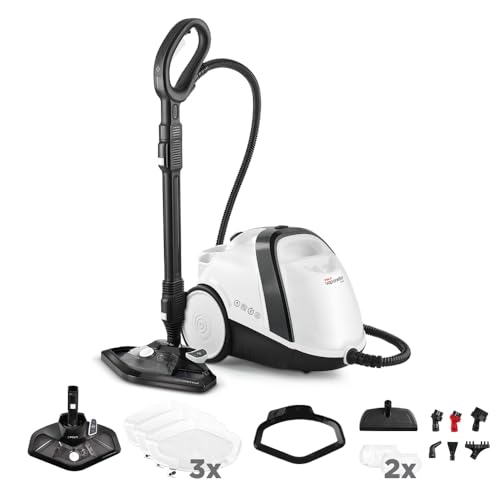
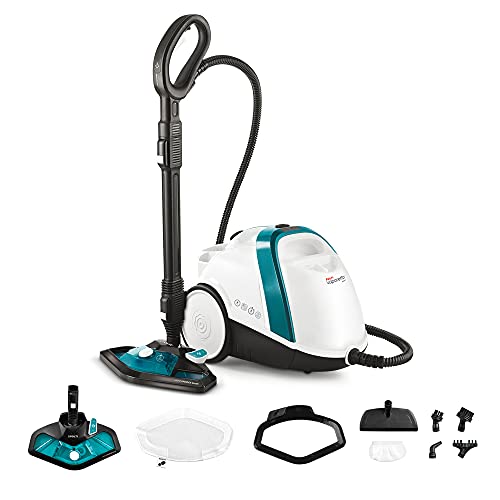
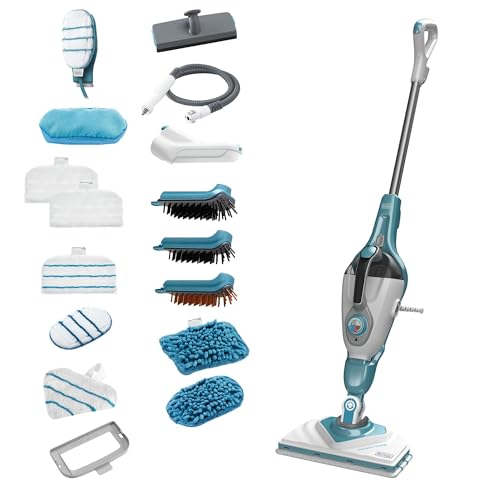
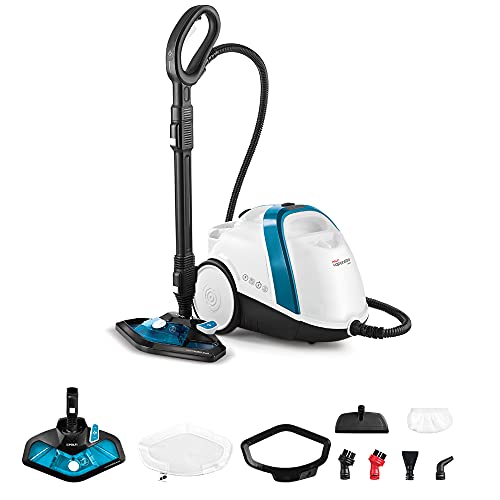
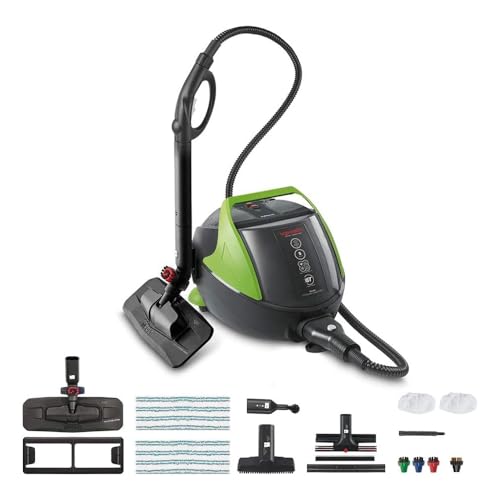
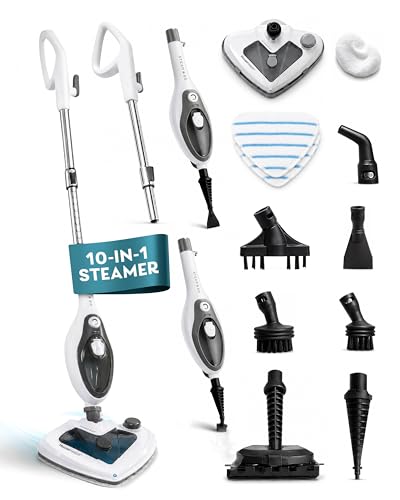
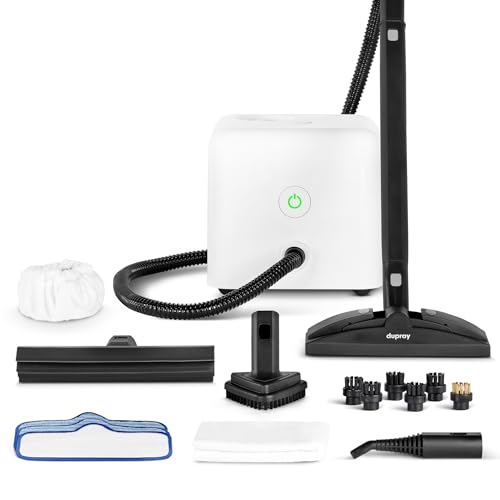
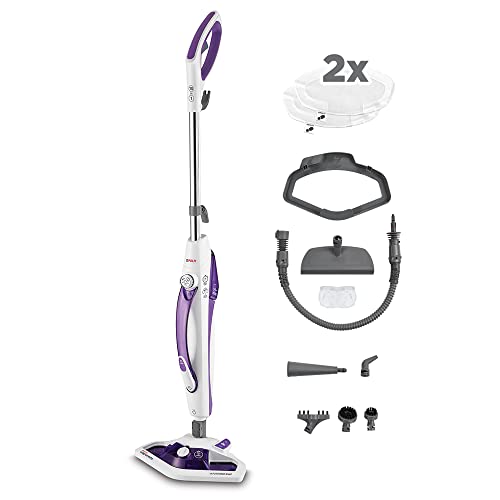
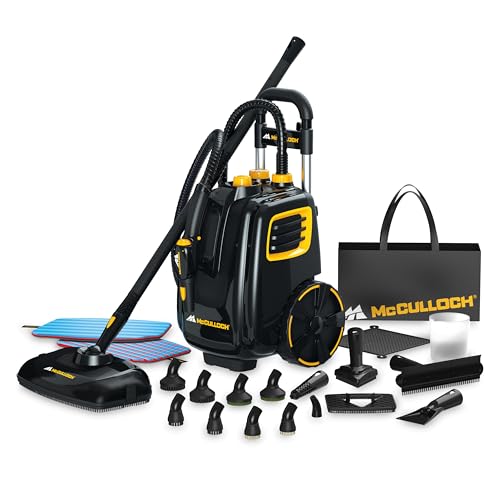
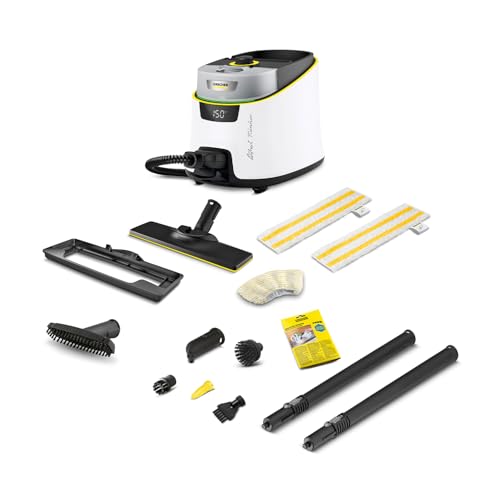
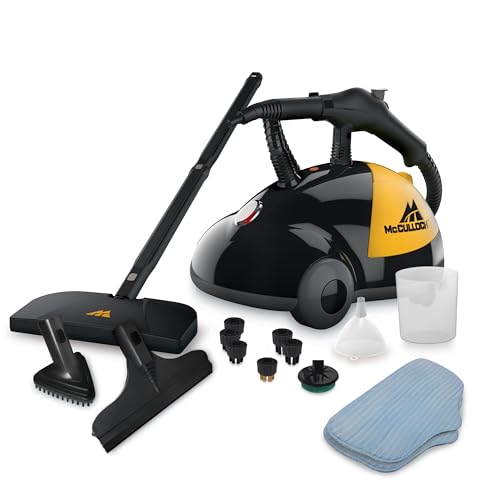
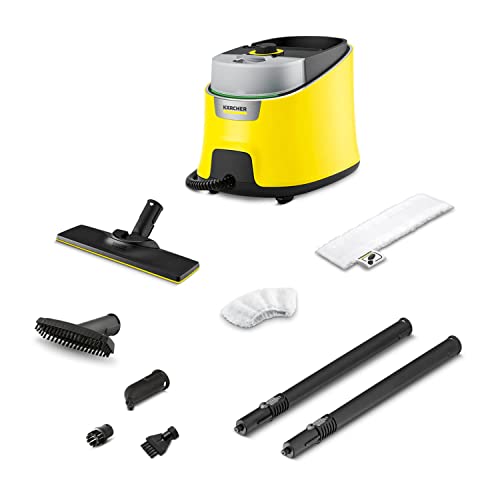
Which brands make the best steam cleaners?
The best steam cleaner brands by overall score are as follows:
- McCulloch (Average overall score: 8.3)
- Polti (Average overall score: 8.3)
- Dupray (Average overall score: 8.2)
The chart below compares steam cleaner brands by average overall score.
[horizontal-chart-13425778161684740680005134738734482881941662932445]
Which steam cleaner brands have the highest user ratings?
The steam cleaner brands with the highest user ratings are as follows:
- Shark (Average user rating: 9.1)
- McCulloch (Average user rating: 9)
- Karcher (Average user rating: 8.9)
The chart below compares steam cleaner brands by average user rating.
[horizontal-chart-14355170953257457285100765965004614407573394158199]
Which steam cleaner brands offer the best value for money?
The steam cleaner brands with the best value for money are as follows:
- McCulloch (Average value-for-money score: 8.7)
- Polti (Average value-for-money score: 8.6)
- Karcher (Average value-for-money score: 8.4)
The chart below compares steam cleaner brands by average value-for-money score.
[horizontal-chart-10826667492020771043051286219802857414830923610150]
Which steam cleaner types work best for different cleaning jobs?
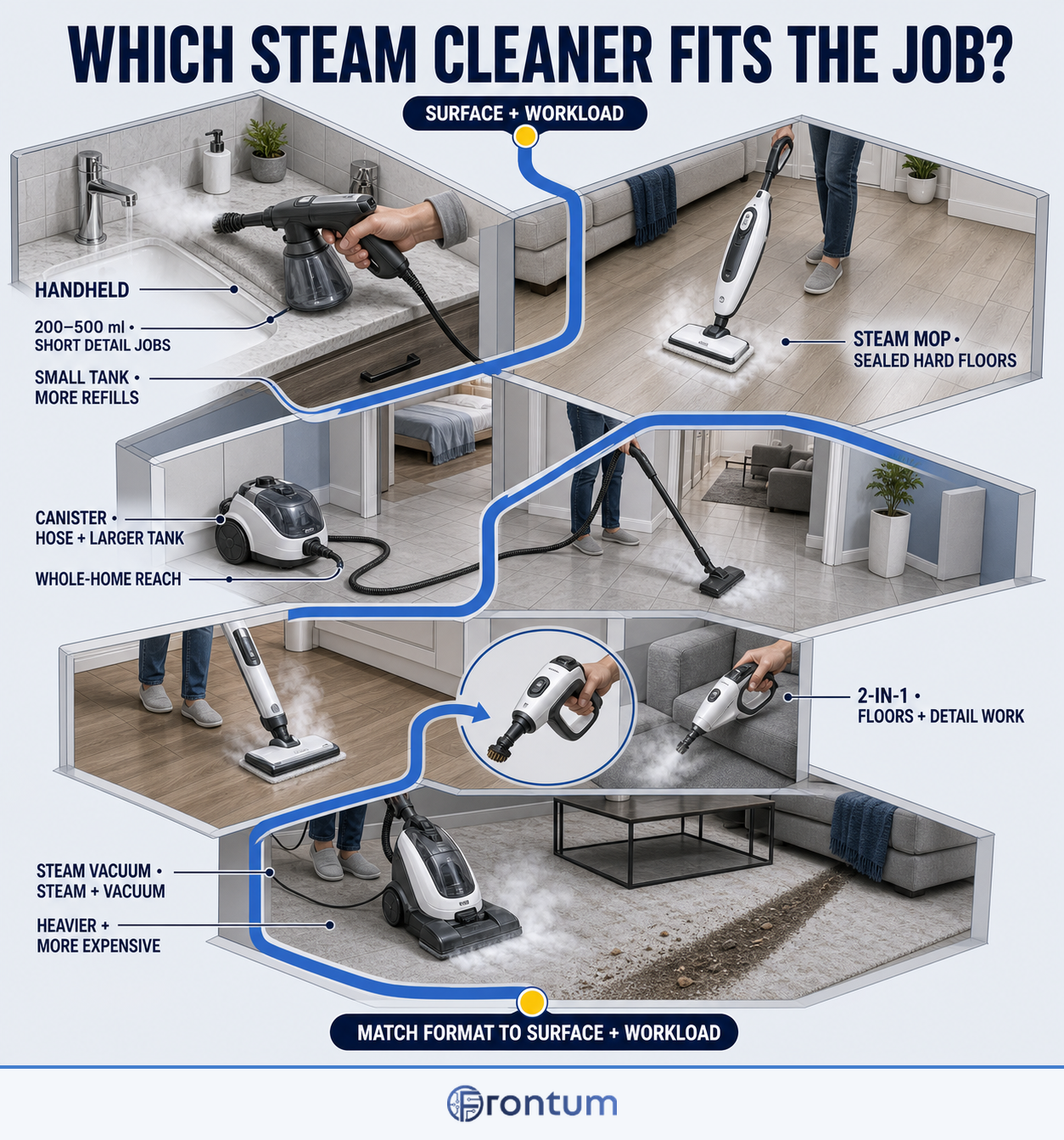
The main steam cleaner types are as follows:
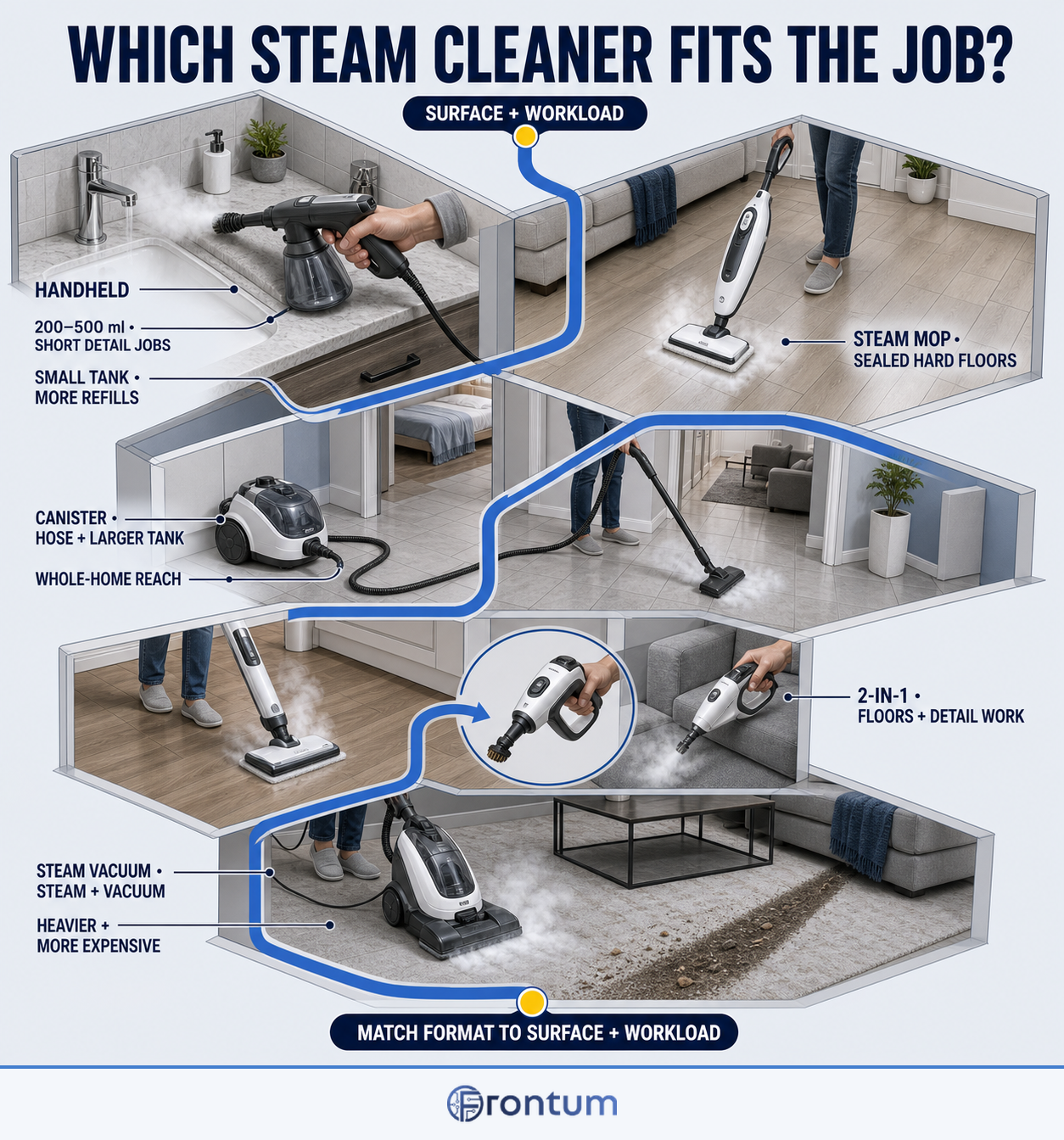
- Handheld steam cleaners: compact and quick for grout, taps, windows, worktops and car interiors. Their 200–500 ml tanks are convenient for short jobs but usually require refilling for a whole room.
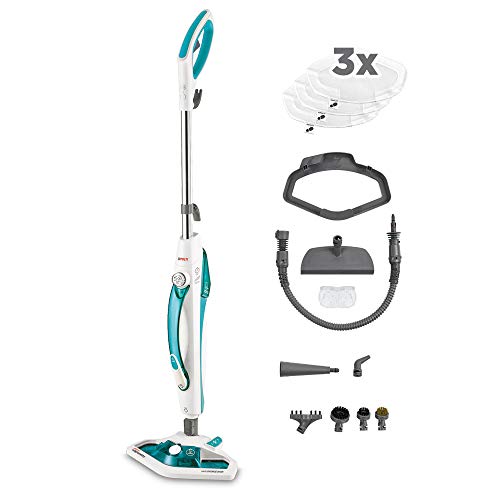
- Steam mops: designed for sealed hard floors and easy to move across larger areas. They are a poor fit for detailed grout, glass or upholstery work unless the head or body also converts to handheld use.
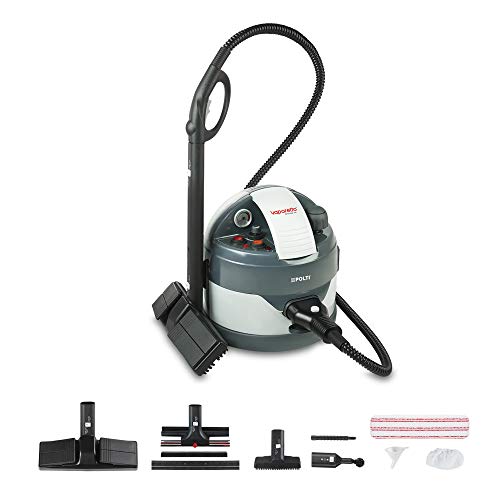
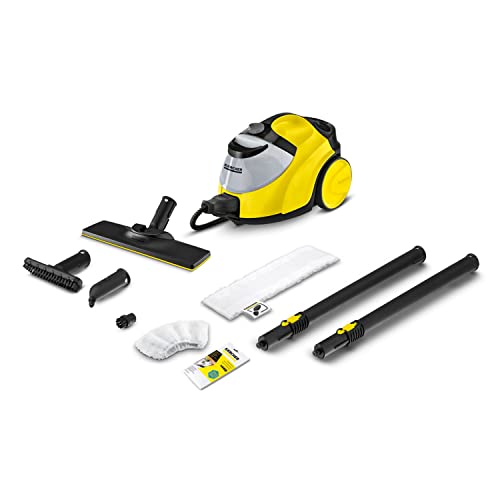
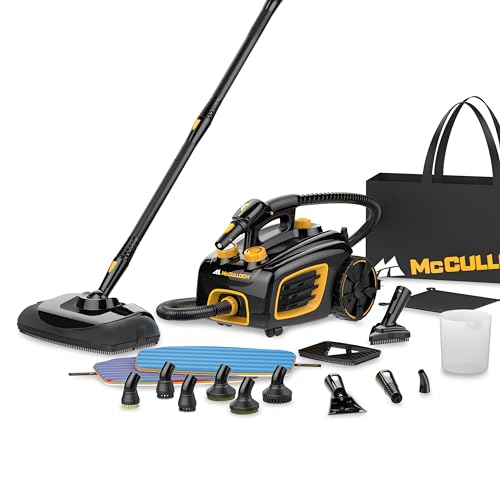
- Canister steam cleaners: use a hose and floor tools, giving better reach, larger tanks and more flexibility for whole-home cleaning. They are usually heavier to store and carry, but the larger reservoir and longer hose reduce interruptions.
- 2-in-1 models: combine a floor head with a detachable handheld unit. They suit buyers who want one machine for floors and detail work, although the handheld section may have less power or capacity than a dedicated canister cleaner.
- Steam vacuum cleaners: combine steam with vacuuming and may reduce the number of separate cleaning passes. They are generally heavier and more expensive, so they make most sense for frequent whole-home cleaning.
The chart below shows how steam cleaners are distributed across the main product types.
[pie-chart-03044710619258658295088239432742402311493282852900]
What steam pressure and heat-up time do the best steam cleaners have?
The best steam cleaners usually deliver about 3–5 bar of pressure. Around 3 bar is enough for routine grease, soap residue and grout when paired with a focused nozzle, while 4–5 bar provides more reserve for stubborn buildup and longer hose work.
Pressure is not the same as cleaning performance. A steady flow rate, close nozzle control and a suitable brush can matter more than a higher peak figure, and adjustable output is preferable for fabrics, painted surfaces and delicate finishes. Compare pressure only between machines that publish it under similar conditions.
Heat-up time commonly ranges from about 15 seconds to 8 minutes for consumer models. Handhelds and steam mops are often ready within 15–60 seconds; larger canisters may need 3–8 minutes but usually provide steadier output and longer sessions. For whole-home cleaning, refill design and pressure-recovery time matter more than the fastest initial start.
What tank size do the best steam cleaners have?
The best tank size depends on the area, the cleaner format and whether the machine can be refilled safely during a session. Compact handhelds commonly hold about 200–500 ml, enough for a sink, shower screen, worktop or several grout lines but often not a whole floor. Steam mops usually sit around 400–700 ml, while canister cleaners often hold about 1–2 litres and are more practical for several rooms or long hose work.
A larger tank reduces interruptions but adds weight, can lengthen heating time and may make a full machine harder to carry upstairs. A detachable tank is convenient at the sink. A true continuous-refill system uses a separate reservoir to feed the boiler, allowing water to be added without waiting for the pressurised vessel to cool; a single safety-cap boiler may require depressurising and a longer pause. A visible gauge and easy drainage make refills and storage simpler.
What surfaces can the best steam cleaners clean safely?
Steam cleaners can clean sealed, heat-resistant surfaces safely when used with the correct steam level, distance and accessory. The main suitable surfaces are as follows:
- Sealed hard floors: use a floor head and keep the mop moving rather than holding steam in one spot. Avoid steam on unsealed wood, waxed floors and damaged laminate where moisture can enter the surface.
- Tile and grout: use a jet nozzle or detail brush for joints, then wipe away loosened residue. Higher pressure can help with dark grout, but test the sealant and avoid forcing steam into cracked joints.
- Glass and mirrors: use a squeegee or low-moisture setting to reduce streaks. Keep the nozzle moving and avoid sudden heat on cold glass, which can cause thermal shock.
- Upholstery and fabrics: use a fabric tool and low steam only when the care label permits moisture and heat. Work in short passes and allow the material to dry fully so moisture is not trapped inside the padding.
- Kitchen and bathroom surfaces: steam can help with grease and soap residue on heat-resistant sealed surfaces. It does not replace descaling or disinfection instructions, and it should not be used on heat-sensitive plastics, unsealed stone or electrical parts.
What attachments matter most on the best steam cleaners?
The most useful attachments are the ones that match the surface and let you control how much heat and moisture reaches it. Consider the following tools:
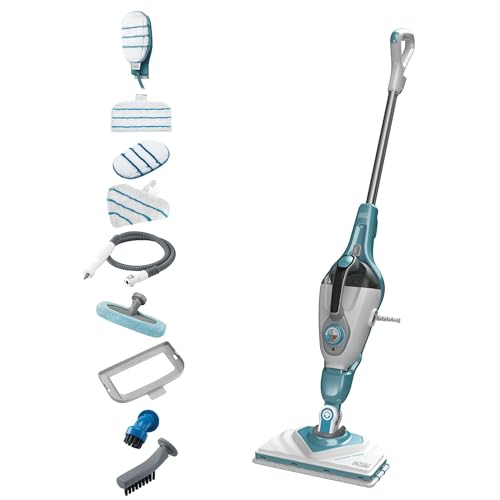
- Floor nozzle and extension tubes: cover larger sealed floors with less bending. A swivel head or flexible joint makes it easier to follow furniture edges and reach under cabinets.
- Jet nozzle and detail brushes: concentrate steam in grout lines, corners, taps and other narrow areas. Small nylon brushes suit general dirt, while a scraper or stiffer tool needs more care on polished or painted surfaces.
- Upholstery or fabric tool: spreads steam across fabric and helps reduce concentrated moisture. It is useful for sofas, curtains and car seats only when the material care label allows steam.
- Window squeegee: removes water from glass after steam loosens fingerprints and residue. It works best with short passes and a clean rubber edge to avoid leaving streaks.
- Scraper or grout tool: helps lift stubborn deposits from joints, hobs and hard bathroom surfaces. Use light pressure and test first because scraping can mark soft plastics, coatings or glossy finishes.
- Carpet glider: helps a compatible floor head move over low-pile carpet. It does not make every carpet steam-safe, so check the carpet manufacturer's cleaning instructions before use.
How much do the best steam cleaners cost?
The best steam cleaners for home use typically cost about £30-£430. Basic handheld cleaners and steam mops usually sit around £30-£90, versatile 2-in-1 or everyday canister models around £90-£300, and premium household systems around £300-£430. Specialist commercial machines generally start near £600 and can reach roughly £4,300.
Paying more usually buys a larger or continuously refillable tank, steadier steam output, a longer hose, stronger construction and a broader attachment set. For occasional grout, glass or kitchen jobs, a lower-cost machine can be enough; for several rooms or frequent use, prioritize working time, refill downtime, tool availability and replacement-pad or brush costs rather than headline power alone.
The chart below shows the price distribution of steam cleaners.
[vertical-chart-04226601851540149147054129451428865558244093625572]