
Which brands make the best steam cleaners for cars?
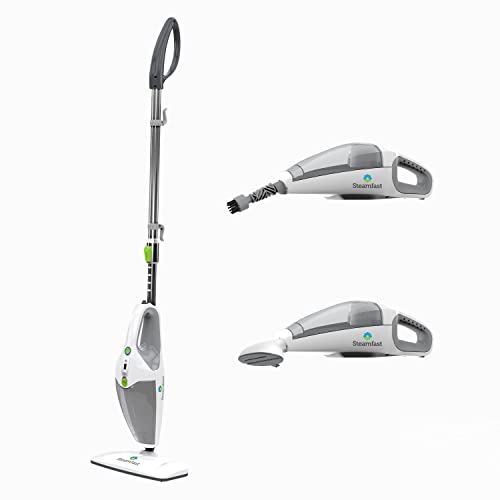
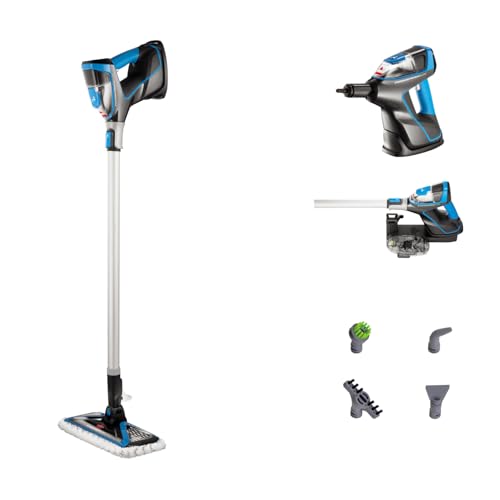
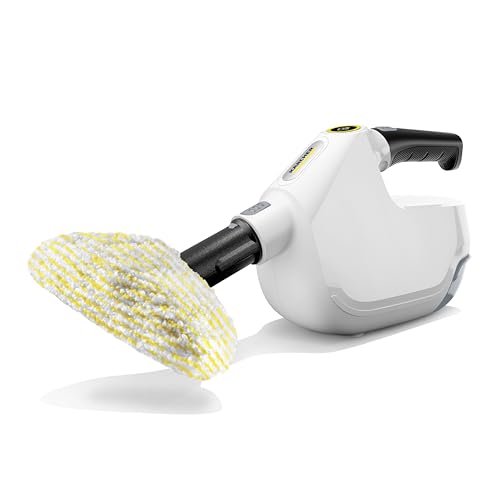
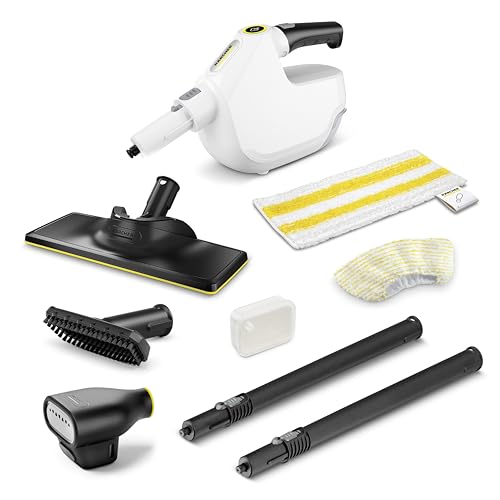
The car steam-cleaner brands worth comparing are as follows:
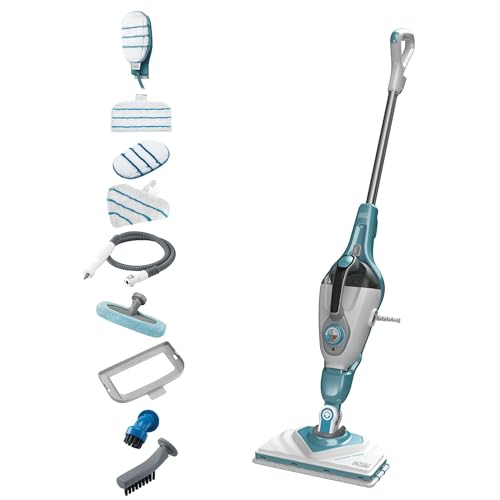
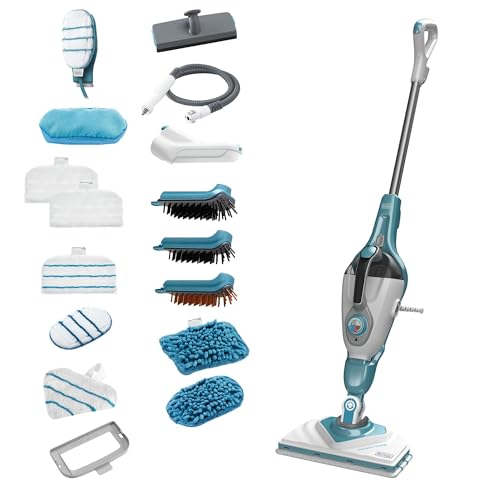
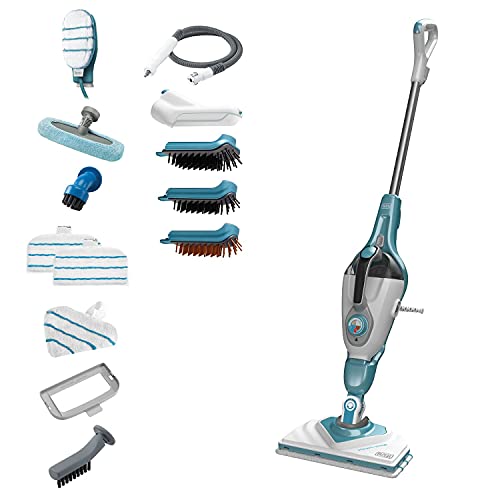
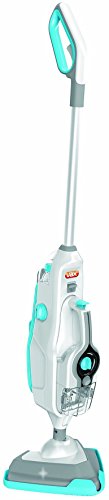
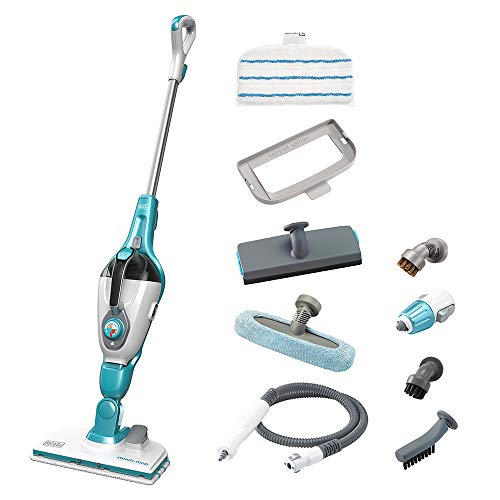
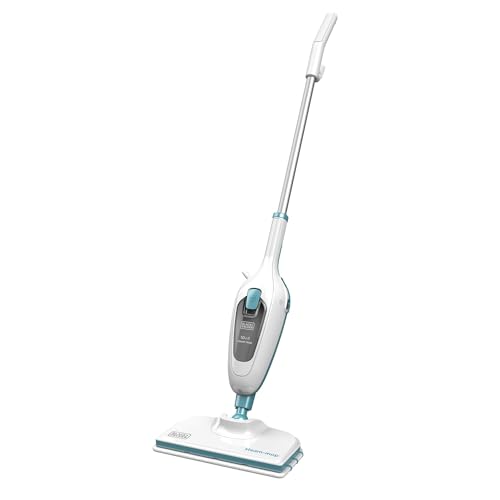
- Black+Decker: Black+Decker offers compact handheld and 2-in-1 formats with fabric tools and quick preparation, which suit occasional seat, mat and trim work. Small tanks keep the units easy to move but make them less convenient for repeated full interiors.
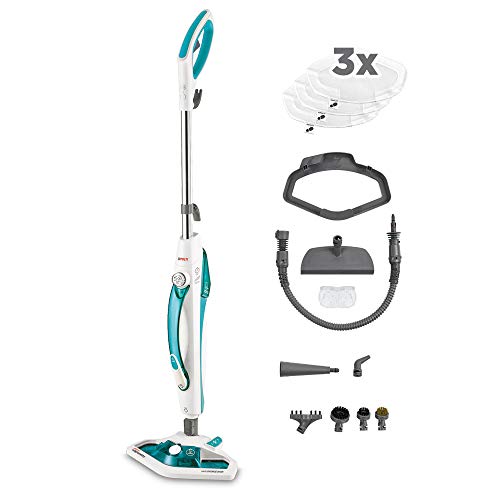
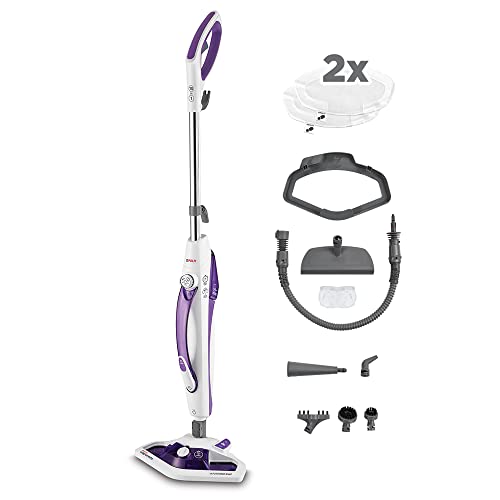
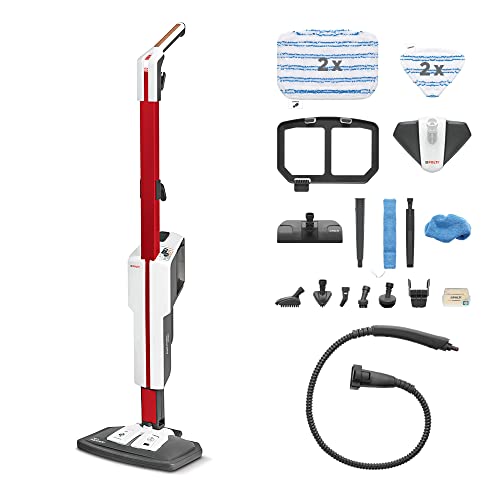
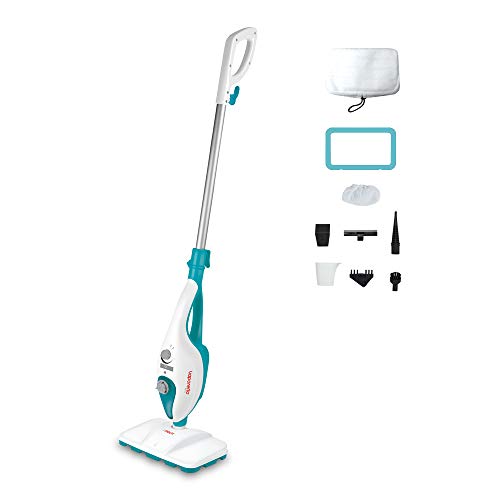
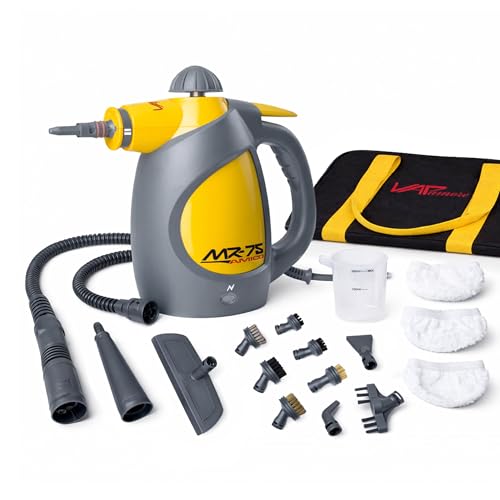
- Polti: Polti models provide a broad attachment ecosystem and controlled steam for owners who also clean household surfaces. They can offer more working flexibility than a basic handheld, although the larger body and accessory set need more space beside the vehicle.
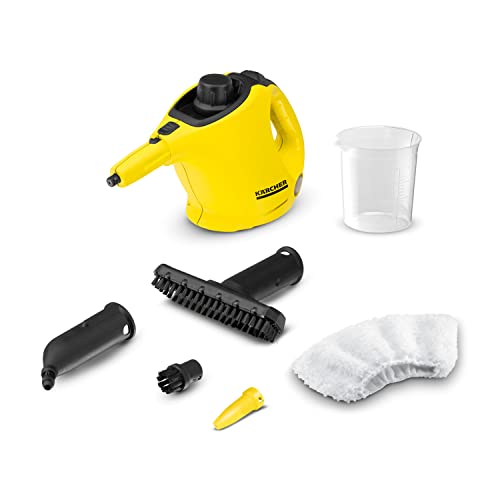
- Karcher: Karcher combines robust steam systems with readily available nozzles, brushes and fabric accessories across several formats. Buyers should confirm that the exact upholstery tool is included, because a hard-surface kit alone is not enough for seats or carpets.
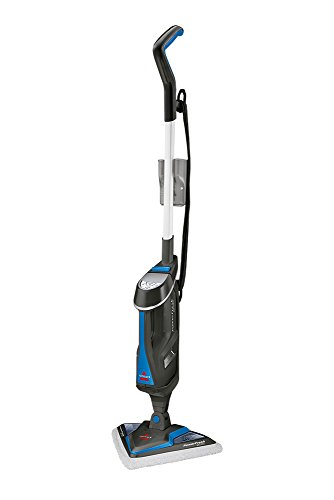
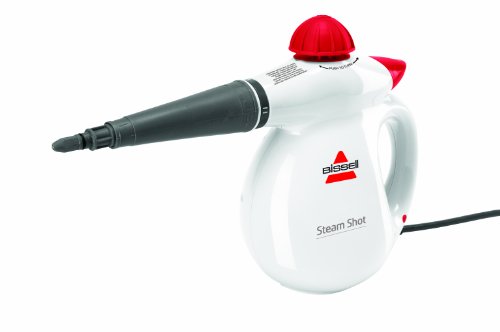
- Bissell: Bissell's car-suitable options emphasise compact handling and multi-surface cleaning for light domestic use. They are practical when ease of storage matters, but tank size, cord reach and replacement fabric covers should be checked for a complete cabin.
What makes a steam cleaner suitable for car cleaning?
A steam cleaner is suitable for car cleaning when each interior material permits heat and moisture, the machine has controlled output and a fabric tool, and steam can be kept away from electronics. Test a hidden area, vacuum loose dirt and do not treat displays, switches, speakers, ports, wiring, airbag seams, headliners or bonded trim without explicit approval.
Use short moving passes, then collect loosened residue with a clean cloth instead of allowing dirty water to run into gaps. Leave the doors open until seats, carpets, mats and any foam beneath them are completely dry; a surface that feels dry can still retain moisture deeper in the cushion.
A 200–500 ml handheld is convenient for a few seats or trim areas, while a hose-fed or 2-in-1 design is easier for a complete cabin if the base remains stable outside. Steam can refresh compatible fabric and hard trim, but it cannot repair damaged finishes or replace extraction cleaning for deeply soiled or soaked carpet.
Which features matter most for car cleaning?
The most important car-cleaning features are as follows:
- Fabric tool and cover: A broad covered head spreads steam across compatible seats and mats and catches loosened residue. The cover should be washable and replaceable; reserve a bare jet for approved hard crevices, not foam-backed fabric or delicate trim.
- Steam control: An on-demand trigger or several output levels helps limit moisture around seams, plastics and mixed materials. Start low and use brief moving passes, because the useful car cleaner is one that stops immediately rather than continuing to wet the surface.
- Tank and heat-up: A 200–500 ml tank matches most compact car-suitable models and is enough for targeted work, while a full cabin may require a refill. Heat-up around 15–60 seconds is convenient, but easy safe refilling matters more if the tank is at the lower end of the range.
- Weight and reach: About 1–2 kg is comfortable for manoeuvring between seats; heavier 2-in-1 units are easier when their base can remain outside the vehicle. Look for roughly 5–8 m of cord reach or a hose arrangement that covers the cabin without balancing a hot machine on a sill.
- Detail tools: A nylon brush, crevice nozzle and small squeegee can cover approved hard trim, cupholders and glass, while the fabric tool handles seats and mats. Avoid metal brushes on gloss plastic, coated controls, leather and soft finishes.
- Condensation and safety: A ready indicator and a simple purge routine reduce the wet burst that can emerge from a cold nozzle or hose. Insulated controls, a secure cap and a stable parking position are important when the machine is used around paintwork, cables and open doors.
How much do steam cleaners for cars cost?
Steam cleaners for cars generally cost about £40-£340. Basic handheld models around £40-£90 suit spot work on compatible mats, trim and a few fabric areas when they include a fabric tool. Models around £90-£220 more often add better steam control, a hose, larger tank or broader accessory set, while £220-£340 systems can provide longer reach and working time for repeated interiors.
The most expensive option is not automatically safest for a car: excess heat and moisture can damage trim or leave seats damp. Compare the fabric attachment, output control, cable or hose reach, drying implications and replacement pads before paying for pressure or tank capacity that you will use only occasionally.
The following chart shows how prices are distributed across steam cleaners for cars.
[vertical-chart-08597139932584352019068959869667291893453459032656]
What else should you consider when choosing a steam cleaner for cars?
Consider the following when choosing a steam cleaner for cars:
- Interior materials: Identify seat fabric, carpet, leather, faux leather, plastics, gloss trim and headliner separately. Follow vehicle and material instructions and test a hidden patch; a car-suitable claim does not make every surface inside the cabin safe for steam.
- Electronics and bonded areas: Keep steam away from displays, switches, speakers, charging ports, wiring, airbag seams and gaps where water can reach electronics. Headliners and wrapped trim often rely on adhesive, so treat them only with explicit manufacturer approval.
- Machine format: A 1–2 kg handheld is easiest between seats, while a 2-in-1 model can provide more reach if its base remains stable outside the car. Check whether the tool, hose and cord let you reach the centre console and rear footwells without resting hot equipment on paint or upholstery.
- Tank and session length: A 200–500 ml tank suits spot cleaning and a few seats; a full interior may need a refill, especially when mats and door panels are included. Compare usable steam time at the low setting and make sure the refill procedure does not require opening a pressurised tank.
- Attachments and control: Require a covered fabric tool, adjustable output or a trigger, plus nylon detail tools for approved hard surfaces. A concentrated jet and stiff brush may clean a crevice quickly but can mark coated plastics, leather or foam-backed fabric.
- Technique and drying: Vacuum first, work in short sections and wipe away loosened residue rather than letting dirty moisture run into gaps. Leave doors open and use airflow until seats, carpets and foam are dry throughout before closing or returning the vehicle to service.
- Cleaning limits and upkeep: Steam can refresh compatible trim and loosen surface grime, but it does not extract deeply embedded dirt or correct dye transfer and damaged finishes. Wash fabric covers, rinse tools, empty the tank and descale as directed so residue is not transferred to the next interior.