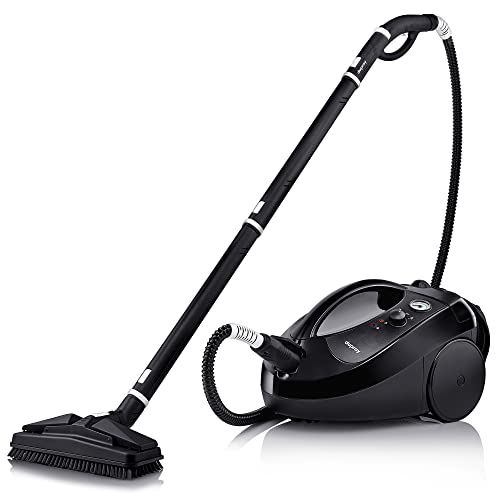
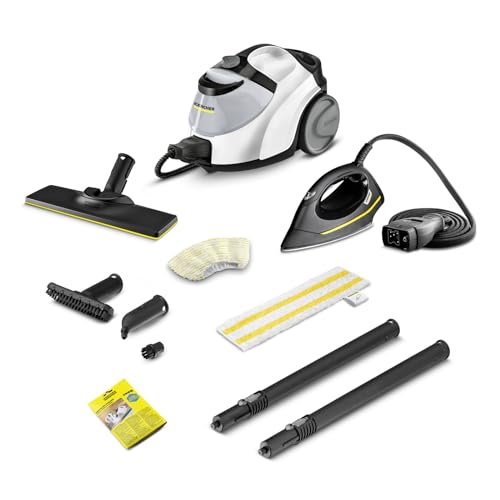
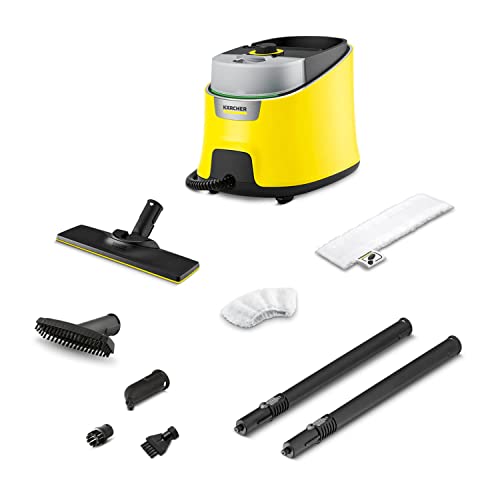
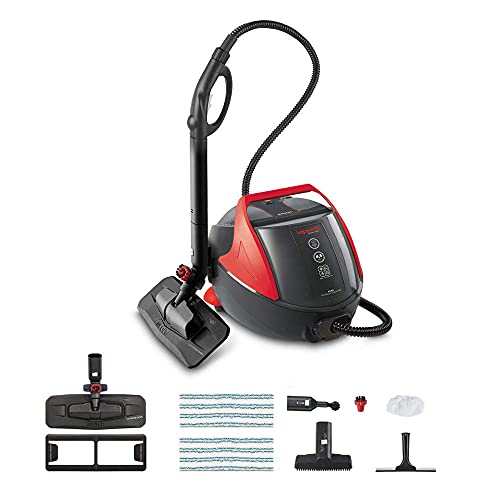
Which brands make the best steam cleaners for upholstery?
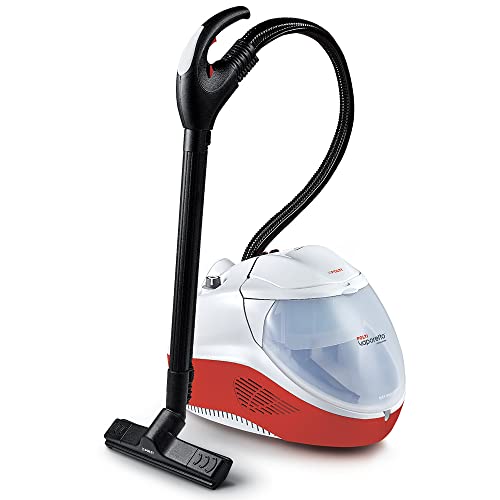
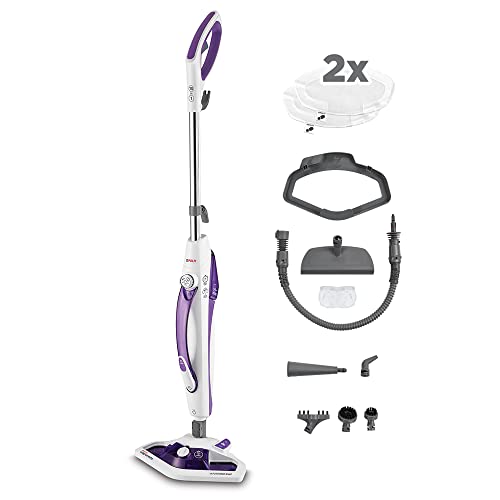
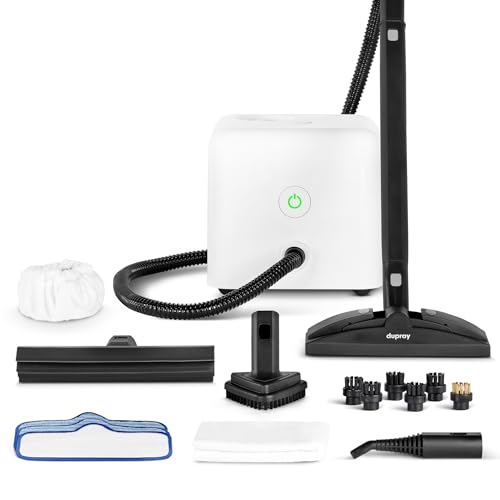
The best steam cleaner brands for upholstery by overall score are as follows:
- McCulloch (Average overall score: 8.3)
- Polti (Average overall score: 8.3)
- Dupray (Average overall score: 8.2)
The chart below ranks steam cleaner brands for upholstery by their overall scores.
[horizontal-chart-04958721491684791015113539384542464690583090513473]
What makes a steam cleaner safe for upholstery?
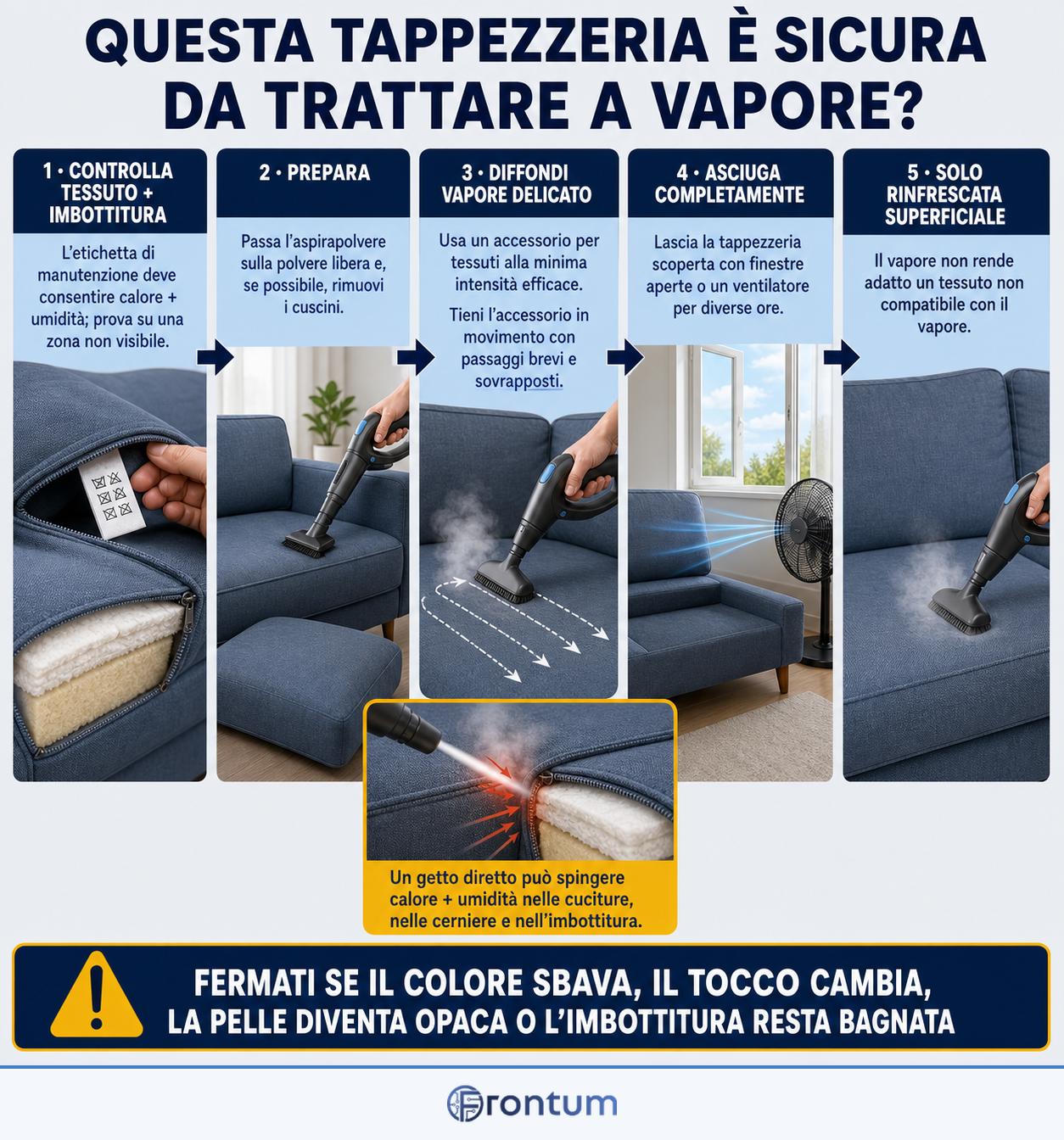
A steam cleaner is safe for upholstery only when the specific fabric and filling tolerate heat and moisture and the cleaner can apply steam gently through a fabric tool. Start with the care label, vacuum loose dirt first, test an inconspicuous patch and use the lowest effective output with short overlapping passes. Keep the head moving, do not force steam into seams, zips or buttons, and never use a bare jet nozzle on a delicate cover.
Drying is part of safe use: remove cushions where possible, open windows or use a fan, and leave the upholstery uncovered until it is completely dry, often for several hours. Stop if the colour bleeds, the nap changes, leather becomes dull or the padding remains wet. Steam can refresh a compatible surface, but it cannot make a non-steam-safe fabric suitable.

Which features matter most for upholstery cleaning?
The most important upholstery-cleaning features are as follows:
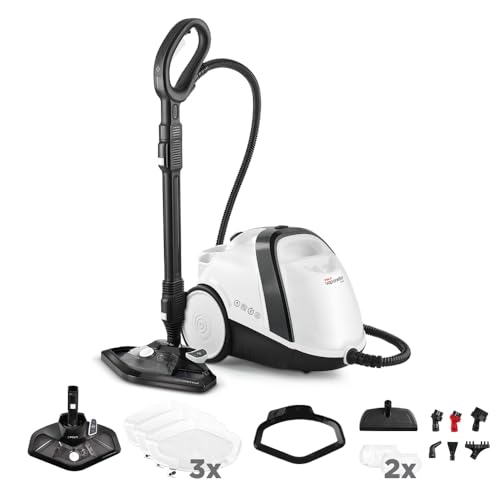
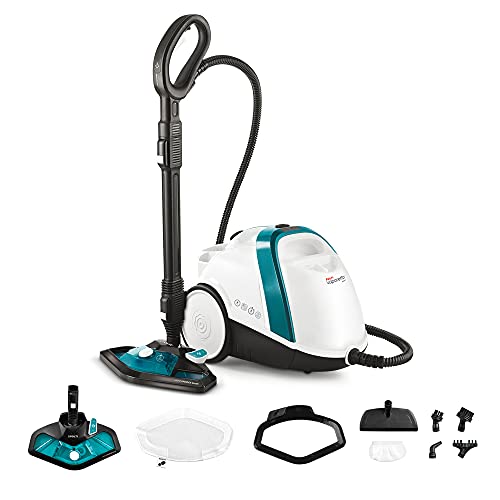
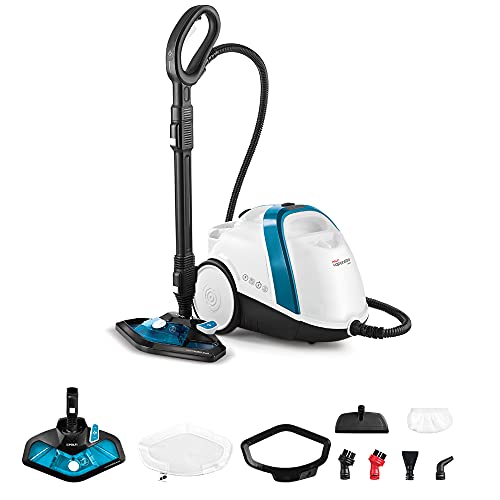
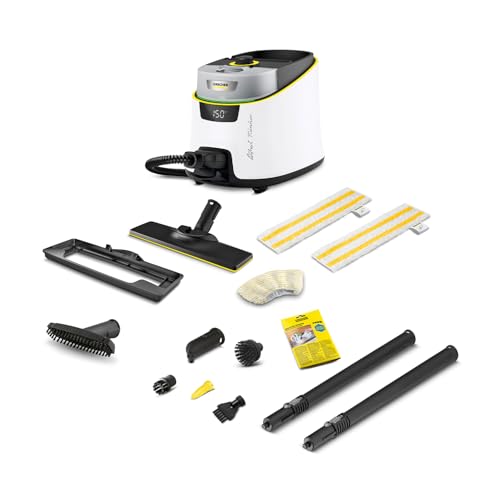
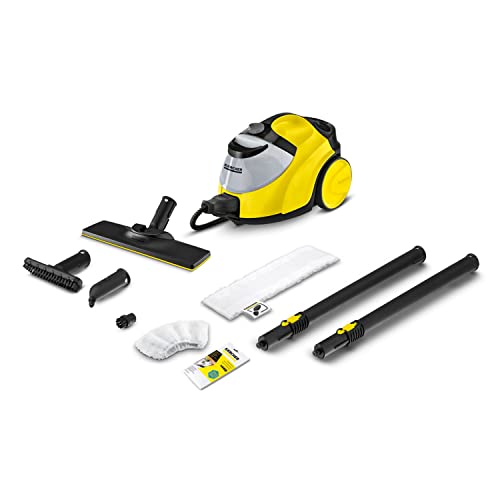
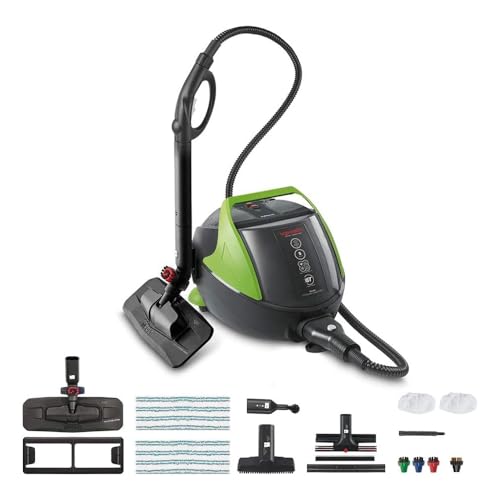
- Upholstery head and washable cover: A broad fabric tool spreads steam over a wider contact area and the cloth cover collects loosened residue. Check that the head can follow cushion curves without exposing a hard edge and that several replacement covers are available for a full suite.
- Adjustable output and on-demand trigger: Low settings and short trigger-controlled bursts make moisture easier to manage on compatible fabrics. Maximum pressure is not the goal: the useful machine is the one that stops cleanly when you release the control and does not continue wetting a seam.
- Condensation management: A ready indicator and stable steam reduce the chance of the first pass releasing a wet slug from a cold hose. The cleaner should be easy to purge into a sink or towel before touching upholstery and should not spit water whenever the boiler cycles.
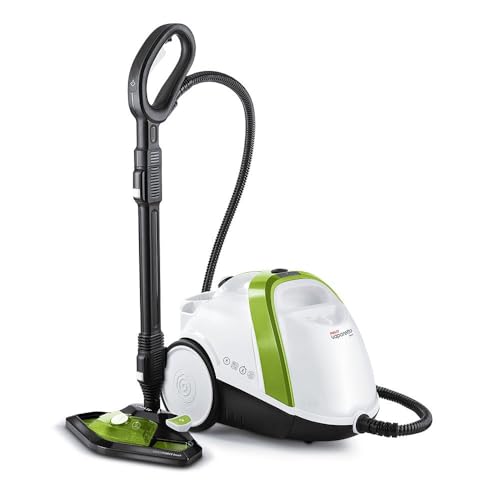
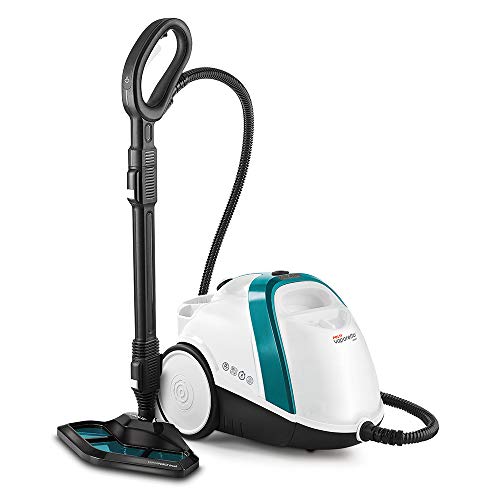
- Hose and handling: A hose around 1.5–2 m lets the base stay on the floor while you reach sofa backs, arms and separate cushions. A 1–2 kg handheld is convenient for one chair, but a canister is often less tiring for several pieces if it has wheels and a stable base.
- Tank and refill design: A 200–500 ml tank is adequate for a few cushions, while roughly 1 litre or continuous refill reduces interruptions across a large sofa or multiple chairs. Check cool-down requirements before refilling a sealed boiler, because nominal capacity alone does not reveal the real break between sessions.
How much do steam cleaners for upholstery cost?
Steam cleaners suitable for upholstery generally cost about £40-£430. Handheld models around £40-£130 can refresh a chair or small sofa when they include a real fabric tool and adjustable output.
Canister models around £130-£300 usually add a hose, larger tank and steadier steam, while better-equipped domestic systems can reach about £430. The extra capacity is useful for several pieces of furniture but does not make delicate fabric safer.
Prioritise the upholstery head, trigger response, condensation control and reach. A modest cleaner with the correct covered tool can outperform a more powerful jet-only model for this task, and spare covers or a separately sold fabric attachment should be included in the total cost.
The chart below shows the price distribution of steam cleaners suitable for upholstery.
[vertical-chart-01068173323030700421048810865368477810152632479048]
What else should you consider when choosing a steam cleaner for upholstery?
Consider the following when choosing a steam cleaner for upholstery:
- Cover and filling: Confirm that both the visible fabric and the padding or backing tolerate heat and moisture. Leather, faux leather, velvet, wool, waterproof coatings and glued layers can react differently, so follow the care label and test a hidden patch rather than relying only on a general fabric claim.
- Tool and steam level: Use a broad covered upholstery head, an on-demand trigger and the lowest effective setting. A bare jet can mark fabric or drive moisture into seams; make one moving pass and inspect the result before adding more steam.
- Moisture and drying: Thick cushions may remain damp for several hours even when the surface soon feels dry. Separate removable cushions, ventilate with open windows or a fan and do not use or cover the furniture until seams and padding are completely dry.
- Reach and weight: A 1–2 kg handheld is easy for a chair or a few cushions, whereas a hose around 1.5–2 m keeps a canister safely on the floor during a complete sofa. Consider wrist angle, tool weight and access behind cushions, not just the weight of the empty machine.
- Tank and workload: A 200–500 ml tank suits occasional upholstery work; roughly 1 litre or continuous refill is more practical for several chairs or a large sectional. Compare usable steam time and the safe refill delay, because a sealed boiler may require cooling between tanks.
- Cleaning limit: Steam can refresh compatible surfaces and loosen light grime, but it does not extract dissolved dirt from foam or remove every stain. Heavily soiled padding, dye transfer, mould or contamination needs a care-label-approved extraction method or professional cleaning.
- Hygiene and upkeep: Vacuum before steaming, use a clean cover on each distinct item and wash covers after the job so residue is not transferred. Purge condensation before contact, descale the boiler as directed and dry the hose and tools before storage.